
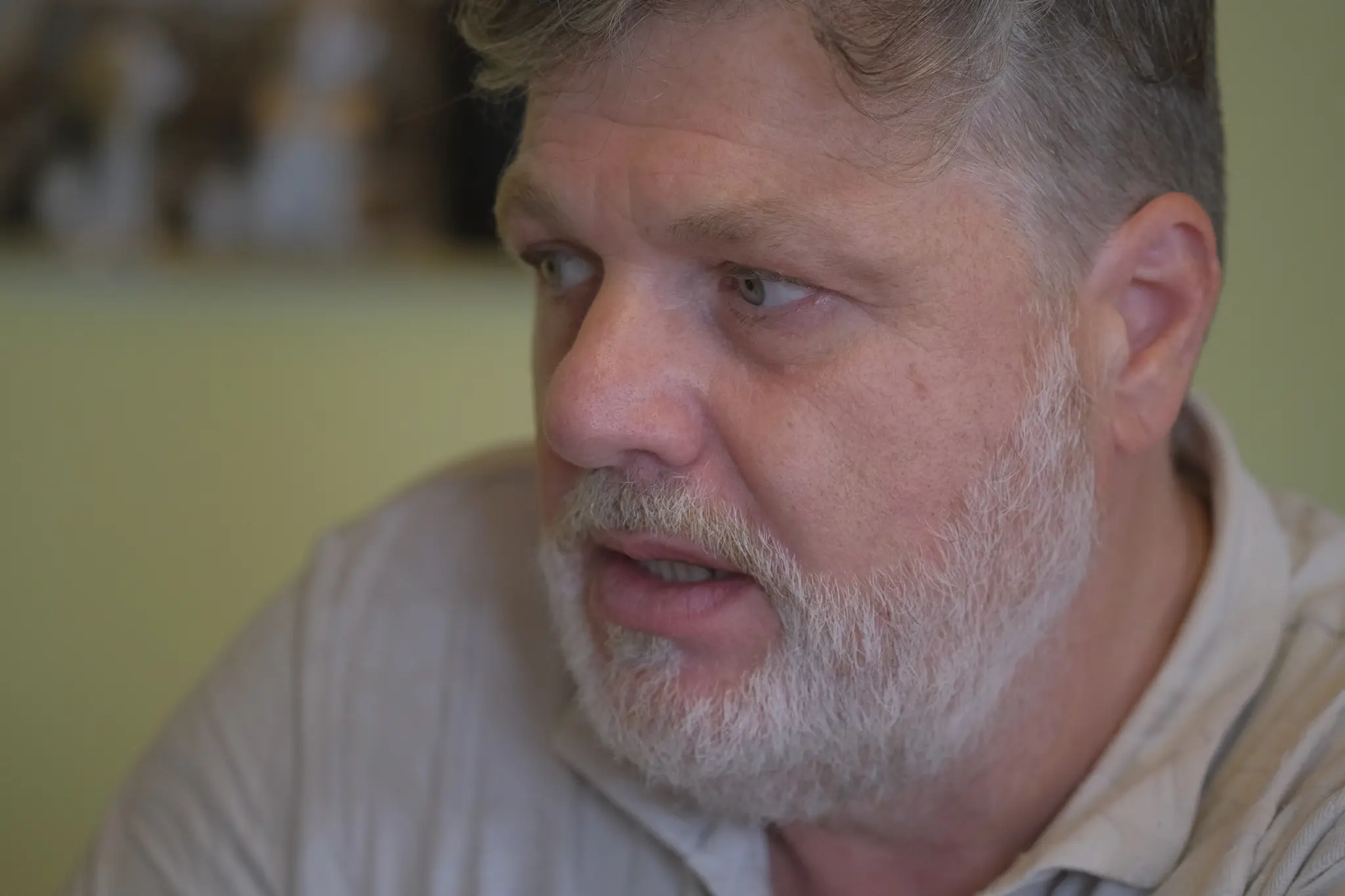
Markus Neumüller, a former emergency responder who assisted in Thailand following the 2004 Indian Ocean tsunami, is currently seeking medical and social support in Neunkirchen, Austria, while managing a diagnosis of Long COVID. The case highlights the ongoing challenges faced by individuals navigating post-viral syndromes and the complexities of the Austrian social security and disability representation systems.
The Impact of Long COVID on Emergency Personnel
For many professionals who spent their careers in high-stress environments, the onset of chronic illness presents a sudden and difficult transition. Markus Neumüller’s professional background includes deployment as a disaster relief worker, where he provided support to victims of the 2004 tsunami in Thailand. Today, his primary challenge is managing the persistent, debilitating symptoms associated with Long COVID. According to the World Health Organization, Post-COVID-19 condition occurs in individuals with a history of probable or confirmed SARS-CoV-2 infection, usually three months from the onset of COVID-19, with symptoms that last for at least two months and cannot be explained by an alternative diagnosis.


The transition from an active, service-oriented life to one defined by chronic fatigue, cognitive impairment, and physical limitations has led Neumüller to seek formal assistance. In the Austrian context, individuals struggling to manage the bureaucratic requirements of health insurance and pension providers often require legal or social representation to ensure their rights are upheld. This process, often referred to as seeking an “Erwachsenenvertreter” (adult representative), involves a legal framework designed to support those who are temporarily or permanently unable to manage their own affairs due to health conditions.
Navigating the Austrian Healthcare and Support System
The request for an adult representative is a formal legal procedure in Austria, governed by the Austrian Federal Ministry of Justice. This system is intended to provide protection and support for adults who are unable to handle specific legal or medical matters independently. For patients like Neumüller, who are dealing with the fluctuating nature of Long COVID, the administrative burden of filing for disability or requesting medical accommodations can exacerbate existing health issues.
The clinical understanding of Long COVID continues to evolve. In Austria, the Federal Ministry of Social Affairs, Health, Care and Consumer Protection has established guidelines for the treatment and management of post-viral conditions. However, many patients report that securing long-term support remains a significant hurdle. Neumüller’s situation underscores the necessity for more robust pathways for emergency responders and frontline workers who contract chronic illnesses in the line of duty or during their daily lives, ensuring they receive the specialized care they require.
Challenges in Long-Term Care
Medical experts emphasize that Long COVID is a multisystem disease. Research published by the Nature Reviews Microbiology journal notes that the condition can affect multiple organ systems, leading to a wide array of symptoms, including cardiovascular issues, neurological deficits, and severe fatigue. For patients, the lack of a singular, universally effective treatment protocol often results in a fragmented experience as they move between general practitioners, specialists, and rehabilitation centers.

In Neunkirchen, as in many other regions, the availability of specialized clinics for post-acute infection syndromes is a critical factor in patient outcomes. Neumüller’s search for help reflects a broader trend of individuals advocating for better recognition of Long COVID as a legitimate cause for long-term disability support. The legal and medical community in Austria continues to adjust its policies to better accommodate the needs of these patients, though the process remains slow and often requires significant personal effort from the affected individuals.
Next Steps for Patients Seeking Support
For those currently navigating similar health and administrative challenges, the Austrian legal system provides specific resources. The Austrian Association for Adult Representation offers guidance on how to apply for support and what documentation is required to initiate the process. It is advised that patients maintain comprehensive records of their medical history, including diagnostic tests and physician assessments, to support their applications for assistance.
As the situation for Markus Neumüller develops, the focus remains on securing the necessary social and medical representation to stabilize his care. Further updates regarding his case are expected as local social services review the requirements for his support application. Readers are encouraged to stay informed on the evolving policies regarding disability and health support in Austria through official government portals.
If you have information or personal experiences regarding the support systems for chronic illness in Lower Austria, please share your thoughts in the comments section below.