

Apple has begun accelerating the release of security patches to address a shrinking window between the discovery of software vulnerabilities and their exploitation by AI-augmented cyberattacks. The company, which historically followed a more predictable cadence for software updates, is now prioritizing rapid deployment to mitigate risks posed by automated tools that can identify and weaponize flaws faster than human-led security teams can respond. While Apple has confirmed it has no evidence that recent vulnerabilities were actively exploited before patches were issued, the shift reflects a broader industry recognition that the time elapsed between a patch’s release and its application by end-users—often called the “patch gap”—has become a primary attack surface for malicious actors.
The security landscape is currently defined by the speed at which artificial intelligence can be leveraged to probe for system weaknesses. According to industry analysis, AI systems allow attackers to identify vulnerabilities across massive datasets, effectively scaling their efforts to scan for unpatched devices across global networks. This capability creates a significant risk for organizations that rely on traditional, cautious deployment schedules for system upgrades. In regulated industries or large enterprise environments, the practice of delaying updates to test for compatibility issues is increasingly being viewed as a liability rather than a prudent security measure. This “lag” in deployment creates a window of opportunity for attackers using AI to identify and target systems that remain vulnerable.
The Vulnerability of Legacy Infrastructure
Beyond the speed of software deployment, the reliance on legacy hardware presents a structural challenge for enterprise security. Devices that no longer receive official support or security updates cannot be protected against modern, AI-driven threats, making them attractive targets for cybercriminals. The scale of this issue is significant; recent market data estimates that approximately 35% of U.S. business systems continue to run on Windows 10, an operating system nearing its end-of-support lifecycle, which highlights the pervasive nature of outdated technology in corporate environments. Organizations that fail to replace or modernize these endpoints face an elevated risk of intrusion, as these devices often lack the architecture required to defend against contemporary exploit techniques.
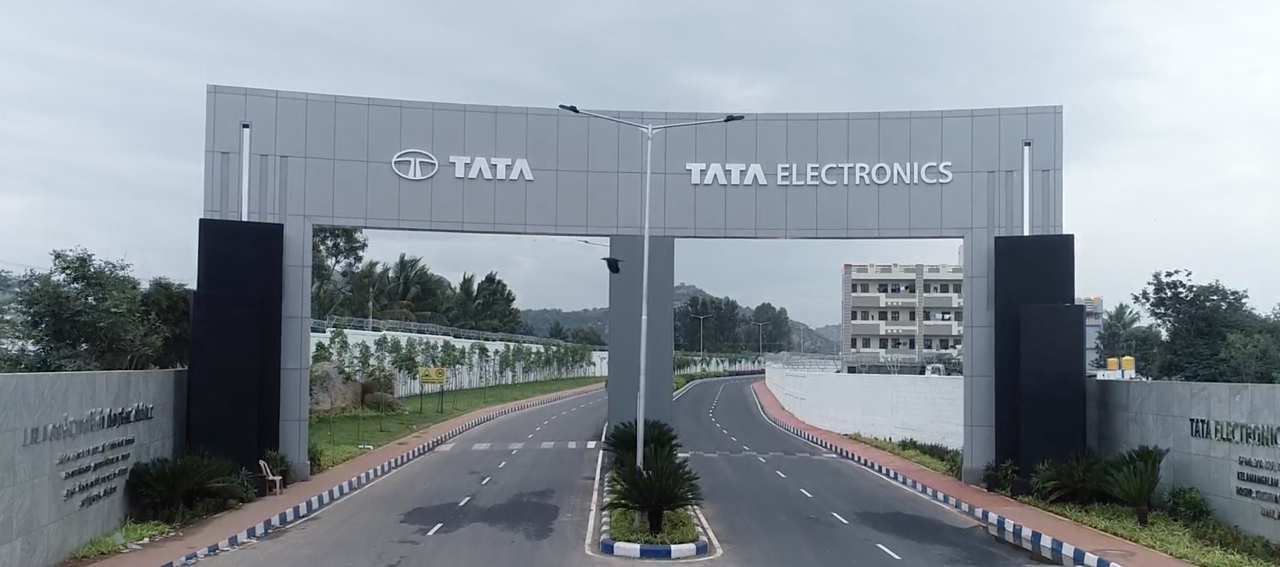
Manufacturing has emerged as a particularly high-risk sector in this climate. The industry often operates on thin margins, which can limit the budget available for IT modernization, and it frequently relies on sprawling, complex supplier networks that may have inconsistent security standards. This combination of structural vulnerabilities—legacy infrastructure, fragmented security postures, and cost constraints—makes manufacturing a primary target for sophisticated attackers. The recent data breach reported at Tata Electronics’ iPhone manufacturing facility in India serves as a stark reminder of the stakes involved, where confidential information can be compromised due to gaps in the security perimeter.
Rethinking Security Policies for a Fast-Moving Environment
For IT departments, the current environment necessitates a fundamental shift in the “old playbook” of security management. The reliance on slow, deliberate update cycles is being replaced by a requirement for swift, automated deployment of security patches to minimize the window of exposure. This change is not limited to software updates; it involves a more rigorous audit of the entire hardware lifecycle. As AI continues to lower the barrier to entry for cyberattacks, the ability to rapidly identify, isolate, or retire unsupported hardware has become a critical component of institutional security.
The challenge extends to platform providers, who face growing pressure to extend security support windows for older hardware. While manufacturers like Apple face the task of securing an immense endpoint perimeter against a diverse range of threats—including state-sponsored entities targeting platform integrity—there is an emerging consensus that the responsibility for security is shared. Regulators are increasingly expected to review and potentially update best-practice guidelines to account for the speed at which AI-driven threats can move, moving away from models that favor long testing periods over rapid remediation.
The Path Forward for Security Professionals
As the industry moves toward a more agile security posture, the immediate focus for businesses and individual users remains the timely application of security updates. The reality of the current threat environment is that “time” itself is the most significant asset for an attacker. Every day that a device remains unpatched is a day that an AI-assisted threat actor can use to probe for weaknesses. For organizations, the next checkpoint will involve internal policy reviews regarding the frequency of patch management and the decommissioning of hardware that can no longer receive critical security updates.

While the economic climate continues to place pressure on budgets for consumer electronics and enterprise hardware, the cost of a security breach—including data loss, operational downtime, and reputational damage—frequently dwarfs the capital investment required for timely upgrades. Future security strategies will likely prioritize automated, mandatory update protocols to ensure that the “patch gap” remains as small as possible. As the threat landscape evolves, the primary defense for both enterprises and consumers will be a heightened consciousness of the need for rapid, consistent, and proactive maintenance of all connected technology.