
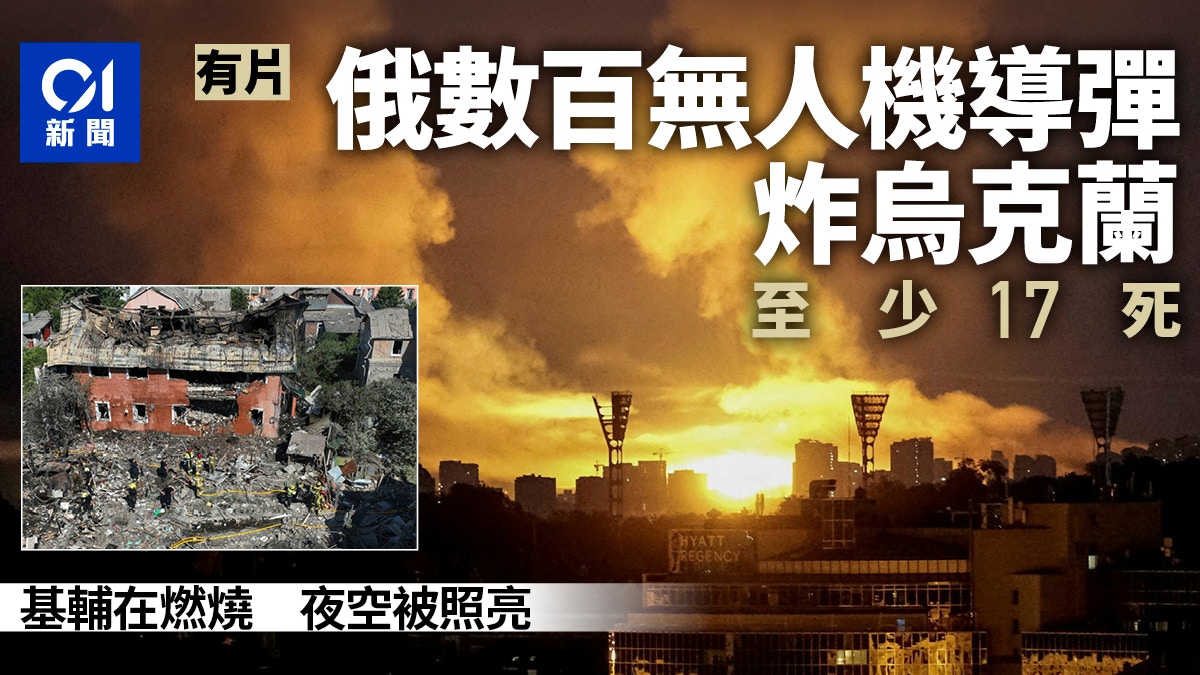
Ukrainian authorities reported a wave of Russian aerial attacks targeting the capital, Kyiv, and other regions, resulting in civilian casualties and significant infrastructure damage. The strikes, which involved a combination of drones and missiles, prompted air raid sirens across the country as local defense systems worked to intercept incoming projectiles.
Reports from Kyiv indicate that emergency services are managing multiple fires caused by falling debris, with casualty figures currently being assessed by local officials. The ongoing intensity of these strikes underscores the volatile nature of the conflict.
Casualties and Damage in Kyiv
The recent aerial assault on Kyiv has resulted in confirmed fatalities and injuries. Emergency response teams were dispatched to several districts where residential buildings and public infrastructure were struck by debris from intercepted weaponry. The municipal authorities have confirmed that at least two people were killed during the initial strikes, with over a dozen others sustaining injuries of varying severity.
Local residents reported seeing the night sky lit up by the intensity of the anti-aircraft fire and the subsequent explosions. The debris from destroyed drones and missiles caused localized fires in at least three districts of the capital. Firefighters and medical personnel remain on-site, providing assistance and clearing the affected areas. The State Emergency Service of Ukraine has urged citizens to remain in shelters until the all-clear is given, as the risk of secondary strikes persists in urban environments.
Geopolitical Context and Energy Security
These military operations coincide with evolving discussions regarding Russia’s domestic energy stability. While international observers have noted potential strain on Russian fuel supplies, Kremlin officials have publicly dismissed reports of a burgeoning energy crisis. Recent data suggests that Russia has sought to mitigate domestic gasoline shortages through imports, including shipments from India, a move that analysts view as a tactical adjustment to maintain internal supply levels.
The reliance on international partners for refined petroleum products highlights the pressure placed on Russia’s energy sector. The redirection of fuel resources to support military operations has created a tighter domestic market, forcing Moscow to seek alternative supply chains. This development is being closely watched by global markets, as the stability of Russian energy exports remains a key factor in international price fluctuations.
Operational Challenges and Future Outlook
The use of mass drone and missile swarms represents a shift in tactical application, designed to overwhelm regional air defense networks. By saturating the airspace, Russian forces aim to increase the probability of successful strikes on critical infrastructure. However, the efficacy of these maneuvers is frequently contested, with the Ministry of Defense of Ukraine reporting high interception rates for incoming projectiles during the most recent attacks.

Looking ahead, the situation remains fluid. The international community continues to provide air defense support to Ukraine, which remains the primary deterrent against such aerial campaigns. The next significant update regarding the scope of the damage and the status of the affected civilians is expected from the Office of the President of Ukraine within the next 24 hours.
We will continue to provide updates as verified information becomes available. If you have questions or wish to share perspectives on the ongoing situation, please participate in the discussion below.