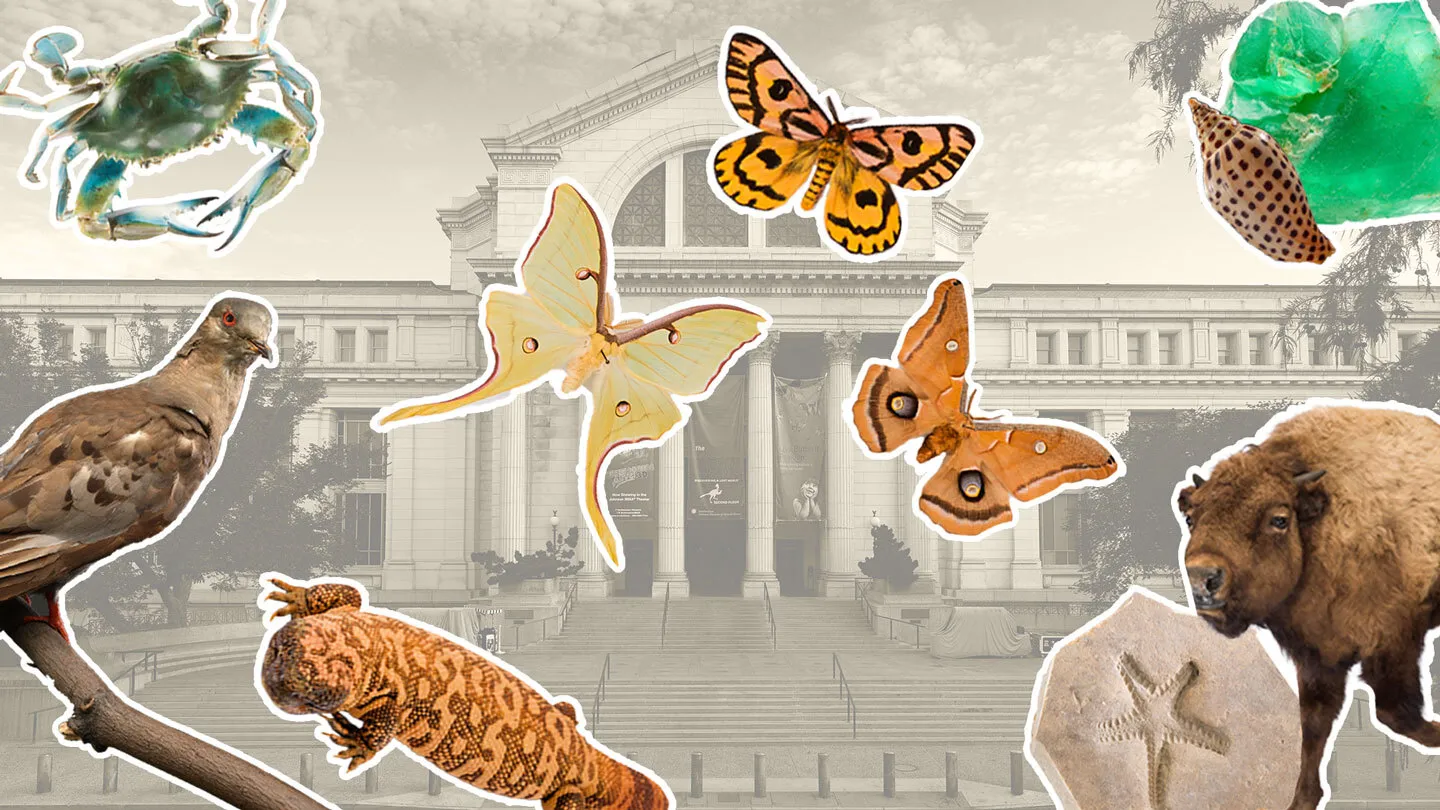
The Smithsonian National Museum of Natural History has unveiled a new exhibition, “Cellphone Stories: Tales from the Field,” which invites visitors to explore the diverse natural history of every U.S. state through a unique, object-centered lens. Located in Washington, D.C., the display serves as a bridge between the institution’s vast research collections and the public, highlighting specimens that represent the geological, biological, and cultural heritage of all 50 states. According to the Smithsonian National Museum of Natural History, the exhibit aims to make the expansive history of the American landscape accessible by focusing on the specific items that define each region’s environmental identity.
As a physician and health journalist, I often look at how our environment shapes our well-being; understanding the natural history of the land we inhabit is a foundational step in public health literacy. This exhibition is not merely a static collection of rocks or fossils. It is a deliberate effort to curate the “natural history of the United States” by selecting one significant representative item from each state. By showcasing these artifacts, the museum provides a snapshot of the continent’s biodiversity and geological evolution, offering visitors a chance to see the interconnectedness of the American ecosystems that sustain us.
Connecting the States Through Natural History
The core of the exhibit is the geographic breadth it covers. From the glacial remnants of the northern plains to the complex marine fossil records of the coastal states, the display uses physical specimens to tell the story of the American continent. The Smithsonian Institution, which oversees the museum, emphasizes that these items were chosen to reflect the unique, often overlooked, natural phenomena that characterize each specific state. For many visitors, the exhibit serves as a reminder that “natural history” is not just a distant, academic concept—it is a living record found in our own backyards.


The exhibit is part of the museum’s ongoing commitment to public science education. By bringing these specimens out of the research archives and into the public eye, the curators are facilitating a direct dialogue between the public and the scientific community. This approach allows visitors to grasp the scale of the United States’ ecological diversity, which includes everything from ancient volcanic activity in the West to the rich, sedimentary histories of the Appalachian region. According to official museum records, the project required extensive collaboration between state geological surveys and the museum’s own research scientists to ensure each selection was both scientifically significant and representative of the state’s heritage.
Why This Exhibit Matters for Public Engagement
For those interested in how we define our connection to the environment, this exhibit offers a rare, comprehensive look at the continent’s biological and geological tapestry. Public health policy often relies on understanding environmental factors—such as soil composition, water quality, and local flora—all of which are documented in the natural history specimens on display. By highlighting these elements, the museum encourages a broader understanding of the natural world, which is essential for informed discussions on conservation and environmental health.
The exhibition also highlights the importance of institutional transparency. By clearly sourcing each specimen and providing context on how it was collected, the museum adheres to high standards of scientific integrity. This is particularly important for educators and students who visit the museum to gain a better understanding of American geography. The Smithsonian’s exhibition calendar provides further details for those planning to visit, including information on specific educational programs associated with the display.
What to Expect During Your Visit
Visitors to the National Museum of Natural History in Washington, D.C., can expect a highly curated experience. The exhibit is designed to be self-guided, allowing guests to move through the states at their own pace. Because the displays are located within the larger museum complex, visitors are encouraged to allocate at least two to three hours to fully engage with the “From These Lands” narrative. The museum is free to the public, consistent with its mission to provide universal access to knowledge.
When planning your trip, consider the following practical details:
- Location: The National Museum of Natural History is situated on the National Mall in Washington, D.C.
- Accessibility: The museum is fully ADA compliant, ensuring that the natural history exhibits are accessible to all visitors.
- Updates: For the most current information on exhibit hours and potential temporary closures, consult the official Smithsonian visitor information page.
The exhibit serves as an ongoing project, with the museum occasionally rotating specimens to reflect new research or discoveries. This means that even returning visitors may find new items that offer a different perspective on the natural history of their home state. As we continue to study the impacts of climate change and biodiversity loss, these historical records become increasingly vital. They provide the baseline data needed to measure environmental shifts over time, proving that the study of the past is fundamentally linked to our future health and stability.
The next major update regarding the museum’s research initiatives is scheduled for the annual report release, typically published in the spring. I encourage our readers to share their thoughts on how local natural history exhibits have influenced their own understanding of their home regions. Your engagement helps foster a better-informed public dialogue on the importance of preserving our natural heritage.