
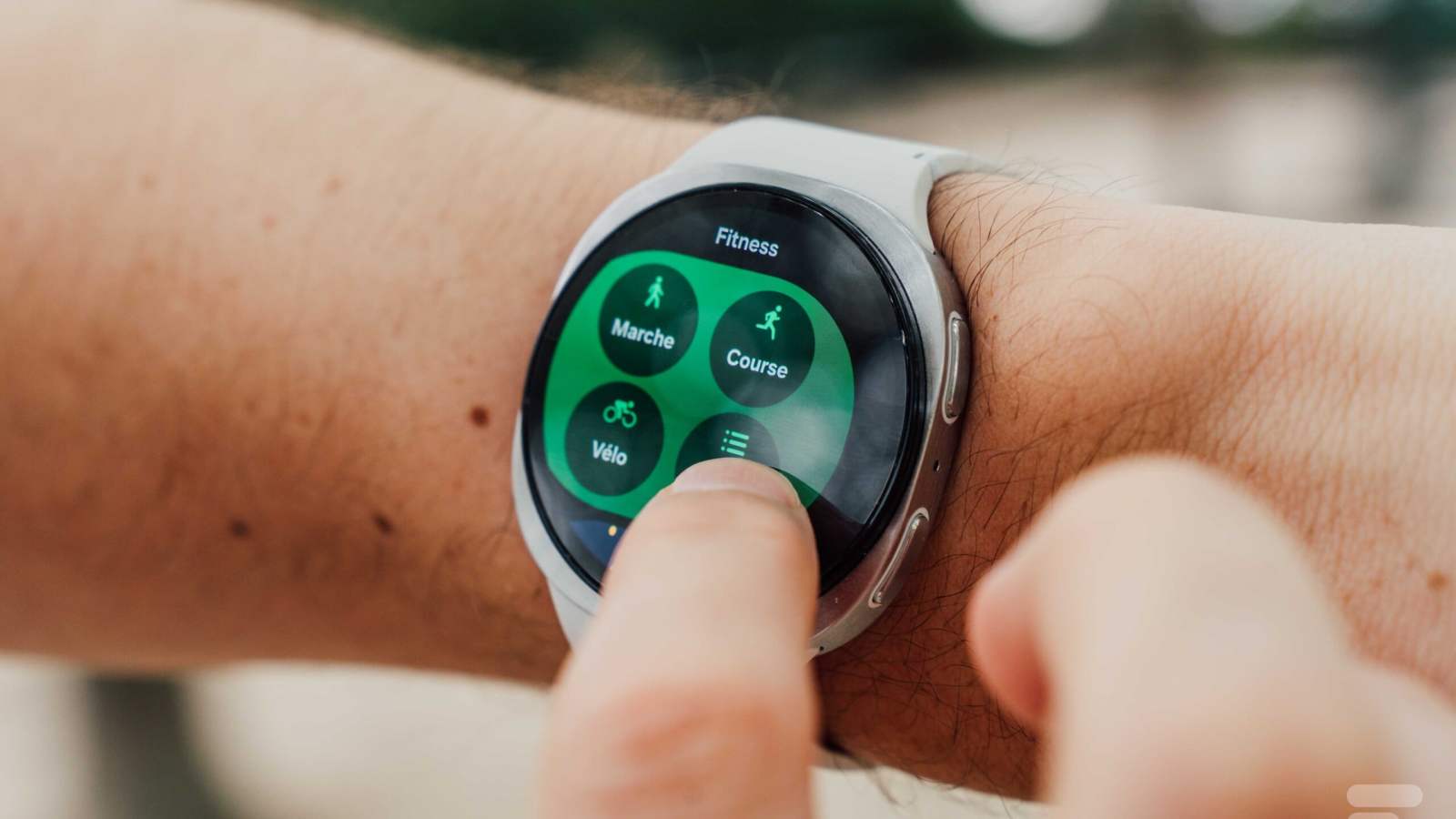
Samsung has officially expanded the retail availability of its Galaxy Watch series by partnering with Decathlon, the global sporting goods retailer. This strategic move places high-end wearable technology directly alongside specialized athletic equipment, signaling a shift in how consumer electronics brands are targeting fitness-oriented demographics. The collaboration, which began rolling out in select markets, allows customers to purchase Samsung smartwatches in physical stores where they might already be shopping for running gear, cycling accessories, or gym apparel.
This partnership reflects a broader trend in the retail industry where technology companies seek to integrate their products into the lifestyle environments of their users. By positioning the Galaxy Watch—a device centered on health tracking, heart rate monitoring, and GPS accuracy—within the ecosystem of a sports-specialized retailer, Samsung aims to capture a more targeted audience of athletes and fitness enthusiasts. According to recent industry observations, the move aligns with the increasing consumer demand for “all-in-one” shopping experiences, where hardware performance is verified by the context of its primary use case.
Strategic Retail Placement and Market Positioning
The decision to feature Samsung smartwatches at Decathlon locations is rooted in the functional overlap between the two brands. Decathlon serves as a destination for individuals focused on physical performance, a demographic that heavily overlaps with the target user base for the Galaxy Watch series, which includes models like the Galaxy Watch 6 and the Galaxy Watch Ultra. As reported by retail analysts, placing these devices in a sports-retail setting provides a tangible benefit: consumers can test the ergonomics of the watch bands and the clarity of the displays in an environment that mimics their actual usage scenarios.


For Samsung, this retail expansion is a calculated effort to diversify its sales channels beyond traditional electronics stores and carrier storefronts. By tapping into Decathlon’s extensive physical footprint, Samsung gains access to a customer base that may not prioritize visiting a dedicated tech store but is actively seeking performance-enhancing tools. This strategy mirrors other successful collaborations in the tech sector, where wearable devices are increasingly marketed as essential fitness equipment rather than merely smartphone accessories. The partnership also allows for cross-merchandising, where fitness trackers can be paired with heart-rate straps or other training accessories, providing a comprehensive solution for the end-user.
Why the Partnership Matters for Fitness Technology
The integration of premium smartwatches into non-traditional retail spaces highlights the maturation of the wearable technology market. As features like blood oxygen monitoring, sleep tracking, and advanced workout metrics become standard, the distinction between a “gadget” and “athletic gear” has blurred. According to Samsung’s official product documentation, the Galaxy Watch series is designed to provide clinical-level health insights, which necessitates a retail environment that understands the gravity of such features. Decathlon’s staff, typically trained in sports science and equipment utility, are better positioned to explain these specific health-tracking capabilities than general retail clerks.
Furthermore, this move addresses a common friction point in consumer electronics: the inability to physically interact with a device before purchase. For an athlete, the weight, strap comfort, and interface responsiveness are critical factors that cannot be fully evaluated through online product pages. By providing an in-store experience, Samsung lowers the barrier to entry for potential buyers who are cautious about investing in high-end wearables. This shift is consistent with the company’s broader strategy to position its Galaxy ecosystem as a vital component of a healthy, connected lifestyle.
Future Implications for Consumer Electronics
Looking ahead, the collaboration between Samsung and Decathlon may serve as a blueprint for future retail partnerships. As the wearable market continues to grow, industry experts anticipate that brands will increasingly prioritize “lifestyle-adjacent” retail placements. This means we may see more tech products appearing in specialized stores—whether for outdoor, yoga, or professional sports—as companies seek to reach consumers at the exact moment their interest in a specific activity is highest.

The success of this initiative will likely be measured by conversion rates and the ability of Decathlon staff to effectively demonstrate the software features of the Galaxy Watch interface. As Samsung continues to refine its ecosystem, the focus will remain on demonstrating how these devices integrate with existing athletic workflows. For consumers, the takeaway is clear: the path to acquiring sophisticated health-monitoring technology is becoming shorter and more specialized. Updates regarding the expansion of this partnership to additional regions will be provided by both companies through their official newsrooms as they become available.
What are your thoughts on purchasing high-end tech from sports retailers? Join the conversation in the comments section below and share how you prefer to shop for your fitness gear.