
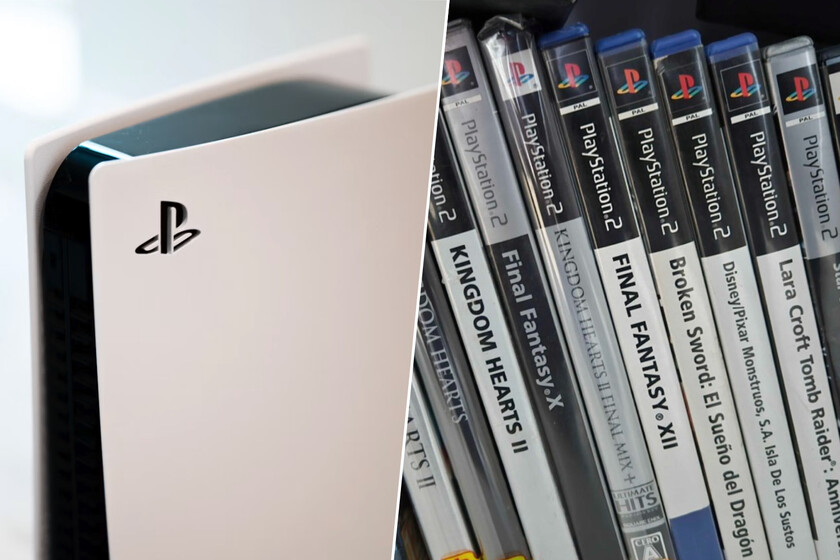
Sony Interactive Entertainment has signaled a definitive shift in its hardware strategy, confirming that the production of physical game discs for PlayStation consoles is slated to conclude by January 2028. This transition toward a digital-first ecosystem recalibrates the market position of the PlayStation 5 Digital Edition, moving it from a secondary hardware option to a central component of the company’s long-term distribution model.
As the industry moves away from optical media, the debate regarding digital ownership, platform longevity, and the long-term value of hardware without disc drives has intensified. For consumers, this shift represents a departure from the traditional retail model that has defined console gaming for decades, raising questions about how digital-only libraries will be managed as the company eventually cycles through its hardware generations.
The Shift to Digital Distribution
The announcement regarding the end of physical disc production by January 2028 marks a significant milestone in Sony’s move toward a purely digital storefront. While the PlayStation 5 Digital Edition was initially marketed as a lower-cost entry point—often perceived as a compromise for those who preferred the utility of physical media—it now aligns with the company’s broader infrastructure. According to official PlayStation corporate communications, the company is prioritizing digital services, including the PlayStation Store and subscription models like PlayStation Plus, to streamline game delivery and updates.
This transition follows a decade of industry trends where digital sales have consistently outperformed physical retail. Data from market analysts frequently highlight that digital storefronts offer higher profit margins for publishers by removing the costs associated with manufacturing, shipping, and retail markups. However, the move also places the consumer’s library entirely in the hands of the platform holder, a point of contention for many users concerned about the permanence of their digital purchases.
Lessons from Legacy Stores
The conversation surrounding the end of physical media often points to the historical management of legacy digital stores. Sony previously faced public scrutiny during its attempt to close the digital storefronts for the PlayStation 3 and PlayStation Vita. While the company ultimately reversed its decision to close these stores in 2021—allowing users to continue downloading previously purchased content—the incident served as a reminder of the fragility of digital-only ownership. As reported by Diario AS, the initial announcement created significant concern regarding the accessibility of legacy titles once official support ends.

For modern console owners, this history underscores the difference between “buying” a game and “licensing” access to it. Unlike physical discs, which can be traded, sold, or played indefinitely on compatible hardware, digital licenses are tethered to user accounts and the continued existence of the platform’s servers. The shift to a digital-only future forces users to rely on the manufacturer’s commitment to maintaining backward compatibility and server uptime.
The Market Perception of PS5 Digital
With the inevitable decline of physical media, the hardware architecture of the PlayStation 5 Digital Edition is no longer viewed as a “cut-down” version of the console. Instead, it represents the standard for the next phase of gaming. The price point of the Digital Edition, when compared to the disc-drive-equipped model, is now seen by many as a more logical investment for those who have already transitioned their gaming habits to platforms like the PlayStation Store or PC digital storefronts.
The comparison to the PC market is frequently cited in this context. PC gaming abandoned physical media nearly two decades ago, driven by the ubiquity of platforms like Valve’s Steam. While the transition for PC users was not always seamless, it eventually led to a robust system of cloud saves, digital libraries, and frequent sales that have become the industry standard. However, as noted by industry observers, Sony’s closed ecosystem differs significantly from the open architecture of the PC, meaning that PlayStation users remain reliant on a single storefront for their software needs.
What Happens Next for Console Gamers
As the January 2028 deadline approaches, the focus for Sony will likely be on ensuring that the infrastructure supporting digital libraries remains stable and accessible. For the consumer, the primary concern remains the long-term preservation of digital content. While the company has not provided specific details on how it will handle software access for future hardware generations, the trend toward cloud-based gaming and digital-only hardware suggests that the “digital-first” experience will continue to be the primary focus for PlayStation development.

Readers looking for the latest information on digital rights and library management should monitor the official PlayStation Blog for updates regarding store policies and account management. The industry is currently in a state of transition, and as physical media becomes an artifact of the past, the value of digital-only consoles will be defined by the reliability and longevity of the services that support them. We invite you to share your thoughts on the transition to digital-only gaming in the comments below.