
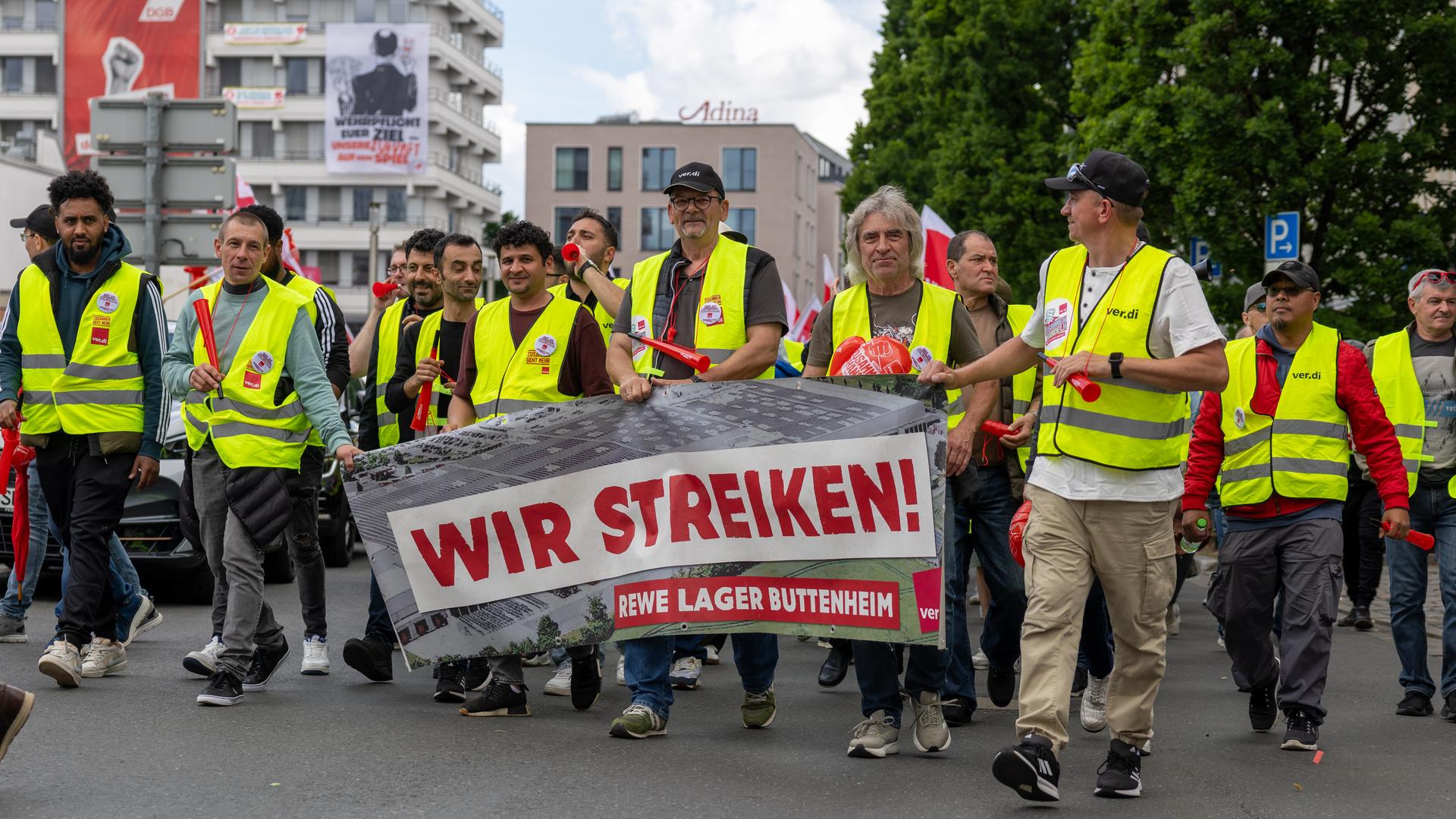
Retail employees in Bavaria are intensifying industrial action to demand higher wages and improved working conditions, as union-led demonstrations continue to disrupt city centers. The ongoing labor dispute, which has seen retail workers across various German regions stage walkouts throughout 2026, highlights a persistent friction between trade unions and employer associations over inflation-adjusted pay increases and sector-wide collective bargaining agreements.
According to reports from ver.di (Vereinte Dienstleistungsgewerkschaft), the primary union representing service sector employees in Germany, these strikes are a direct response to the rising cost of living and stagnant wage growth in the retail industry. The union asserts that current offers from employer associations fail to provide adequate compensation for the increased workload and economic pressures faced by retail staff.
The Core of the Retail Labor Dispute
The central conflict revolves around the negotiation of new collective bargaining agreements for the retail sector. Union representatives argue that retail employees, who were classified as essential workers during the pandemic, have seen their purchasing power erode due to persistent inflation. The Handelsverband Deutschland (HDE), representing the interests of retailers, has maintained that companies are under significant financial strain due to rising energy costs, supply chain disruptions, and changing consumer habits, which limits their ability to meet union wage demands.
This standoff has led to recurring strikes, with workers organizing picket lines and protest marches in major hubs like Nuremberg. These actions are designed to exert economic pressure on employers during peak shopping periods, thereby forcing a return to the negotiating table. The Federal Statistical Office of Germany provides data on consumer price indices, which unions frequently cite to justify their demands for double-digit percentage wage increases to offset real-term losses.
Impact on German Retail Operations
For the average consumer, the immediate impact of these strikes is often visible in the form of reduced operating hours, limited service availability, or temporary closures of major retail outlets. In cities like Nuremberg, organized marches through the city center have become a common occurrence as workers seek public support for their cause. The scale of these demonstrations is coordinated by regional union chapters, which ensure that the message of the workforce remains visible to both the public and local government officials.

The economic impact is also felt by the retailers themselves. Prolonged strikes can lead to inventory bottlenecks and a decline in daily revenue, which complicates the financial outlook for businesses already operating on thin margins. According to sector analyses from the German Institute for Economic Research (DIW Berlin), the retail sector remains a critical pillar of the German economy, and prolonged industrial unrest could have broader implications for domestic consumption patterns if labor peace is not restored.
Negotiation Stalemates and Future Outlook
Despite multiple rounds of discussions, both parties remain far apart. The union continues to advocate for a “living wage” adjustment, while employer associations emphasize the necessity of maintaining competitive pricing in a market increasingly dominated by e-commerce giants. This structural shift in how Germans shop has further complicated traditional labor negotiations, as brick-and-mortar retailers struggle to compete with the lower overhead costs of digital platforms.
The next steps in this dispute will likely be determined by upcoming mediation sessions. If these sessions fail to produce a compromise, unions have indicated that they are prepared to escalate their actions, potentially moving toward longer-term, indefinite strikes that could significantly disrupt the retail landscape. Both the union leadership and the employer associations are currently monitoring the legal framework provided by the Basic Law for the Federal Republic of Germany, which protects the right to strike while also balancing the interests of economic stability.

As of mid-2026, there is no official date set for the conclusion of these negotiations. Observers are keeping a close watch on the next scheduled bargaining rounds, which are expected to be announced through official union and employer association portals. For those affected by potential store closures or service delays, local media and official company websites remain the most reliable sources for real-time updates regarding specific retail locations.
We invite our readers to share their perspectives on the current state of labor relations in the European retail market in the comments section below. Your engagement helps us maintain a comprehensive view of how these economic policies affect communities across the globe.