
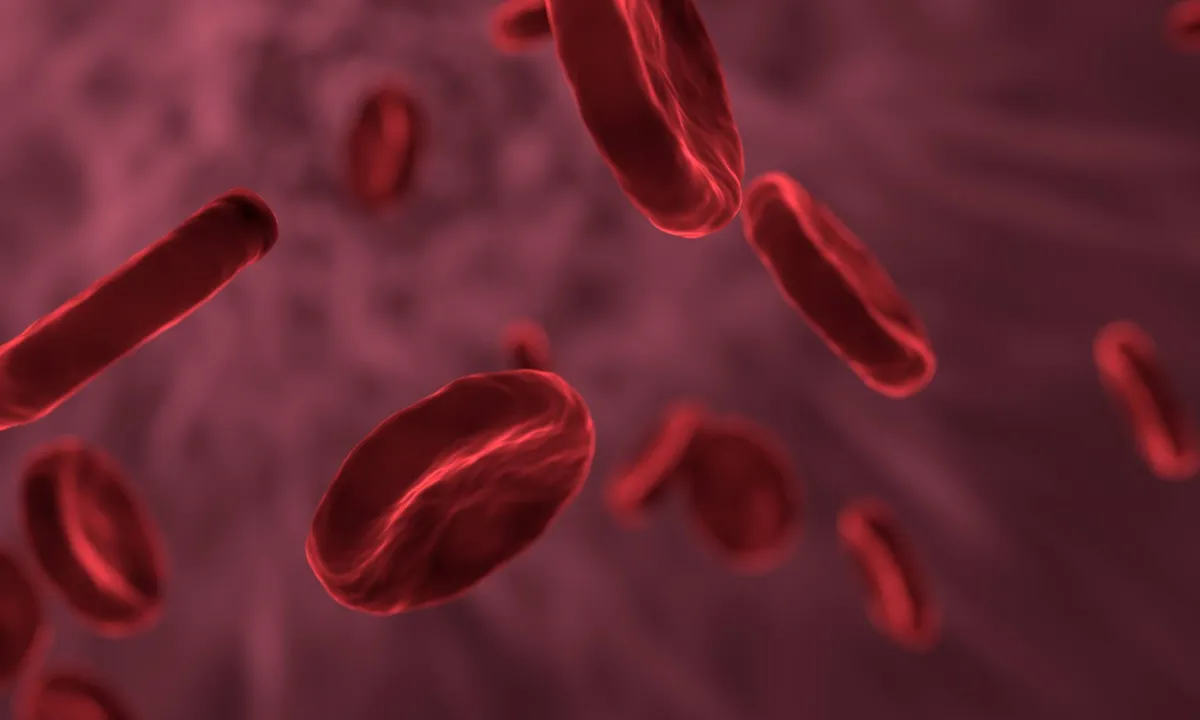
Researchers have achieved a significant milestone in synthetic biology by successfully engineering a functional cell capable of growth and division from the ground up. This development, which involves the construction of a minimal biological system, marks a shift in how scientists approach the fundamental definition of life. By stripping away non-essential genetic material, the team has created a streamlined organism that reveals the core mechanisms necessary for cellular life to persist and replicate.
The project builds upon years of research into synthetic genomes, specifically focusing on the creation of a “minimal cell.” Scientists successfully engineered a synthetic organism that contains only the genes essential for life. While the initial version of this synthetic cell could survive, it struggled with irregular division, prompting researchers to further refine its genetic architecture to achieve consistent, uniform cell shapes during the reproductive process.
The Mechanics of Synthetic Cell Division
For a cell to be considered truly functional, it must not only maintain its internal processes but also divide reliably. The challenge for the research team was identifying which genes were required to restore the natural, uniform division seen in wild-type bacteria. By reintroducing specific genes into the minimal genome, the scientists discovered that seven distinct genetic elements were sufficient to restore the normal reproductive cycle.
This achievement provides a clearer view of the “minimal requirements” for life. This research serves as a platform for understanding the complex interactions between genes and cellular structure. By simplifying the cell to its most basic, working form, biologists can now systematically study how each component contributes to the overall stability and health of the system, a process that is significantly more difficult in naturally occurring, highly complex cells.
Implications for Biotechnology and Medicine
The ability to construct a cell from scratch has broad implications for the future of medicine and biotechnology. By utilizing a “blank slate” organism, scientists may eventually be able to design cells that perform specialized tasks, such as delivering targeted therapies within the human body or producing complex pharmaceuticals more efficiently than current methods allow. The potential to program cells to respond to specific environmental triggers could revolutionize how we approach chronic disease management and synthetic tissue engineering.
However, the field remains in its early stages. The current synthetic cells are designed to exist in highly controlled laboratory environments. Translating these findings into clinical or industrial applications requires overcoming significant hurdles, including ensuring the long-term stability of the synthetic genome and preventing unintended mutations. Regulatory frameworks for synthetic organisms are also evolving, with oversight bodies and international bioethics panels closely monitoring developments that involve the modification of life at this fundamental level.
Understanding the Minimal Genome
To understand why this is a breakthrough, one must look at the complexity of standard biological life. An average bacterium may contain thousands of genes, many of which serve redundant or auxiliary functions. The synthetic cell approach seeks to reduce this number to the absolute minimum needed for metabolism and reproduction. By isolating these essential genes, researchers can observe the “engine” of life without the noise of unnecessary biological data.
This reductionist approach is not intended to recreate life as it evolved naturally, but rather to create a tool for biological inquiry. Each gene added back to the minimal cell is carefully documented, allowing the researchers to build a complete “parts list” for a functioning cell. This methodology has been supported by advancements in DNA synthesis technology, which now allows for the precise assembly of long genetic sequences, a capability that was not feasible even two decades ago.
As the scientific community continues to analyze the data from these synthetic cells, the focus will likely shift toward optimizing the metabolic efficiency of these organisms. Future updates are expected as researchers move from basic cellular division to more complex functions, such as energy conversion and environmental sensing. We encourage our readers to share their thoughts on the ethical and scientific implications of this research in the comments section below.