
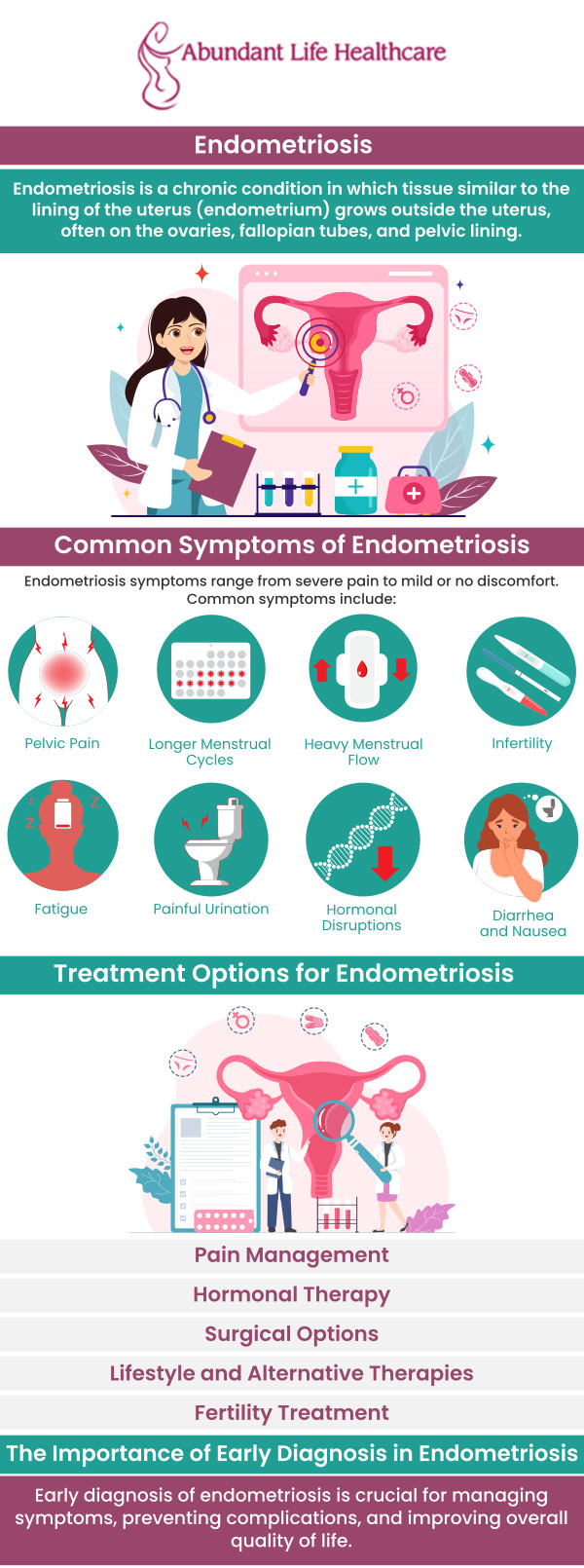
Endometriosis is a complex, chronic inflammatory condition affecting approximately 10% of reproductive-age women and girls globally, characterized by the presence of tissue similar to the lining of the uterus found outside the uterine cavity. According to the World Health Organization (WHO), this systemic disease often leads to debilitating pelvic pain, infertility, and significant long-term health challenges that require a multidisciplinary approach to management. Because the condition is frequently misdiagnosed or overlooked, understanding the clinical presentation and evidence-based care pathways is essential for improving patient outcomes.
As a physician, I have observed that the diagnostic delay for endometriosis remains a persistent global health issue. Patients often wait years before receiving an accurate diagnosis, during which time the disease may progress, causing adhesions, organ dysfunction, and chronic pain syndromes. The medical community is increasingly shifting toward a paradigm that prioritizes early clinical suspicion and personalized treatment plans, rather than waiting for surgical confirmation to initiate symptom management.
Clinical Presentation and Diagnostic Challenges
The hallmark of endometriosis is chronic pelvic pain, which often correlates with the menstrual cycle but can become non-cyclic as the disease advances. The American Society for Reproductive Medicine (ASRM) notes that symptoms may also include dysmenorrhea, dyspareunia, and dyschezia. Because these symptoms are common, they are frequently dismissed or attributed to other gastrointestinal or gynecological conditions, such as irritable bowel syndrome or primary dysmenorrhea.

Diagnosis typically involves a comprehensive physical examination, medical history, and transvaginal ultrasound or magnetic resonance imaging (MRI) to identify endometriomas or deep infiltrating endometriosis. However, the European Society of Human Reproduction and Embryology (ESHRE) emphasizes that a negative ultrasound does not rule out the disease, particularly in cases of superficial peritoneal implants. Laparoscopy remains the gold standard for definitive diagnosis, though clinicians are encouraged to start empirical treatment if clinical suspicion is high and imaging is inconclusive.
Managing Chronic Pain and Long-Term Care
Effective management of endometriosis requires a long-term strategy that balances symptom relief with the preservation of fertility. First-line therapies often include hormonal contraceptives, such as combined oral contraceptives, progestins, or gonadotropin-releasing hormone (GnRH) antagonists, which aim to suppress ovarian activity and reduce the inflammatory environment. According to the American College of Obstetricians and Gynecologists (ACOG), these medications are effective for managing pain but do not cure the underlying lesions.

For patients who do not respond to medical management or who have severe anatomical distortion, surgical intervention is indicated. Surgical goals include the complete excision of endometriotic lesions and the restoration of pelvic anatomy. It is critical that patients understand that surgery for endometriosis is not a one-time fix; recurrence rates remain a significant concern, necessitating ongoing monitoring and, in many cases, long-term medical suppression following the procedure.
Fertility Considerations and Reproductive Health
Endometriosis is a leading cause of infertility, primarily due to the anatomical changes caused by adhesions, the impact of inflammation on oocyte quality, and potential damage to ovarian reserve. When treating patients who wish to conceive, clinicians must weigh the benefits of surgical excision against the potential for surgical trauma to the ovaries, which can further diminish the ovarian reserve.
The National Institute for Health and Care Excellence (NICE) guidelines suggest that for women with endometriosis-associated infertility, assisted reproductive technologies, such as in vitro fertilization (IVF), may be more effective than repeated surgeries. A multidisciplinary team—including reproductive endocrinologists, pain specialists, and pelvic floor physical therapists—is often necessary to address the multifaceted needs of these patients. Physical therapy, in particular, has emerged as a vital component in managing the pelvic floor dysfunction that frequently accompanies chronic endometriosis.
Next Steps in Clinical Research
The medical field is currently focusing on the development of non-invasive diagnostic biomarkers to reduce the time to diagnosis. While research into blood-based or saliva-based tests is ongoing, these tools are not yet ready for routine clinical practice. Patients are encouraged to consult with specialists who have experience in advanced endometriosis care to ensure their treatment plans are aligned with the latest clinical guidelines.

For those seeking updated information, the Endometriosis UK organization and other patient advocacy groups provide verified resources on current research and support services. As our understanding of the disease evolves, the priority remains clear: reducing the diagnostic gap and providing patients with evidence-based, compassionate care. If you have questions about your symptoms or treatment options, please share your experiences in the comments section below, and stay tuned for our next feature on emerging pharmacological therapies for pelvic pain.