
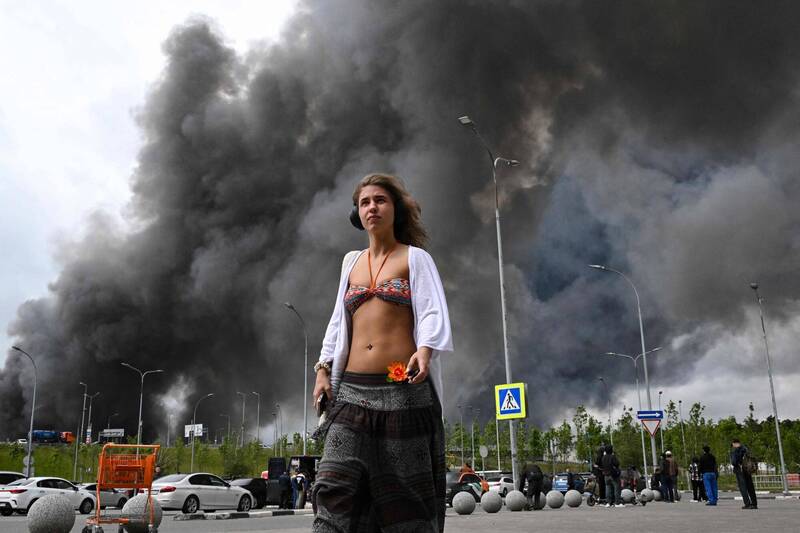
The Russian government has initiated a recruitment drive for drone operators tasked with patrolling and defending the skies over Moscow, as the capital faces an increasing frequency of long-range aerial attacks. The state-backed initiative offers monthly salaries for specialized personnel to bolster the city’s electronic warfare and interception capabilities against unmanned aerial vehicles (UAVs), according to local employment listings and reports from independent monitoring groups.
Recent developments in the ongoing conflict have seen a notable uptick in drone strikes targeting Russian territory, including the Moscow region. According to official reports from the Russian Ministry of Defense, regional air defense systems have been frequently engaged to neutralize incoming targets, leading to temporary closures of major airports such as Vnukovo, Domodedovo, and Sheremetyevo as a security precaution. These measures, while standard protocol, underscore the logistical strain caused by the persistent threat of drone incursions.
Recruitment Efforts and Compensation
The search for drone operators, often categorized under auxiliary security or specialized technical defense roles, has appeared on various job boards and social media platforms monitored by regional observers. Compensation packages for these roles are reportedly competitive compared to standard private-sector wages in the region. According to data tracked by the Institute for the Study of War, the Russian Federation has increasingly relied on financial incentives to attract technical specialists to support its domestic defense infrastructure.

While exact figures fluctuate based on the specific contract duration and technical certification, reports indicate that monthly salaries for these specialized positions can reach up to 200,000 rubles. These roles typically require candidates to possess experience in radio-frequency monitoring, signal jamming, or the operation of tactical drone interception equipment. The recruitment process is managed through authorized military commissariats and regional security contractors, ensuring that all personnel are vetted for security clearances.
The Evolving Threat to Moscow
The strategic shift to harden Moscow’s defenses follows a series of high-profile incidents where drones reached the outskirts of the city or targeted critical infrastructure. Analysts from the Royal United Services Institute have noted that the use of low-cost, long-range drones has forced the Russian military to deploy air defense assets more broadly, creating a defensive challenge in protecting densely populated urban centers. This strategy of “defense in depth” requires a larger number of operators to monitor radar systems and manage anti-drone platforms 24 hours a day.
The impact of these drone activities has been documented by international monitors who track flight path disruptions and civilian reports of explosions. The Russian government maintains that the majority of these drones are intercepted by electronic warfare systems, which force the aircraft to lose control and crash in unpopulated areas. However, the recurring nature of these incidents has necessitated a more permanent, localized defense presence, which the current recruitment drive aims to fulfill.
What Happens Next
The effectiveness of these new defense units remains to be seen as the conflict continues to evolve. The Russian Ministry of Defense is expected to provide periodic updates on the status of its domestic air defense capabilities during its daily briefings. For residents of Moscow, the presence of these units will likely result in continued, though routine, air traffic restrictions whenever alerts are triggered.

Future developments regarding the expansion of this program will be subject to official announcements from the Russian government. Observers are also monitoring whether the integration of these new drone operators will lead to a decrease in the temporary airport closures that have characterized the last several months of the conflict. Readers interested in tracking these updates can monitor official statements from the Russian Ministry of Defense website for the latest operational information.
If you found this reporting helpful, please share this article or leave a comment below to join the discussion on the changing dynamics of global security.