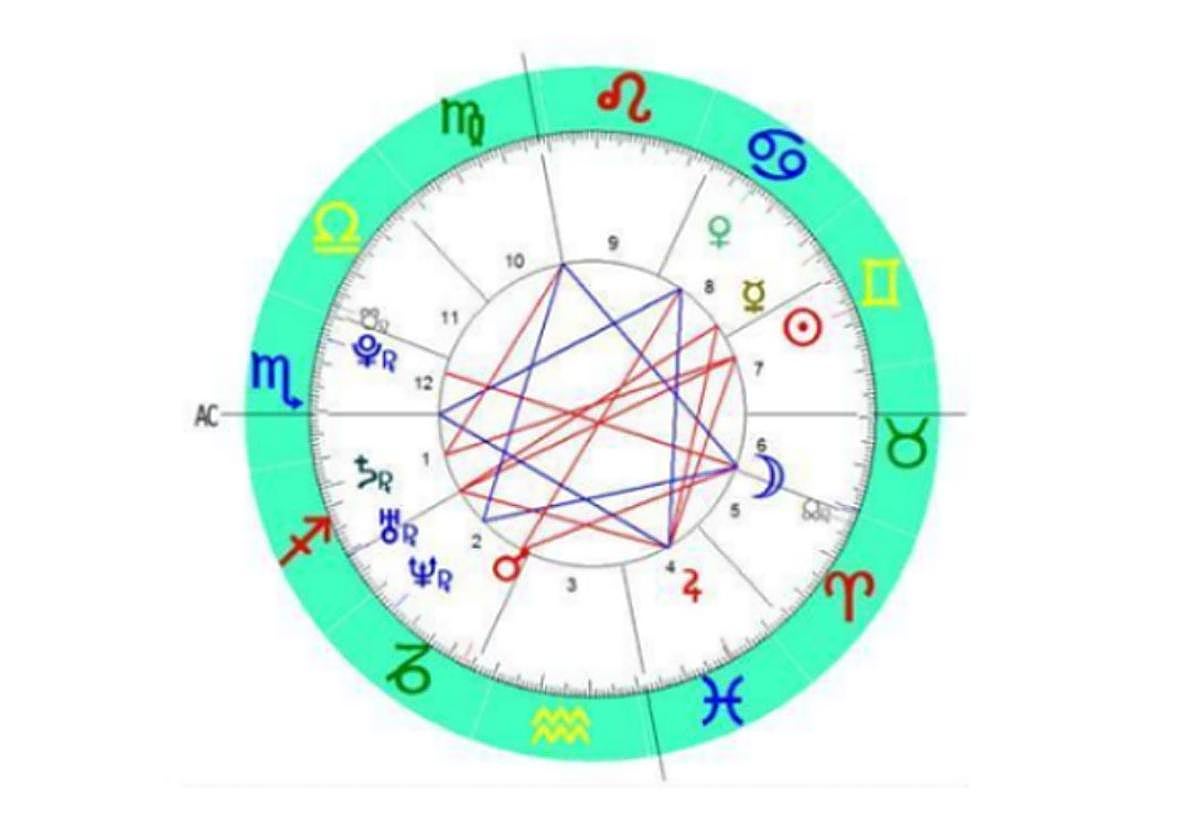
As of July 4, 2026, astrological observers and media outlets are tracking the celestial alignment of Mars and Uranus, an event that practitioners of astrology associate with significant transitions in daily life. While scientific consensus identifies these as orbital movements within our solar system, cultural interest in their perceived influence on love, health, and professional sectors remains a consistent topic of public discussion during this mid-year period.
While horoscopes are published as entertainment and cultural content, they remain distinct from the empirical data provided by space agencies regarding the physical distance and velocity of these planets.
Understanding the Mars and Uranus Alignment
The alignment of Mars and Uranus is frequently cited in popular media as a trigger for sudden change or shifts in personal circumstances. From an astronomical perspective, an alignment—or conjunction—occurs when two celestial bodies appear close to each other in the sky from the perspective of Earth. According to the International Astronomical Union (IAU), which defines the naming and classification of celestial phenomena, these events are predictable mathematical occurrences based on the differing orbital periods of the planets involved.
For those following astrological narratives, the 4th of July, 2026, is presented by various lifestyle publications as a date to monitor for potential shifts in professional and interpersonal dynamics. These outlets suggest that the energy associated with this alignment may impact different zodiac signs in varied ways. However, it is essential to distinguish these interpretations from scientific forecasts. No peer-reviewed research in the field of astronomy or physics supports the claim that the positions of distant planets exert a measurable influence on human behavior, career outcomes, or individual health metrics.
Contextualizing Cultural Interest in Astrology
The popularity of daily horoscopes persists as a global cultural phenomenon, often categorized under lifestyle and entertainment journalism. Readers frequently engage with these predictions for self-reflection or as a traditional component of their daily media intake. While these columns often provide advice regarding finances, relationships, and well-being, they are not based on clinical or empirical evidence.
Public interest in the movement of celestial bodies often spikes during visible astronomical events. For instance, the Sky & Telescope organization regularly tracks planetary positions for amateur astronomers, providing a factual baseline for those interested in the actual movement of Mars and Uranus. By consulting such resources, readers can separate the documented reality of planetary motion from the metaphorical interpretations found in daily horoscopes.
Practical Guidance for Readers
For those seeking to understand the actual state of the night sky, official updates are available through reputable scientific institutions. Readers interested in the precise coordinates of planets can utilize the NASA Solar System Dynamics (SSD) group, which offers tools to calculate the position of any major body in the solar system for any given date. Utilizing these tools provides a grounded way to engage with the cosmos, free from the speculative nature of predictive astrology.

As of July 4, 2026, there are no scheduled official government or scientific announcements related to planetary alignments, as these are natural, ongoing orbital processes. Readers are encouraged to verify celestial events through independent astronomical data rather than relying solely on lifestyle columns. Whether one approaches the stars through the lens of science or tradition, the clear skies of early July offer a consistent opportunity for observation and study.
The next major astronomical events, including upcoming lunar or solar cycles, can be monitored through the official Time and Date astronomy portal, which tracks global celestial occurrences with high precision. We invite readers to share their observations or questions in the comments section below regarding the current planetary visibility in their specific geographical locations.