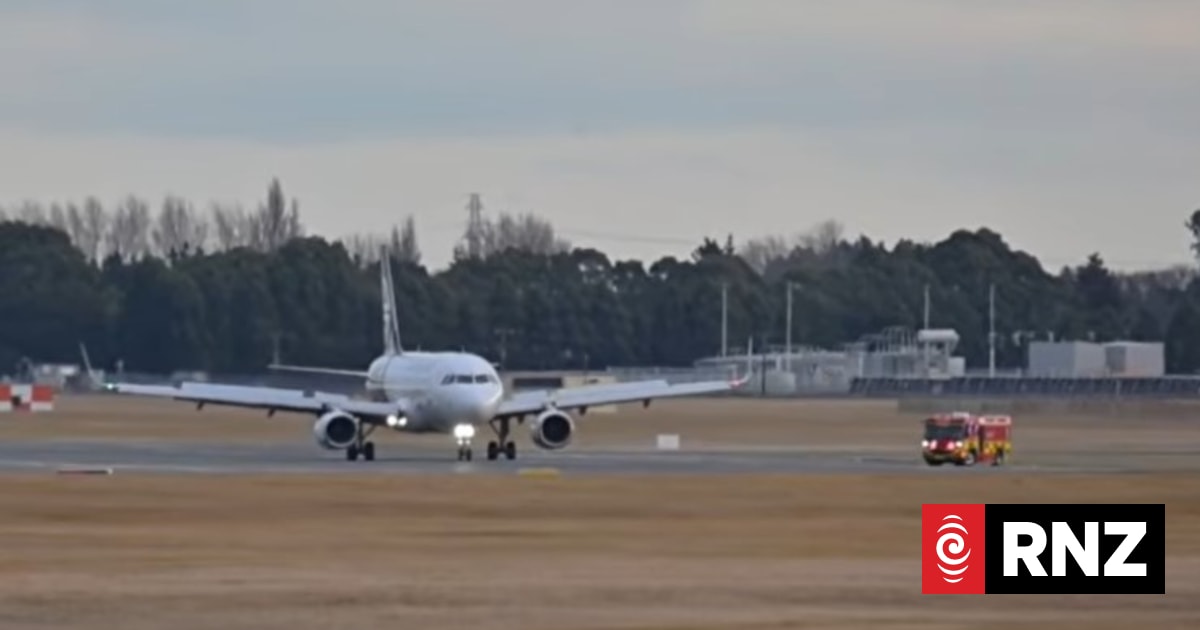
Emergency services, including police and fire crews, were reported on the runway at Christchurch International Airport on Tuesday. While eyewitness reports indicate a significant presence of first responders, airport authorities have not yet confirmed the nature of the incident or any immediate impact on scheduled flight operations.
The reports, which circulated via eyewitness accounts, describe several fire trucks and police vehicles positioned on the airfield. At this stage, no injuries or aircraft damage have been officially reported by the Christchurch International Airport or local emergency management agencies.
Airport operations typically maintain strict protocols for runway incursions and emergency responses. The presence of fire and police services on a runway often indicates a “standby” response, where crews are positioned to assist an aircraft experiencing a technical fault during takeoff or landing, regardless of whether a fire is present.
What is known about the emergency response at Christchurch Airport?
Current information is limited to eyewitness observations of emergency vehicles on the runway. No official statement has been released by the New Zealand Police or Fire and Emergency NZ (FENZ) regarding a specific emergency or casualty event. In aviation protocol, the deployment of fire trucks to the runway is a standard precautionary measure for various “non-emergency” technical alerts.

These alerts can include landing gear malfunctions, hydraulic leaks, or cockpit warnings that require the airport’s Rescue and Fire Fighting Services (RFFS) to be in position before an aircraft touches down. The involvement of police often relates to the management of airfield access or the coordination of emergency vehicle movements to ensure runway safety.
How does Christchurch Airport handle runway emergencies?
Christchurch International Airport operates under stringent safety regulations mandated by the Civil Aviation Authority of New Zealand. The airport maintains its own specialized fire and rescue services designed to respond to any point on the movement area within three minutes, a global aviation standard.

When an aircraft declares a “Pan-Pan” (urgent but not immediate danger) or a “Mayday” (immediate danger), the airport triggers a tiered response. A standby response involves positioning crews at strategic points along the runway to provide immediate assistance if needed. A full emergency response involves the mobilization of all available airport crash-fire-rescue assets and coordination with external agencies like FENZ.
The distinction between these two responses is critical for operational flow. Standby responses often result in minimal delays, whereas a full emergency response typically leads to the temporary closure of the runway, diverting incoming flights to alternative airports such as Queenstown or Wellington.
Will this cause flight disruptions or delays?
Flight schedules are subject to change whenever emergency vehicles occupy the runway. While the airport has not announced a full closure, any activity on the active runway necessitates a halt in takeoffs and landings to maintain a sterile environment for aircraft.

Passengers are advised to monitor the real-time flight information board on the official airport website. According to standard operating procedures, if a runway is blocked, Air Traffic Control (ATC) will hold departing aircraft on the taxiway and instruct arriving aircraft to enter a holding pattern until the runway is declared clear.
The impact on travel depends on the duration of the police and fire presence. If the incident is a routine technical standby, disruptions are usually limited to short delays. If the response is tied to a significant airfield incident, the airport may implement contingency plans for passenger redirection and baggage handling.
Who is responsible for the airfield response?
The primary responsibility for immediate aircraft rescue lies with the airport’s internal RFFS. However, for larger-scale incidents, the airport coordinates with Fire and Emergency NZ (FENZ) to provide additional manpower and equipment. The New Zealand Police provide support for perimeter security and traffic management outside the airfield boundaries.

This multi-agency approach ensures that both the aviation-specific needs of the aircraft and the broader safety requirements of the airport precinct are met. Coordination is managed through a centralized command structure, typically involving the airport’s operations manager and the lead incident commander from the responding emergency service.
The synergy between these agencies is regularly tested through simulated emergency drills to ensure that response times and communication channels remain efficient during actual events.
Further official updates are expected from the Christchurch International Airport communications team. Travelers are encouraged to check their airline apps for the most current status of their flights.
Do you have information or photos from the scene? Share your updates in the comments below or contact our newsroom.