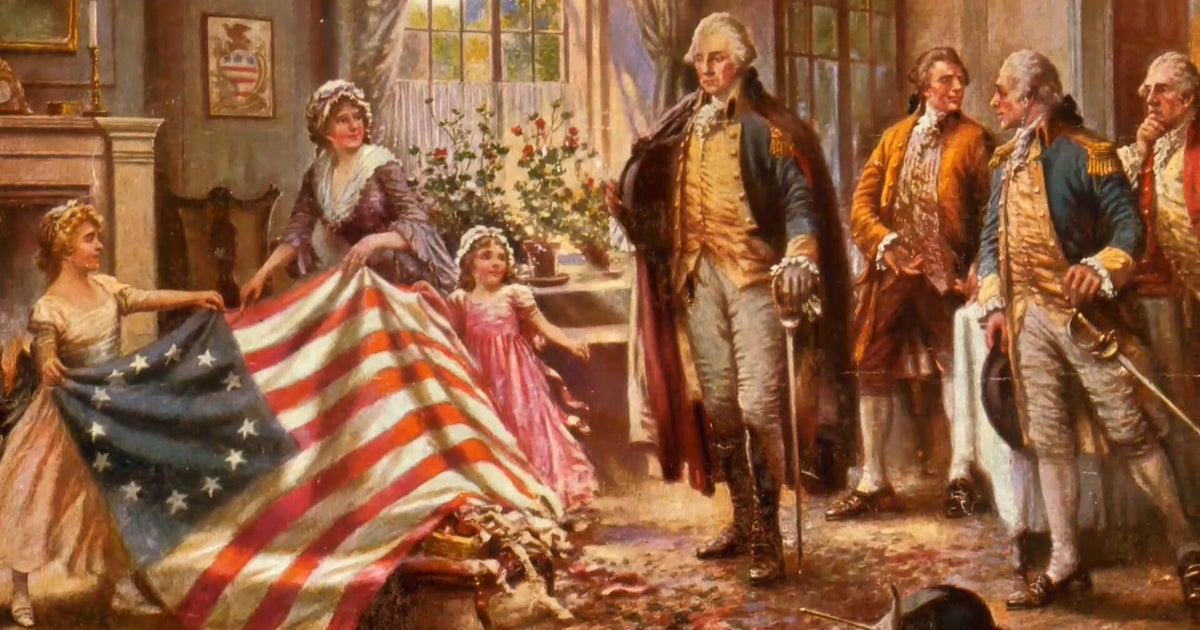
A Revolutionary War soldier, whose remains were discovered in a Maryland farm field in 2022, has been identified through advanced forensic DNA analysis, marking a significant milestone in historical recovery efforts. The soldier, who died in 1780, was identified by a team of researchers who hope the project will serve as a framework for identifying other unidentified service members from the conflict. The identification process involved a combination of genealogical research, historical records, and cutting-edge laboratory techniques.
The remains were originally located on private property in Anne Arundel County, Maryland. Following the discovery, the Maryland Historical Trust and the Office of the State Archaeologist coordinated the recovery of the site. The soldier was found with military buttons that helped narrow the timeline of his death to the Revolutionary War period, specifically near the year 1780. The site was carefully excavated to preserve any associated artifacts that could assist in the identification process.
The Science of Identification
The identification process was spearheaded by the U.S. Army Medical Readiness Command and the Armed Forces Medical Examiner System. Because traditional DNA samples from remains that are over two centuries old are often degraded, scientists utilized specialized extraction methods to pull genetic material from bone fragments. This material was then compared against family trees reconstructed through genealogical databases.

The effort was not solely a laboratory endeavor. Historians cross-referenced the genetic findings with military rolls, pension records, and local historical documentation. By aligning the DNA profile with the geographical location of the discovery and the period-specific uniform buttons, researchers were able to confirm the soldier’s identity. This case represents an application of modern forensic science to a cold case.
Historical Significance and the 250th Anniversary
This discovery gains particular relevance as the United States approaches the 250th anniversary of the Revolutionary War. For many historians, the ability to name a soldier who died in obscurity provides a human connection to the broader conflict. The identification process is viewed as a way to honor the service of those who have remained anonymous for generations.
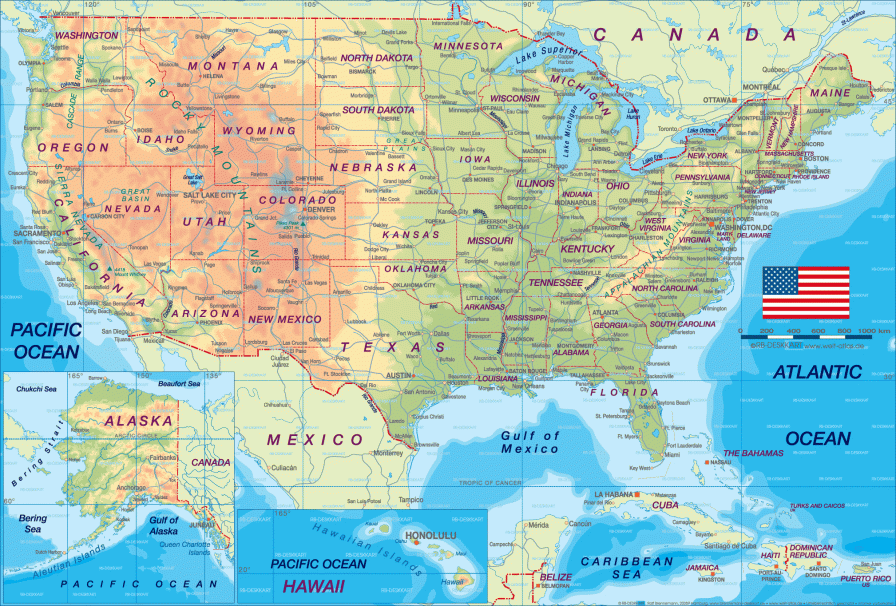
The project has drawn praise, with some viewing the success as a model for future recovery efforts. As more families participate in public genealogical databases, the pool of available DNA for comparison grows, potentially allowing researchers to identify other remains held in institutional collections. Identifying individual soldiers helps provide closure and historical accuracy to the narrative of the war.
Challenges in Forensic Archaeology
Despite the success of this identification, forensic archaeologists note that naming Revolutionary War soldiers remains a difficult task. Many soldiers were buried in unmarked graves or in field conditions that did not facilitate the preservation of remains. Furthermore, the lack of extensive genetic records from the 18th century means that researchers often have to rely on indirect evidence and extensive historical detective work.
The team involved in the Maryland discovery stated that they intend to continue their work, applying the same rigorous standards to other unidentified remains recovered from the state. The process is time-consuming and expensive, requiring coordination between state, federal, and academic entities. The project serves as a “gift to the whole country” by restoring the names of individuals who fought for independence.
Future Developments
The remains are currently under the stewardship of the appropriate authorities, with plans for a formal burial or commemoration to be announced in the future. The U.S. Army indicated that they are working closely with the descendants of the soldier to ensure the family’s wishes are respected regarding the final disposition of the remains.

The successful identification of this soldier underscores the evolving intersection of history and science. By utilizing modern technology to bridge the gap of 250 years, researchers are ensuring that the stories of individual soldiers are not lost to time.
We welcome your thoughts on this intersection of technology and history. Please share your comments below to contribute to the discussion on how we honor those who served in the American Revolution.