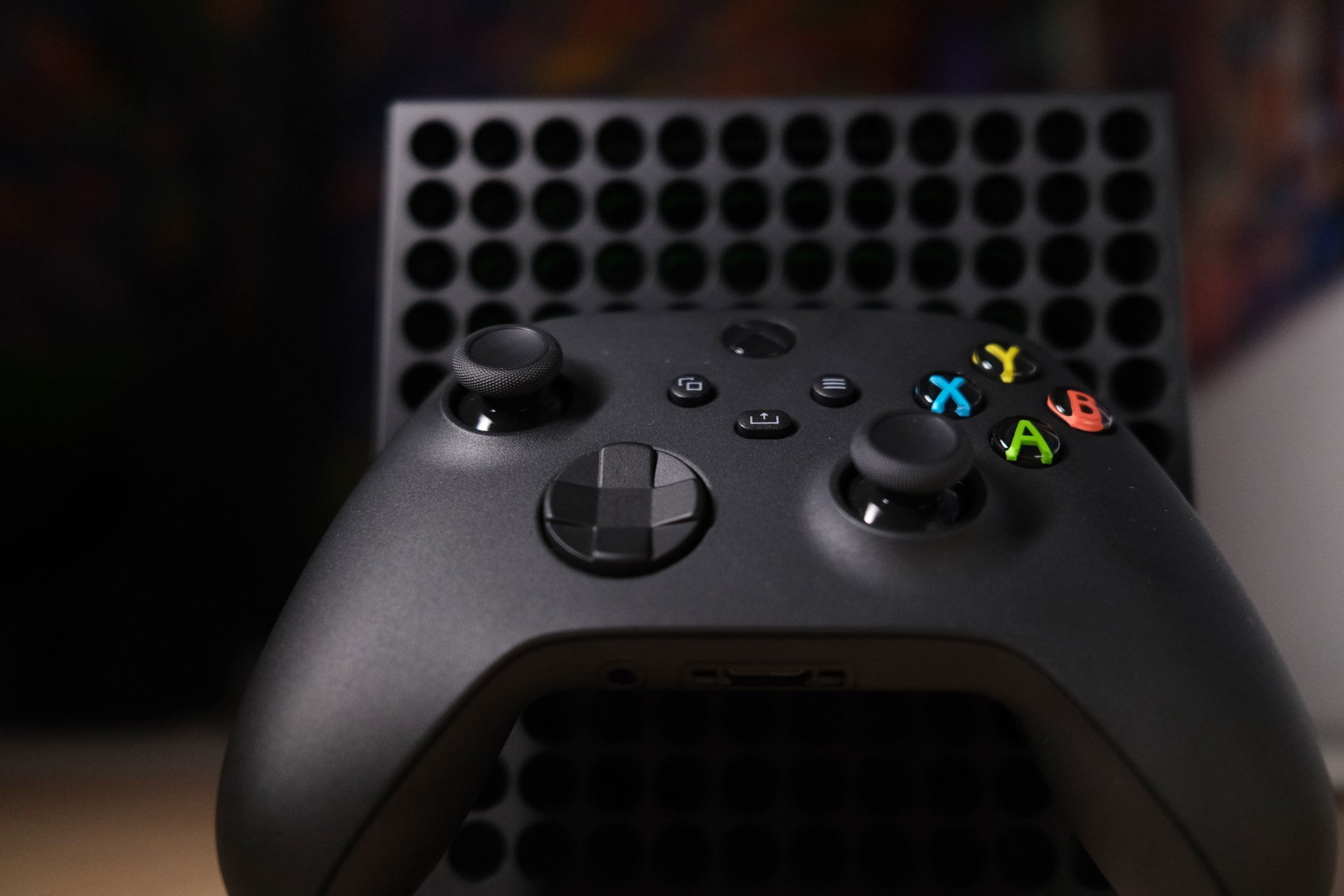
The Shift to Digital-Only Gaming Consoles: Ownership and Cost Concerns
Major gaming hardware manufacturers, including Sony and Microsoft, are increasingly shifting toward digital-only console models to reduce production costs and increase software margins. While these consoles offer a sleeker design and often lower entry prices, consumers cite concerns over game ownership, the loss of the secondary resale market, and a total dependence on high-speed internet for software access.
The industry transition is highlighted by the release of hardware like the Xbox Series S and the recently announced PlayStation 5 Pro, the latter of which launches without an internal disc drive. According to official product specifications from Sony Interactive Entertainment, the PS5 Pro is a digital-only console, though it supports an optional, separately sold Ultra HD Blu-ray disc drive for users who maintain physical libraries.
This move reflects a broader strategic shift toward “Games as a Service” (GaaS) and digital storefronts. By removing physical media, manufacturers eliminate the costs associated with disc drive hardware and physical distribution logistics. However, this shift creates a tension between corporate efficiency and consumer rights, specifically regarding the ability to buy, sell, and preserve games independently of a centralized server.
Why Manufacturers Are Removing Disc Drives
Digital-only consoles allow companies to capture a higher percentage of software revenue. When a consumer buys a physical disc from a third-party retailer, the retailer takes a cut of the profit. Digital purchases made through the PlayStation Store or the Microsoft Store allow the platform holder to keep a larger share of the transaction. Furthermore, digital ecosystems facilitate the sale of microtransactions and subscription services, such as Xbox Game Pass, which incentivize a permanent online connection.

Hardware costs also play a role. Disc drives are mechanical components prone to failure and require significant internal space. Removing them allows for smaller chassis designs and reduces the bill of materials for the manufacturer. For the consumer, this often manifests as a lower initial purchase price for “Digital Edition” consoles, though this saving is offset by the inability to shop for discounted used games.
The Debate Over Digital Ownership
A primary point of contention for gamers is the legal distinction between owning a physical copy and possessing a digital license. According to the Terms of Service for both the PlayStation Network and Xbox Network, users do not “own” digital content in the traditional sense; instead, they purchase a non-transferable license to access the software.
This licensing model means that if a storefront closes or a publisher revokes a license, the consumer may lose access to the game entirely. Physical media provides a safeguard against this, as the data resides on a disc in the user’s home. This has led to a resurgence in interest in game preservation, with organizations like The Video Game History Foundation arguing that the move to digital-only formats threatens the historical record of the medium.
The loss of the secondary market is another economic blow to the consumer. Physical discs can be traded, sold, or rented. Digital licenses cannot. This eliminates the “used game” economy, forcing consumers to pay the current storefront price or wait for official digital sales.
Technical Requirements and Infrastructure Hurdles
The transition to digital-only gaming places a heavy burden on internet infrastructure. Modern “AAA” game titles frequently exceed 100 gigabytes in size. For users with data caps or slow connection speeds, downloading these files is significantly slower than installing them from a disc, which often contains the bulk of the game’s data.
While some discs still require a large “day one” download for updates, the physical medium remains a faster primary delivery method for many. Additionally, digital-only consoles rely entirely on the availability of server uptime. If a platform’s authentication servers go offline, users may be unable to launch their games, even those they have fully downloaded to their internal SSDs.
Storage capacity remains a critical bottleneck. To compensate for the lack of discs, manufacturers have integrated high-speed NVMe SSDs, but these fill up quickly. Both Sony and Microsoft support the addition of internal M.2 SSDs to expand storage, but this requires additional investment from the user.
Comparing Physical vs. Digital Console Ecosystems
| Feature | Physical Disc Consoles | Digital-Only Consoles |
|---|---|---|
| Initial Cost | Typically higher | Typically lower (or specialized) |
| Game Ownership | Physical possession of media | License to access content |
| Resale Value | Can be sold or traded | No resale value |
| Installation Speed | Mixed (Disc + Download) | Full download required |
| Hardware Footprint | Larger due to disc drive | More compact design |
The Impact on Next-Gen Console Pricing
As the industry moves toward the next generation of hardware, pricing is becoming a focal point for consumers. The introduction of high-end, digital-only hardware—such as the PS5 Pro’s $699.99 price point—suggests that manufacturers are targeting “power users” who are already integrated into digital ecosystems. This pricing strategy shifts the cost burden toward the consumer while maintaining high margins for the producer.

Some consumers have indicated they are unwilling to upgrade to next-generation hardware if the cost is too high or if the removal of physical media is mandatory. This creates a market divide: a segment of the population that prioritizes convenience and cutting-edge specs, and a segment that prioritizes ownership and cost-efficiency through the used game market.
The industry’s direction seems clear, but the speed of the transition depends on consumer adoption. As long as a significant portion of the market demands physical media for preservation and resale, manufacturers will likely continue to offer “disc” versions, albeit as premium options.
The next major checkpoint for the industry will be the official hardware announcements and pricing structures for the next iteration of Xbox hardware, which are expected to further clarify Microsoft’s stance on physical media. Users can monitor official press releases from Xbox Wire for updates on future hardware specifications.
Do you still prefer physical discs, or have you fully transitioned to a digital library? Share your thoughts in the comments below.