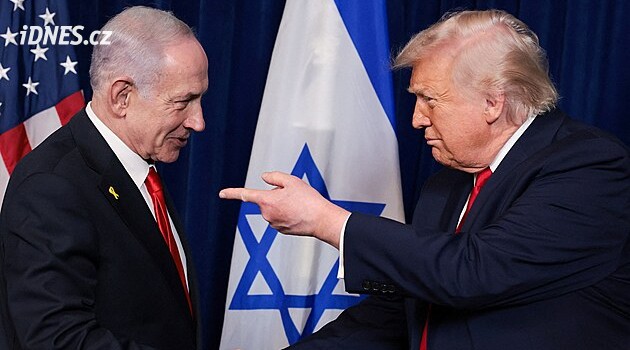
President-elect Donald Trump stated that Israeli Prime Minister Benjamin Netanyahu “knows who’s boss” following a recent telephone conversation, as the two leaders coordinate on Middle East strategy ahead of Netanyahu’s planned visit to the United States. The communication signals an early effort to realign U.S.-Israel relations as the United States prepares for a transition in leadership.
The exchange occurs while Israel continues military operations in the Gaza Strip and southern Lebanon. According to reports from various international news outlets, the phone call focused on the security situation in the Middle East and the shared goal of countering Iranian influence in the region. The interaction marks a return to the direct diplomatic channel that characterized much of Trump’s first term in office.
Netanyahu is expected to travel to the U.S. to meet with Trump in person. The visit is intended to solidify the strategic partnership between the two leaders and discuss the long-term trajectory of the conflict in Gaza and the ongoing tensions with Hezbollah. This meeting comes as the Trump transition team begins outlining a foreign policy framework that is expected to diverge significantly from the current administration’s approach to the region.
What was discussed in the Trump-Netanyahu phone call?
During the telephone conversation, President-elect Donald Trump and Prime Minister Benjamin Netanyahu discussed the current security landscape in the Middle East. According to reports on the interaction, the discussion centered on the necessity of a decisive victory against Hamas and the containment of Iranian proxies. The phrase “he knows who’s boss,” attributed to Trump, reflects the assertive dynamic the President-elect maintains regarding his influence over foreign leaders and his expectations for the alliance.

The call follows a period of fluctuating relations between the two men. While Trump’s first presidency saw the Abraham Accords, which normalized relations between Israel and several Arab nations, the relationship cooled toward the end of his term. The recent communication suggests a reset of that partnership, with both leaders emphasizing a shared vision for regional stability based on strength and deterrence.
Israeli officials have indicated that the conversation was “productive” and “warm,” focusing on the continuity of U.S. support for Israel’s security needs. The transition toward a Trump administration is seen by the Israeli government as an opportunity to reduce pressure regarding civilian casualties in Gaza and to secure more flexibility in military operations.
When is Benjamin Netanyahu visiting the United States?
While a specific date has not been officially finalized by the White House transition team or the Israeli Prime Minister’s Office, Netanyahu is expected to visit the U.S. in the coming weeks. The primary objective of the trip is a face-to-face meeting with Donald Trump to coordinate policy before the formal inauguration on January 20, 2025.
The visit is likely to include meetings with other members of the incoming administration and key congressional leaders. According to diplomatic sources, the agenda will likely cover the following points:
- The definition of a “day after” plan for the governance of Gaza.
- U.S. military aid packages and the provision of advanced defense systems.
- A coordinated strategy to prevent Iran from achieving nuclear weapons capability.
- The expansion of normalization agreements with other regional partners.
This visit is strategically timed to ensure that the incoming administration is aligned with Israel’s security objectives before the official handover of power. It also allows Netanyahu to gauge the specific demands Trump may have regarding the timeline for ending the conflict in Gaza.
How will a Trump presidency change U.S.-Israel policy?
A second Trump administration is expected to return to a policy of “maximum pressure” on Iran, a strategy that involves severe economic sanctions and diplomatic isolation. This approach contrasts with the Biden administration’s attempts to negotiate a return to the Joint Comprehensive Plan of Action (JCPOA) or find a diplomatic middle ground to limit Iran’s enrichment activities.

Regarding the conflict in Gaza, analysts suggest that Trump may provide Israel with more latitude in its military campaign than the current administration. However, Trump has also expressed a desire for the conflict to end quickly, citing the negative global imagery resulting from the war. According to statements made during his campaign, Trump has urged Israel to “get it over with” and “get back to peace,” suggesting a potential push for a rapid conclusion to the hostilities.
The shift in leadership is also expected to impact the status of the Palestinian Authority. During his first term, Trump moved the U.S. embassy to Jerusalem and recognized Israeli sovereignty over the Golan Heights. These actions, which were viewed as highly supportive of the Netanyahu government, are likely to be reinforced or expanded upon in a second term.
Comparing the Trump and Biden approaches to Israel
The difference in diplomatic style and strategic priorities between the Biden and Trump administrations provides a clear contrast in how the U.S. manages its relationship with Israel. While both administrations maintain that Israel has a right to defend itself, their methods of execution differ.

The Biden administration has frequently balanced its support for Israel with public calls for humanitarian pauses, the protection of civilians, and a commitment to a two-state solution. In contrast, the Trump approach focuses more on bilateral strength and the marginalization of Palestinian leadership in negotiations. The Abraham Accords serve as the primary precedent for Trump’s strategy: prioritizing normalization between Israel and Sunni Arab states over the traditional focus on the Israeli-Palestinian conflict.
Furthermore, the personal chemistry between the leaders plays a significant role. The relationship between Biden and Netanyahu has been characterized by public disagreements over the post-war governance of Gaza. The recent “boss” comment from Trump suggests a relationship based on a different power dynamic—one where Trump views himself as the primary arbiter of the relationship, while Netanyahu seeks a powerful patron in the White House.
What happens next for U.S.-Israel relations?
The immediate focus now shifts to the formalization of Netanyahu’s visit to the United States. This visit will serve as the blueprint for the security architecture of the next four years. Observers will be watching for any joint statements regarding the “red lines” for Iranian activity and the specific conditions under which the U.S. will continue to provide military support for the Gaza operations.
The next confirmed checkpoint will be the official announcement of the meeting date and the subsequent release of a joint communiqué following the Trump-Netanyahu summit. This meeting will likely precede the official inauguration, setting the stage for the first official acts of the new administration regarding the Middle East.
We invite our readers to share their perspectives on the evolving U.S.-Israel alliance in the comments below. For further updates on global geopolitics, please share this report.