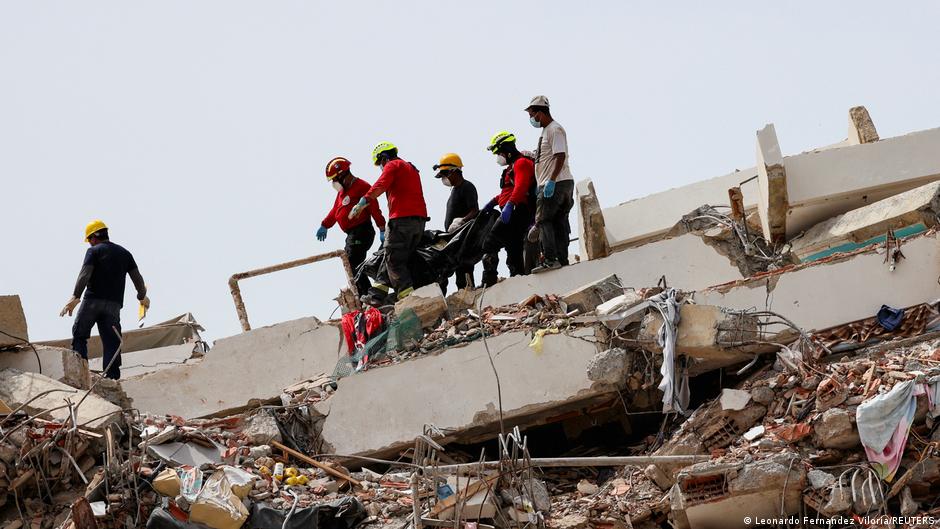
Residents in La Guaira, Venezuela, have escalated tensions following a devastating earthquake that left thousands displaced and raised concerns over inadequate relief efforts, according to multiple verified reports. The 5.4-magnitude quake struck the coastal city on May 22, 2024, collapsing buildings and triggering landslides, with local authorities confirming at least 22 fatalities and over thousands of people displaced. Protests erupted as displaced families gathered in makeshift camps, demanding faster access to shelter, food, and medical care.
The disaster has exacerbated Venezuela’s ongoing humanitarian crisis, compounded by years of economic collapse and political instability. La Guaira, a key port city, saw historic structures reduced to rubble, with drone footage revealing entire neighborhoods flattened. “We’ve been living in tents for over a week, and the government hasn’t provided basic necessities,” said María López, a resident whose home was destroyed. “Every day, we fear another collapse.”
Earthquake Devastates La Guaira
The earthquake, centered near La Guaira’s La Pastora district, triggered widespread panic as buildings crumbled and roads cracked. The epicenter’s proximity to densely populated areas intensified the damage, with at least 300 structures reported collapsed or severely damaged.

Local media and international outlets documented scenes of chaos, with residents scrambling to rescue survivors from debris. The Red Cross launched emergency operations, distributing water, blankets, and temporary shelters, but aid distribution has been hindered by poor infrastructure and logistical challenges. “The scale of the destruction has overwhelmed our resources,” said spokesperson Ana Martínez. “We’re working around the clock, but more support is urgently needed.”
The quake also disrupted critical infrastructure, including power grids and water supplies. The Venezuelan energy ministry reported that a large portion of La Guaira’s electricity was offline, while the water utility stated that many residents lacked access to clean water. These breakdowns have further strained the population, with many relying on informal networks for survival.
Protests Erupt Over Housing and Aid
Tensions reached a boiling point on May 27 as displaced families gathered in La Guaira’s central square, demanding accountability from the government. Protesters carried signs reading “No More Silence” and “Aid Now,” while chanting slogans against what they described as systemic neglect. “The government has ignored us for years,” said Carlos Fernández, a local activist. “Now, when we need help most, they’re absent.”
Authorities responded by deploying security forces to disperse the crowd, but the situation remained tense. A May 28 report noted that the National Guard arrested at least 15 protesters, citing “public disorder.” However, human rights groups have criticized the crackdown, with Amnesty International calling for an independent investigation into the use of force. “These actions risk further alienating an already vulnerable population,” said spokesperson Laura Gómez.
The protests highlight broader frustrations with Venezuela’s leadership, which has faced criticism for its handling of the country’s economic and social crises.
International Response and Concerns
The international community has urged Venezuela to prioritize aid distribution and transparency. The United Nations Office for the Coordination of Humanitarian Affairs (OCHA) released a statement on May 29, calling for “immediate access to affected areas” and warning of a potential “health emergency” due to contaminated water and overcrowded shelters. OCHA also highlighted the risk of disease outbreaks, citing past disasters in the region.

Neighboring countries have offered assistance, with Colombia’s government sending medical teams and supplies. Brazil and Mexico have also pledged support, though the Maduro administration has been cautious about accepting foreign aid
=== END ARTICLE ===