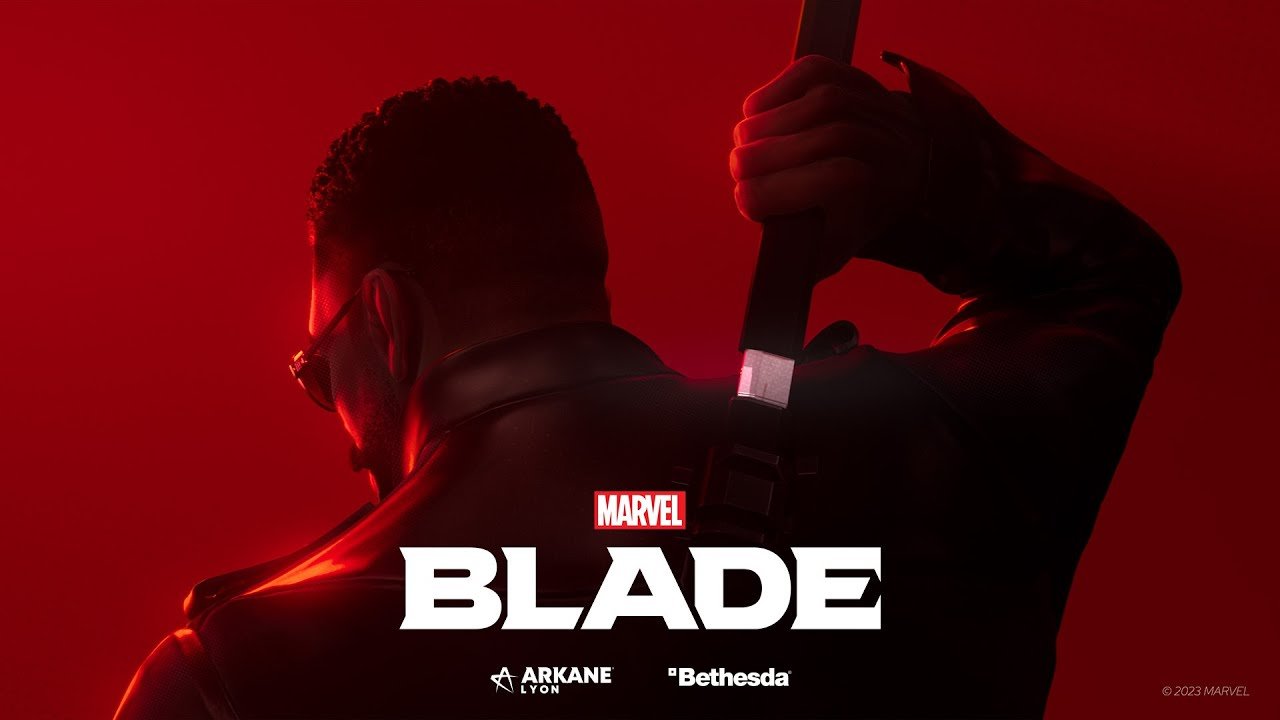
Microsoft is currently navigating a significant restructuring of its Xbox division, a process marked by studio closures and project cancellations that has prompted intense internal and external scrutiny regarding the company’s long-term gaming strategy. As the tech giant works to consolidate its gaming assets, reports of a potential shift in leadership and operational direction have emerged, offering a glimmer of hope for studios like Arkane, which have been impacted by the recent wave of layoffs and reorganization.
Understanding the Xbox Restructuring
The current turbulence at Xbox follows a series of high-profile decisions, including the closure of several ZeniMax studios and the cancellation of various projects under the Microsoft Gaming umbrella. According to reporting from Le Figaro, these moves are part of a broader “reset” aimed at optimizing the division’s performance in a highly competitive market. The restructuring, which began in early 2024, has resulted in significant workforce reductions across Bethesda, Arkane Austin, and Alpha Dog Games, as confirmed by official company communications regarding their internal alignment.

For stakeholders and players, the primary question remains how these changes affect the creative independence of established developers. While the company has emphasized a focus on core franchises, industry analysts note that the consolidation reflects a shift toward centralized management. This transition has not been without friction, as evidenced by internal discussions regarding the influence of social media sentiment on executive decision-making processes.
Leadership Dynamics and Internal Culture
A central point of discussion among employees and industry observers involves the management style of recent leadership appointments, including figures such as Asha Sharma, who serves as Corporate Vice President of Gaming Experiences and Platforms. Reports from Gamekult have highlighted concerns among staff regarding the perceived weight given to public discourse—specifically on platforms like X (formerly Twitter)—when shaping development roadmaps. This “management by social media” approach has reportedly created tension within the organization, as teams balance long-term creative goals with immediate public pressure.

The debate over whether leadership is becoming too reactive to external criticism underscores a larger, ongoing challenge for Microsoft: how to integrate its massive library of studios while maintaining the distinct cultural identities that made them successful in the first place. For studios like Arkane, the path forward appears to rely on a recalibration of how these teams interact with the broader Xbox hierarchy.
Is There a Future for Arkane Studios?
Despite the closure of Arkane Austin, the future of the remaining Arkane teams—specifically Arkane Lyon—remains a subject of intense speculation. Recent reports suggest that a change in internal management priorities could provide a reprieve for studios that have historically delivered high-critical-acclaim titles. As noted by Gamekyo, there is optimism that shifting the focus back to core competencies, rather than reacting to shifting market trends, could stabilize the studio’s output.

The stability of these studios is not merely a matter of internal policy but a reflection of Microsoft’s commitment to its subscription-based model, Xbox Game Pass. By streamlining its portfolio, the company aims to ensure that its most valuable intellectual properties receive the resources necessary for long-term viability. Investors and fans are looking toward the next quarterly earnings call and official developer showcases for clarity on which projects will receive continued funding and which will be deprioritized.
What Happens Next?
The next major checkpoint for the Xbox division will be the upcoming Microsoft gaming showcase, where the company is expected to provide updates on its development pipeline and long-term strategy for its first-party studios. This event will likely serve as a litmus test for whether the current restructuring has successfully stabilized the organization or if further changes are required.
As the situation continues to evolve, the impact of these organizational shifts on the broader video game industry remains a critical story. Readers interested in following these developments can monitor official updates from the Xbox Wire blog for verified information regarding future project timelines and studio roles. We encourage readers to share their thoughts and perspectives on the future of Xbox in the comments section below.