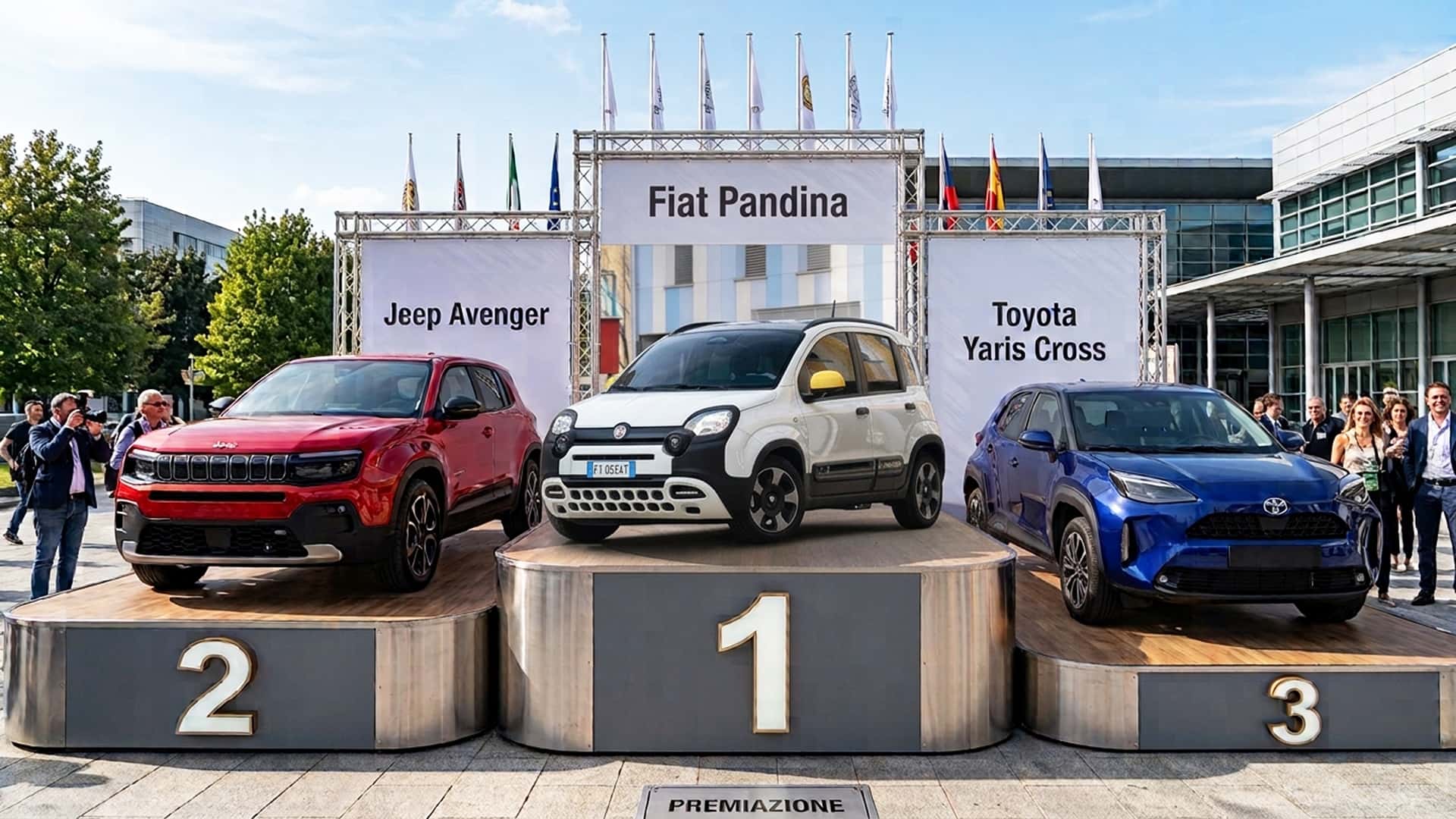
The Italian automotive market experienced a notable shift in consumer preference during the first half of 2026, as hybrid electric vehicles (HEVs) solidified their position as a preferred choice for buyers navigating evolving emissions regulations and government incentive programs. According to official registration data from the Unione Nazionale Rappresentanti Veicoli Esteri (UNRAE), hybrid technology—specifically full-hybrid and mild-hybrid configurations—maintained a dominant share of the domestic market, bolstered by successive rounds of state-funded purchase incentives designed to accelerate the fleet renewal process.
For the period between January and June 2026, the market trend reflected a dual reality: while traditional internal combustion engines continue to see a gradual decline, hybrid models have become the primary bridge for Italian motorists transitioning away from diesel and gasoline-only vehicles. This segment’s growth is supported by a mix of regulatory pressures and the expansion of manufacturer portfolios, which now prioritize high-efficiency, lower-emission powertrains to meet European Union fleet average CO2 targets.
Market Dynamics and the Rise of Hybrid Adoption
The consistent performance of hybrid vehicles in Italy is largely attributed to their versatility and the availability of financial support. As reported by the Ministero delle Imprese e del Made in Italy, the government’s recent incentive packages have been structured to favor vehicles with lower CO2 emissions, directly benefiting the hybrid segment. These financial measures are intended to stimulate demand while simultaneously addressing the aging average age of the Italian vehicle fleet, which remains among the oldest in Western Europe.

Data from the Automobile Club d’Italia (ACI) indicates that the adoption of hybrid systems—ranging from mild-hybrid (MHEV) to full-hybrid (HEV)—has provided a pragmatic solution for urban commuters who face growing restrictions in city centers. Unlike battery electric vehicles (BEVs), which require a more robust charging infrastructure that is still under development in many parts of the country, hybrids offer the fuel efficiency of electrification without the range anxiety often cited by prospective buyers.
Key Performers in the Hybrid Segment
Market leaders during the first six months of 2026 have remained consistent with long-term trends, with domestic and European manufacturers securing the top spots. The Fiat Panda remains a pillar of the Italian market, consistently ranking as the best-selling hybrid vehicle due to its competitive pricing and established service network. Following closely are models from Toyota, which has long utilized its proprietary full-hybrid technology to maintain a significant footprint in the Italian market, and various offerings from the Renault Group and Ford.
The influx of new models, including mild-hybrid variants from premium German manufacturers like BMW, has also influenced the market dynamics. As documented in the UNRAE monthly registration reports, these additions to the segment cater to a demographic that seeks both the tax benefits associated with hybrid status and the performance characteristics of luxury vehicles. The diversification of the hybrid offering—from city cars to SUVs—has allowed the technology to penetrate multiple market tiers simultaneously.
What Happens Next: Regulatory and Infrastructure Updates
The outlook for the remainder of 2026 remains tied to the exhaustion of state incentive funds and the broader economic climate in the Eurozone. According to the European Parliament’s ongoing legislative framework regarding the “Fit for 55” package, manufacturers are under increasing pressure to phase out non-electrified powertrains. For Italian consumers, this means that the availability of incentives will likely fluctuate based on the remaining budget allocations managed by the government.

The next major checkpoint for the industry will occur in the third quarter of 2026, when official registration data for the full nine-month period is released. This report will provide further insight into whether the growth rate of hybrid vehicles can be sustained without the constant support of state subsidies. Interested stakeholders, including prospective buyers and industry analysts, can monitor the UNRAE statistical database for monthly updates on registration trends and market share fluctuations.
As the automotive sector continues its transition, the role of hybrid vehicles as a transitional technology appears cemented for the near term. Whether this momentum will shift toward fully electric vehicles in 2027 depends heavily on the pace of infrastructure deployment and the future evolution of government fiscal policy. Readers are encouraged to share their experiences with hybrid vehicle ownership or discuss the impact of current market incentives in the comments section below.