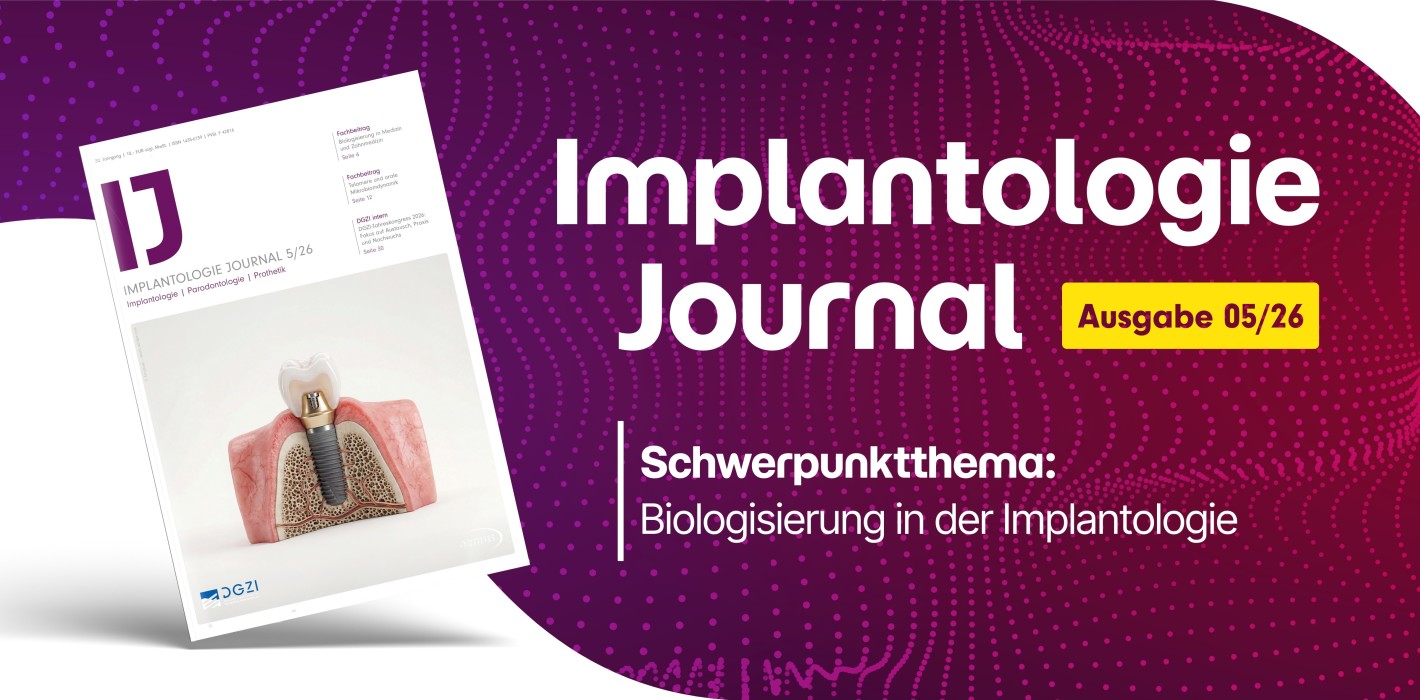
Biologization in implantology is the integration of biological agents, such as growth factors and stem cells, into dental implant procedures to improve osseointegration and soft tissue healing. According to recent clinical frameworks in regenerative medicine, this approach moves beyond traditional mechanical stability to actively stimulate the body’s natural healing response at the molecular level.
The shift toward biological enhancement aims to reduce implant failure rates, particularly in patients with compromised bone density or systemic health issues like diabetes. By utilizing bioactive materials, clinicians can potentially accelerate the loading time of implants and improve the long-term prognosis of the peri-implant mucosa.
Current research focuses on the application of Platelet-Rich Fibrin (PRF) and Bone Morphogenetic Proteins (BMPs) to create a more conducive environment for bone growth. These biological additives are often combined with traditional grafting materials to enhance the regenerative capacity of the alveolar ridge.
How does biologization improve dental implant success?
Biologization improves success by addressing the biological gap between the synthetic implant surface and the living host tissue. Traditional implants rely on osseointegration, where bone grows into the surface of the titanium or zirconia. Biologization introduces signaling molecules that “recruit” osteoblasts—the cells responsible for bone formation—to the site more efficiently.
The use of autologous concentrates, such as PRF, provides a scaffold of fibrin and a slow release of growth factors. According to the National Center for Biotechnology Information (NCBI), these concentrates can enhance wound healing and reduce postoperative inflammation, which is critical for preventing early implant loss.
Furthermore, the biologization of the “soft tissue seal” is a primary goal for preventing peri-implantitis. By stimulating the growth of a dense connective tissue barrier around the implant neck, clinicians can better protect the underlying bone from bacterial infiltration.
What materials are used in biological implantology?
The materials used in this field are categorized into autologous concentrates, synthetic growth factors, and bioactive coatings.
- Platelet-Rich Fibrin (PRF): A second-generation concentrate produced from the patient’s own blood without adding anticoagulants. It acts as a natural reservoir of growth factors.
- Growth Factors: Specifically, recombinant human Bone Morphogenetic Protein-2 (rhBMP-2) is used to induce bone formation in areas with severe atrophy.
- Bioactive Surfaces: Implants are now being engineered with hydroxyapatite coatings or laser-etched surfaces that mimic the mineral composition of natural bone to encourage faster cellular attachment.
The integration of these materials is often managed through “guided bone regeneration” (GBR). In GBR, a membrane is used to prevent fast-growing soft tissue from invading the bone graft area, allowing the slower-growing bone cells to populate the site under the influence of biological stimulants.
Who benefits most from biological enhancements?
Patients with “compromised ridges”—areas where significant bone loss has occurred due to trauma, infection, or long-term tooth absence—see the most significant benefit. In these cases, traditional implants may lack the primary stability required for success.
Systemic conditions also play a role. Patients with uncontrolled diabetes or those undergoing radiotherapy for head and neck cancers often exhibit impaired healing capacities. Biologization attempts to compensate for these systemic deficiencies by providing the necessary biochemical signals that the patient’s body may be unable to produce in sufficient quantities.
Additionally, smokers are often candidates for biologized protocols. Because nicotine impairs blood flow and slows the healing process, the application of growth factors can help mitigate the increased risk of implant failure associated with tobacco use.
What are the risks and limitations of biologization?
While the results are promising, biologization is not without challenges. The primary concern is the standardization of autologous concentrates. Because PRF is derived from the patient’s own blood, the concentration of growth factors varies based on the patient’s age, health, and the specific centrifuge settings used by the clinician.
There are also regulatory and cost considerations. Synthetic growth factors like BMPs are significantly more expensive than traditional grafting materials and are subject to strict regulatory oversight due to potential side effects, such as ectopic bone formation (bone growing in unintended areas) if not applied precisely.
Clinical consensus suggests that biologization should be viewed as a supplement to, not a replacement for, sound surgical technique and proper implant positioning. No amount of biological stimulation can compensate for an implant placed in a poor mechanical position.
| Feature | Traditional Implantology | Biologized Implantology |
|---|---|---|
| Primary Focus | Mechanical Stability | Biological Integration |
| Healing Process | Passive (Host-driven) | Active (Stimulated) |
| Material Base | Titanium/Zirconia + Bone Graft | Titanium/Zirconia + Bioactive Agents |
| Target Patient | General Population | High-risk/Compromised Bone |
What happens next for regenerative dentistry?
The next phase of development involves “smart implants” that can release antimicrobial agents or growth factors in response to specific triggers, such as a change in pH indicating the onset of an infection. Research is also expanding into the use of mesenchymal stem cells (MSCs) to fully regenerate lost alveolar bone and periodontal ligaments.
Clinicians are encouraged to monitor updated guidelines from the International Team for Implantology (ITI) and peer-reviewed literature regarding the long-term stability of biologized sites compared to traditional methods.
Readers interested in the latest clinical protocols should consult their dental surgeon regarding the availability of PRF or bioactive grafting options for their specific case.
Do you have experience with biological enhancements in dental surgery? Share your thoughts or questions in the comments below.