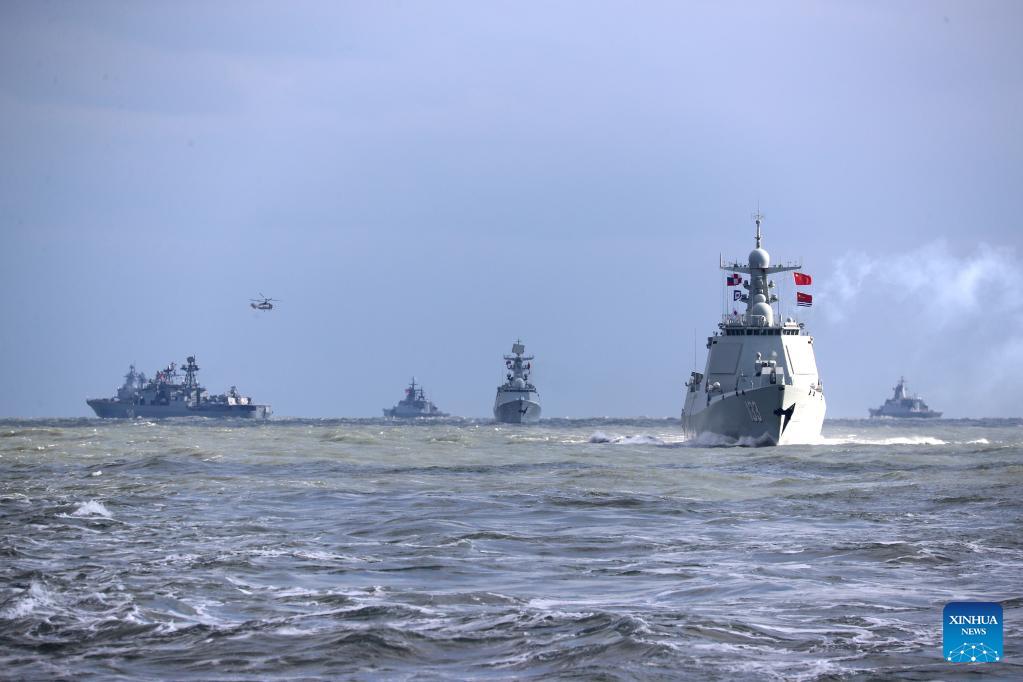
The Russian and Chinese navies are scheduled to conduct joint maritime exercises and patrols this month, a move that reinforces the deepening military cooperation between the two nations. These maneuvers, categorized under the “Joint Sea” series, involve coordinated naval drills and aerial surveillance operations in designated areas, according to official statements from the Russian Ministry of Defense. The Russian Ministry of Defense confirmed that the exercises are part of a broader plan for military collaboration, aimed at strengthening regional security and enhancing interoperability between the two fleets.
As the editor of the World section here at World Today Journal, I have spent over 14 years analyzing the shifts in global security architectures. This latest deployment is not an isolated incident; it follows a consistent pattern of bilateral training exercises that have expanded in scope and complexity since the strengthening of the Russia-China “no limits” partnership. These exercises typically involve live-fire drills, anti-submarine warfare simulations, and joint search-and-rescue operations.
Operational Goals and Regional Presence
The primary objectives of these joint naval operations include testing the combat readiness of both navies and refining communication protocols during high-stakes maritime maneuvers. According to reports from the Russian Defense Ministry, the exercises are designed to counter maritime threats and ensure stability in the Pacific region. While the specific coordinates of the exercise zones are often kept within international waters, these patrols frequently traverse sensitive areas, drawing close attention from regional neighbors and Western defense analysts.

Military cooperation between Moscow and Beijing has evolved significantly over the past decade. What began as basic goodwill visits has transformed into complex strategic drills. These operations serve as a visible signal of the alignment between the Kremlin and Beijing, particularly at a time when both nations face increasing geopolitical friction with the United States and its regional allies. The integration of naval assets, including destroyers, frigates, and support vessels, reflects a high level of operational synchronization.
Historical Context of ‘Joint Sea’ Maneuvers
The “Joint Sea” exercises were established in 2012 as a cornerstone of the bilateral military relationship. Since their inception, these drills have been held annually, rotating between the waters of the Pacific and the Baltic or Mediterranean seas. These exercises serve as a platform for both navies to project power and demonstrate their capability to operate in tandem across diverse geographic environments. The Center for Strategic and International Studies has noted that these exercises are vital for both nations to maintain logistical readiness and to refine their command-and-control structures in a joint environment.

Beyond the tactical benefits, the political messaging of these patrols is clear. By conducting joint patrols near key maritime chokepoints, Russia and China aim to demonstrate that their military reach is not curtailed by external pressures. For Moscow, the partnership provides a strategic outlet while its resources are heavily committed to the conflict in Ukraine. For Beijing, the collaboration offers a partner with extensive experience in naval warfare and long-range power projection.
Regional Reactions and Strategic Implications
The proximity of these exercises to coastal regions often triggers monitoring efforts from neighboring states, including Japan and South Korea. Defense ministries in the region regularly scramble surveillance aircraft and deploy naval vessels to monitor the movements of the Russian-Chinese flotilla. These reactions underscore the sensitivity of the maritime domain in the Pacific, where territorial disputes and broader strategic rivalries remain a constant feature of the security landscape.
According to assessments by the U.S. Department of Defense, the deepening of the Russia-China military relationship is a primary concern for the United States, as it complicates the regional security environment and challenges the existing international order. The ability of the two nations to conduct complex, multi-day exercises in international waters indicates a persistent commitment to maintaining a robust, visible presence in the Pacific.
Future Developments
The conclusion of this month’s exercises will likely be followed by an official debriefing from both the Russian and Chinese ministries. These reports often provide the most detailed look at the specific capabilities tested, such as coordinated missile launches or anti-aircraft defense drills. As we look ahead, the frequency of these patrols is expected to remain high, serving as a barometer for the health and depth of the Russia-China defense pact.
We will continue to monitor official channels for updates regarding the specific vessels involved and the duration of the current mission. Readers interested in the technical aspects of these naval deployments can find regular updates through the official portals of the Chinese Ministry of National Defense. If you have insights or questions regarding the shifting maritime balance in the Pacific, please share your thoughts in the comments section below.