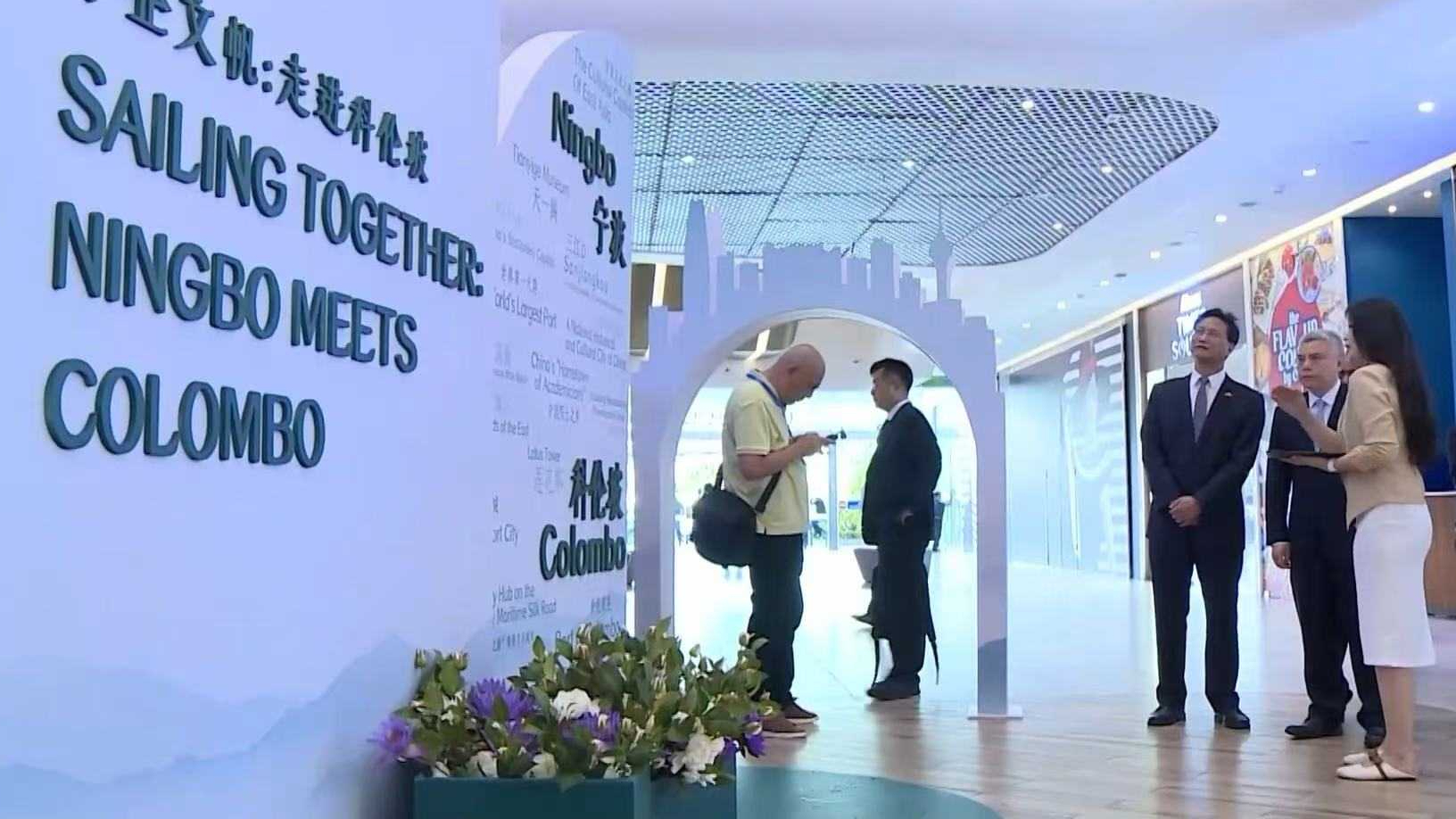
China is strengthening cultural and diplomatic ties with Turkey and Sri Lanka through a series of exchange programs focused on heritage conservation and urban development, according to official reports on the legacy of the Silk Road. These initiatives aim to synchronize modern infrastructure goals with the preservation of historical sites that once served as hubs for ancient trade between Asia and Europe.
The programs involve technical exchanges between Chinese urban planners and heritage experts and their counterparts in Ankara and Colombo. By centering these interactions on the “Silk Road” narrative, Beijing is leveraging shared history to support the broader diplomatic and economic framework of the Belt and Road Initiative (BRI), which seeks to enhance regional connectivity through infrastructure investment.
These cultural exchanges focus on the practical application of “heritage-led urban regeneration.” This approach attempts to balance the need for modern city expansion with the protection of archaeological sites, a challenge frequently cited in the development of ancient trade cities across Central Asia and the Mediterranean.
How China is using heritage conservation to build diplomatic ties
Beijing is utilizing “soft power” by framing its infrastructure projects not merely as economic ventures, but as a continuation of a historical legacy. According to official Chinese state media, the exchange events with Turkey and Sri Lanka are designed to foster mutual understanding through the lens of the Silk Road’s shared history. This strategy aligns with China’s goal of presenting the BRI as a “community of shared future” rather than a strictly commercial arrangement.

In Turkey, the focus has remained on the preservation of caravanserais and ancient trade routes that linked the East to the Byzantine and Ottoman empires. In Sri Lanka, the emphasis is placed on maritime heritage, specifically the ports and coastal settlements that facilitated trade between the Chinese mainland and the Indian Ocean. By providing technical expertise in conservation, China positions itself as a partner in protecting the sovereign history of these nations.
This approach is a response to criticisms that BRI projects sometimes overlook local environmental or cultural impacts. By integrating heritage conservation into the dialogue, China aims to mitigate local resistance and build a more favorable image among the intellectual and political elites of its partner countries.
What role does the Silk Road legacy play in urban development?
The “Silk Road” is not just a historical reference but a blueprint for what China calls “sustainable urbanism.” In the recent exchanges, Chinese experts shared methodologies for integrating ancient ruins into modern cityscapes without destroying the historical fabric. This involves creating “heritage corridors” that allow for tourism and economic growth while maintaining the integrity of the original structures.
For Sri Lanka, this is particularly relevant in the development of port cities and urban centers where colonial-era architecture meets ancient Buddhist sites. For Turkey, the challenge lies in the rapid urbanization of cities like Istanbul and Ankara, where Roman, Byzantine, and Ottoman layers often conflict with modern transportation needs. The exchange programs provide a platform for sharing “best practices” in archaeology-led planning.
According to the UNESCO guidelines on urban heritage, the integration of historical sites into living cities is essential for maintaining cultural identity. China’s focus on this specific area suggests a move toward more sophisticated diplomatic engagement that goes beyond the construction of bridges and railways to include the “curation” of shared history.
Why Turkey and Sri Lanka are key partners in this strategy
Turkey serves as the critical land bridge between Asia and Europe, making it the primary gateway for the “Middle Corridor” of the Silk Road. Strengthening cultural ties here ensures that the political will for infrastructure projects remains high despite shifting geopolitical alliances in the region. The shared interest in Silk Road history provides a neutral ground for cooperation between Ankara and Beijing.
Sri Lanka, located at the center of the Indian Ocean, is a strategic maritime node. After the high-profile challenges associated with the Hambantota Port, China is pivoting toward cultural and social investments to repair its image. By focusing on the conservation of heritage, Beijing is attempting to shift the narrative from “debt-trap diplomacy” to “cultural partnership.”
Both nations have historically been crossroads of civilization. By emphasizing this, China validates the importance of these countries in the global hierarchy, suggesting that their historical role as trade hubs is being restored in the modern era through Chinese partnership.
Comparing the cultural approach to the economic approach
While the economic arm of the Belt and Road Initiative focuses on hard assets—ports, railways, and power plants—the cultural arm focuses on “human-centric” connectivity. The difference is reflected in the goals of the programs:
- Economic Focus: Reducing transit times, increasing cargo capacity, and securing energy routes.
- Cultural Focus: Academic exchanges, museum collaborations, and urban planning workshops.
- Strategic Goal: Transitioning from a “builder” of infrastructure to a “partner” in national development.
Analysts suggest that these cultural events serve as a “lubricant” for larger economic deals. When technical experts from China work alongside Turkish or Sri Lankan architects on a heritage project, it builds professional trust that can later translate into larger industrial contracts.
What happens next for these cultural partnerships?
The conclusion of these two exchange events marks the start of a broader implementation phase. The next step involves the creation of joint working groups that will apply the discussed conservation techniques to specific urban projects in Turkey and Sri Lanka. These groups are expected to produce a set of guidelines for “Silk Road Urbanism” that can be exported to other BRI partner nations in Central Asia and Africa.

Furthermore, these exchanges are likely to lead to increased educational scholarships and university partnerships between China and the two nations, specifically in the fields of archaeology, urban planning, and international relations. This ensures a long-term intellectual link between the three countries.
The success of these initiatives will be measured by whether they result in tangible heritage protections or if they remain symbolic gestures. As these countries navigate their own internal economic challenges, the ability of China to provide “low-cost, high-value” technical expertise in culture may become a more sustainable tool for influence than large-scale loans.
Official updates on the specific urban projects resulting from these exchanges are expected to be released during the next round of bilateral diplomatic summits between China and its partners.
Do you think cultural diplomacy can offset the concerns regarding large-scale infrastructure loans? Share your thoughts in the comments below.