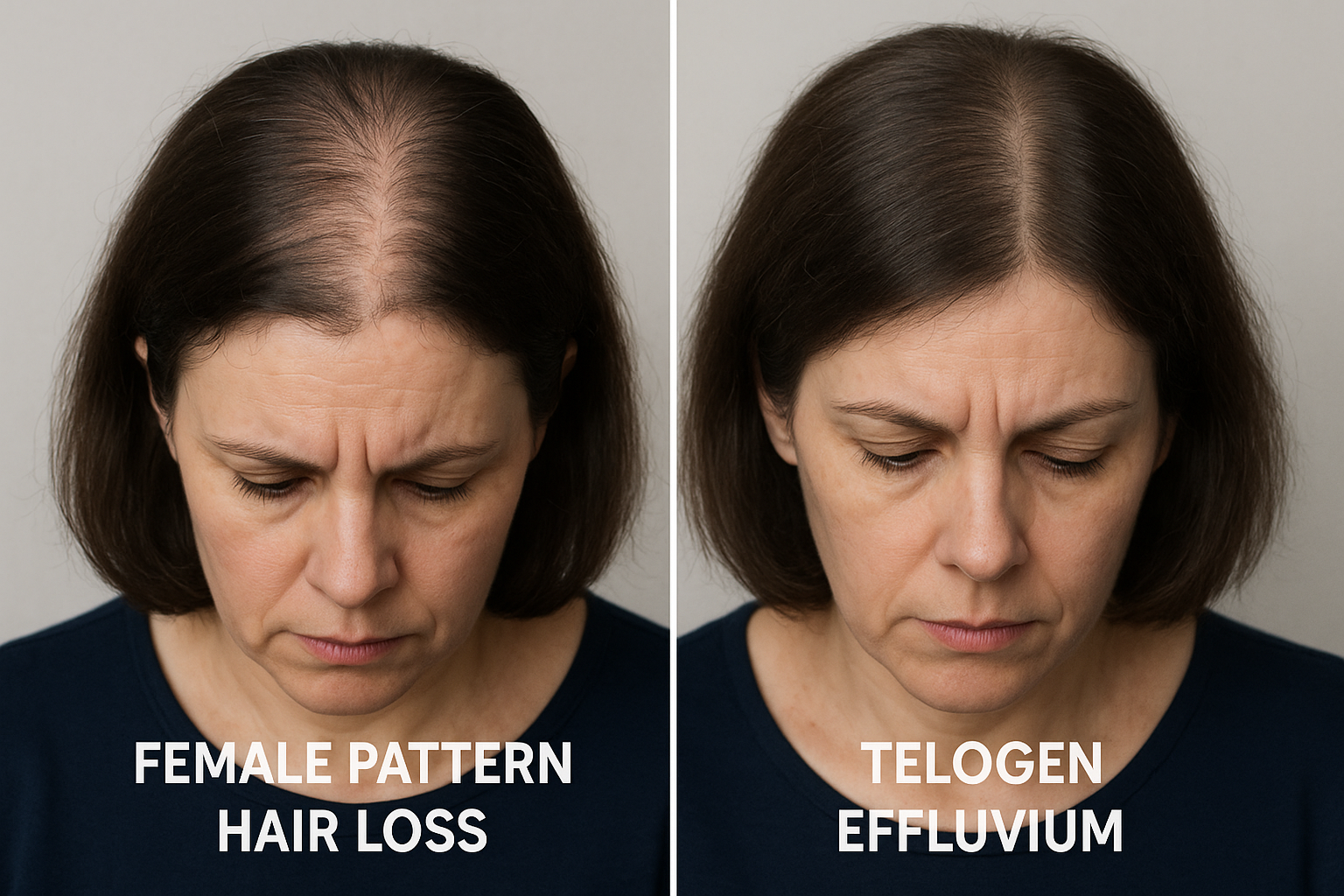
Rapid weight loss associated with GLP-1 receptor agonists, such as Ozempic and Wegovy, is increasingly linked to a condition known as telogen effluvium, according to clinical observations and patient reports. This temporary form of hair loss occurs when the body experiences significant physical stress or nutritional deficits during aggressive weight reduction, pushing hair follicles prematurely into a resting phase.
The phenomenon is not a direct side effect of the medication’s chemical composition but rather a systemic reaction to the rapid loss of body mass and caloric restriction. Telogen effluvium is a scalp disorder characterized by the thinning or shedding of hair from all over the scalp, often triggered by severe stress, surgery, or drastic dietary changes.
Medical professionals note that the appetite suppression caused by semaglutide—the active ingredient in Ozempic—can lead to inadequate intake of protein, zinc, and iron. These micronutrients are essential for the production of keratin, the protein that forms the structure of the hair shaft. When the body lacks these nutrients, it prioritizes vital organs over non-essential functions like hair growth.
Why does rapid weight loss cause hair shedding?
The hair growth cycle consists of three main phases: anagen (growth), catagen (transition), and telogen (resting). In a healthy cycle, a majority of hairs are in the anagen phase. However, rapid weight loss triggers a systemic shock that forces a large percentage of these hairs into the telogen phase simultaneously.

This shift results in noticeable thinning or clumps of hair falling out typically two to three months after the triggering event. Because the medication suppresses hunger so effectively, patients may unknowingly enter a caloric deficit too steep for the body to maintain follicular health.
This process is distinct from androgenetic alopecia (pattern baldness) because it is diffuse rather than localized. The hair loss occurs across the entire scalp rather than in specific receding lines or patches, reflecting a global metabolic stress rather than a genetic or hormonal predisposition.
How to mitigate hair loss through nutrition
Clinicians emphasize that the risk of hair thinning can be reduced by focusing on nutrient density rather than just calorie counting. Because GLP-1 drugs significantly reduce the volume of food a person can consume, every meal must be optimized for high protein and essential minerals.

Prioritizing lean proteins, such as fish, poultry, and legumes, helps provide the amino acids necessary for hair synthesis. Additionally, monitoring levels of ferritin (stored iron) and vitamin B12 is critical, as deficiencies in these areas are common during rapid weight loss and directly contribute to follicular dormancy.
Hydration also plays a role in maintaining the scalp’s health. Nutritional deficiencies, particularly protein-calorie malnutrition, are well-documented triggers for telogen effluvium, suggesting that a balanced, medically supervised diet can prevent the onset of shedding.
What happens after the shedding phase?
The most important characteristic of telogen effluvium is that it is generally reversible. Once the body reaches a new weight equilibrium and nutritional intake is stabilized, the hair follicles typically return to the anagen growth phase.
Patients are advised not to panic when they notice increased shedding, as the hair usually grows back on its own without the need for aggressive pharmaceutical interventions like minoxidil, provided the underlying nutritional cause is addressed. The recovery period varies by individual but typically aligns with the stabilization of weight loss.
Healthcare providers recommend that patients using GLP-1 medications maintain regular blood work to monitor for anemia and protein deficiencies. Early detection of these deficits allows for supplementation that can halt the shedding process before it becomes severe.
Patients experiencing sudden hair loss should consult their prescribing physician to adjust their dietary plan or introduce medical-grade supplements. Future updates on GLP-1 medication guidelines and potential new nutritional protocols for weight loss patients are expected to emerge as long-term data on these drugs continues to be analyzed by global health regulators.
Share your experience or questions about weight loss and health in the comments below.