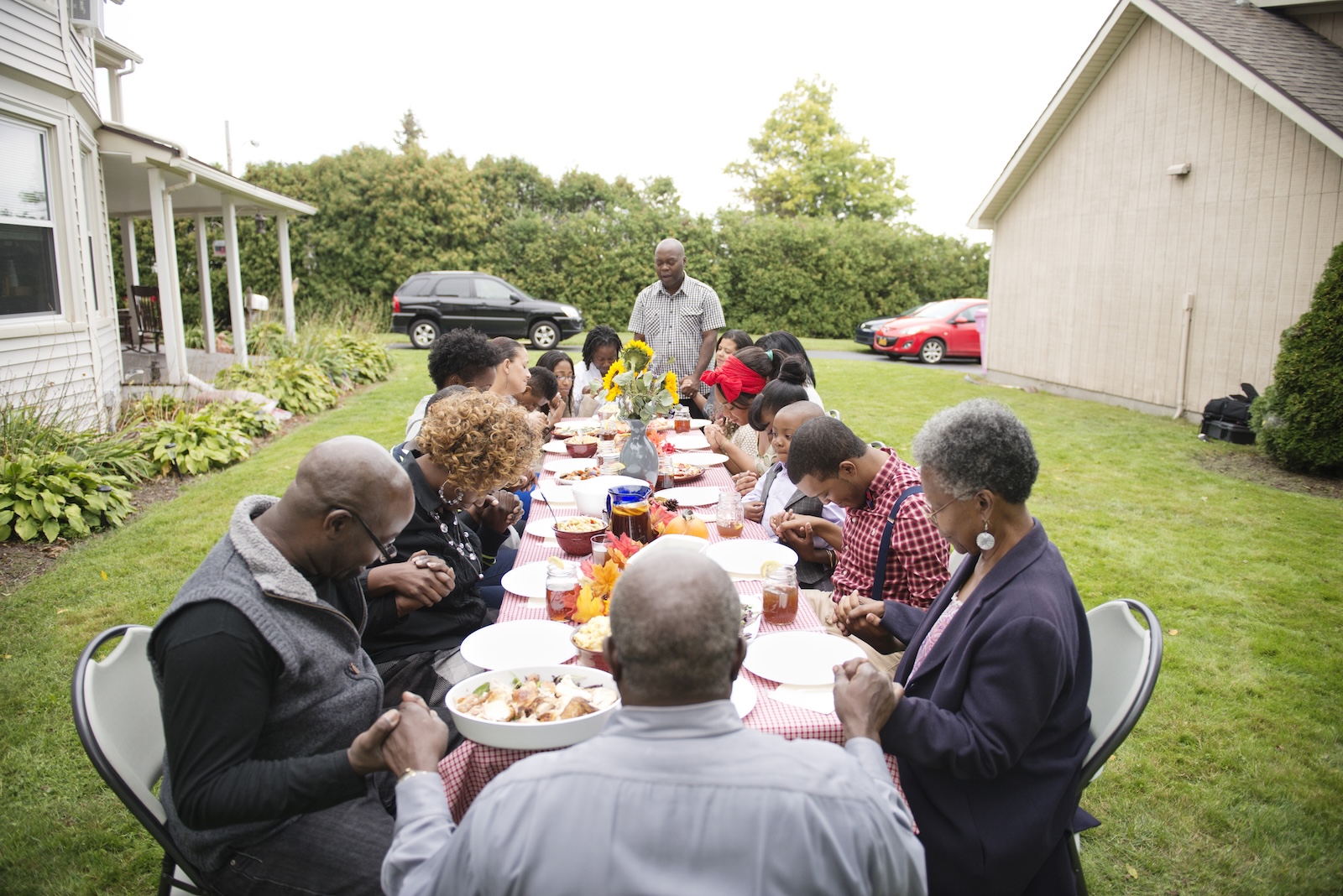
A growing movement within Black communities is calling for the removal of abusers, sexual predators, and “deadbeat” parents from family gatherings to prioritize the safety and mental health of survivors. This shift toward accountability seeks to dismantle the tradition of protecting harmful relatives under the guise of family loyalty, which advocates argue often ostracizes marginalized members, including LGBTQ+ individuals, while shielding perpetrators.
The push for stricter boundaries at family events reflects a broader effort to break generational trauma. According to data from the Rape, Abuse & Incest National Network (RAINN), approximately 80% to 90% of children who experience sexual abuse are harmed by someone they know, with family members frequently identified as the perpetrators. This statistic underscores the risk inherent in maintaining “sanctuaries” for unsafe individuals within the home.
The tension between blood relation and behavioral accountability has become a focal point for those seeking “generational change.” Critics of the “family first” mentality argue that the pressure to maintain a peaceful facade often forces victims to isolate themselves or avoid family functions entirely to escape their abusers.
Why are family boundaries shifting in 2025?
The shift is driven by a demand for accountability over unconditional forgiveness. For decades, cultural norms in many communities emphasized that “what happens in this house stays in this house,” a sentiment that often protected domestic abusers and neglectful parents. However, current trends suggest a move toward “chosen family” and the revocation of invitations for those who refuse to repent or make amends.
This movement highlights a perceived hypocrisy in how worthiness is assigned within the family unit. Advocates point out that while LGBTQ+ relatives—such as queer cousins or trans nieces—are often shamed or excluded, relatives who have committed acts of violence or neglected child support obligations are frequently welcomed back. This disparity suggests that “family loyalty” is sometimes weaponized to protect predators while punishing those who deviate from traditional norms.
The impact of this dynamic is not merely social but psychological. When a community continues to offer a “seat at the table” to a known abuser, it can trigger trauma for survivors and signal to children that the perpetrator’s presence is more valuable than the victim’s safety.
How does family betrayal impact long-term recovery?
Betrayal by a caregiver or relative leaves deeper, more enduring scars than abuse by a stranger. When the people tasked with protection become the source of harm, the resulting trauma can distort a survivor’s ability to trust other kinship networks. This is compounded when the extended family minimizes the abuse, using phrases like “that’s just how he is” to excuse dangerous behavior.
Despite these challenges, research indicates that specific cultural strengths can aid in the healing process. Racial pride and strong emotional connectedness within Black families can act as a protective shield, providing survivors with a sense of identity and support that softens the blow of trauma. The goal of the current movement is to leverage this connectedness to protect the vulnerable rather than to shield the aggressor.
Recovery often requires the removal of the trigger. For many, this means the “cookout guest list” must be curated to ensure that no one is forced to sit across from their abuser. By choosing protection over silence, families can transition from maintaining “generational curses” to fostering a space for genuine healing.
What are the steps for establishing healthy family boundaries?
Establishing boundaries in a tight-knit family system often involves challenging the notion that "blood" automatically equals a bond. This means that forgiveness is not a requirement for family peace, especially when the perpetrator remains unrepentant.
Practical steps for families looking to implement these changes include:
- Identifying “unsafe” individuals based on verified histories of abuse or neglect.
- Prioritizing the comfort and presence of survivors over the desires of the perpetrator.
- Openly supporting LGBTQ+ and gender-nonconforming members to counteract previous patterns of exclusion.
- Refusing to use religious or traditional platitudes to silence victims of domestic or sexual violence.
The transition toward a more accountable family structure is an ongoing process. As more individuals choose to walk away from toxic systems, the definition of “family” is expanding to include those who provide safety and love, regardless of biological relation.
Do you believe family loyalty should ever outweigh the need for accountability? Share your thoughts in the comments below.