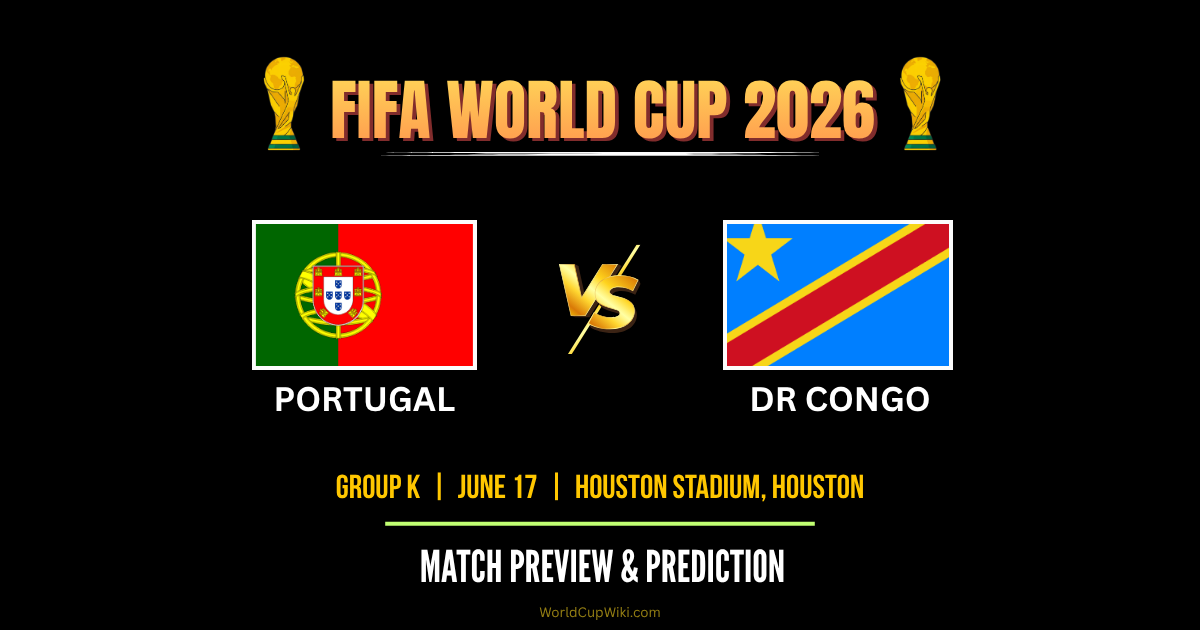
The 2026 FIFA World Cup, jointly hosted by the United States, Canada, and Mexico, has reignited long-standing debates regarding the role of international sport in fostering national identity. As teams move into the knockout stages, the event highlights the persistent human inclination to utilize athletic competition as a vessel for collective belonging, a phenomenon sociologists describe as the “need to say ‘we.'”
According to FIFA’s official tournament schedule, the expansion of the competition to 48 teams has increased the diversity of participating nations, further intensifying the visibility of national fervor on the global stage. This trend is particularly evident in matches involving traditional football powers, where supporters often view the performance of their national team as a direct extension of their own cultural and social identity.
The Sociology of Collective Identity in Sport
The tendency for fans to identify deeply with national teams functions as a modern mechanism for social cohesion. Research published by the International Review for the Sociology of Sport suggests that international tournaments provide a rare, regulated environment where individuals can express intense patriotism without the usual constraints of civil discourse. By adopting the pronoun “we” during a match, fans effectively dissolve the barrier between their personal identity and the collective success or failure of the squad on the pitch.

This psychological merger is not merely symbolic. Studies from the University of Oxford’s Social Cohesion research programs have noted that shared emotional experiences—such as the high-stakes pressure of a World Cup penalty shootout—can temporarily heighten feelings of unity within a population. For the duration of the tournament, the “imagined community” of the nation becomes physically manifested in stadiums and public viewing areas, creating a tangible sense of belonging that transcends daily social divisions.
Geopolitics and the Stadium Environment
The 2026 tournament structure, which spans 16 host cities across three countries, presents a unique logistical and cultural landscape. FIFA has implemented comprehensive security and fan engagement protocols to manage the influx of international supporters, as detailed in the official FIFA World Cup 2026 Host City guidelines. The interaction between local host populations and visiting fans often serves as a secondary layer of cultural exchange, complicating the simple “us versus them” narrative inherent in professional sports.
However, the intensity of national pride can also lead to friction. Historical data from previous World Cup cycles indicate that the volatility of fan behavior is often correlated with the perceived importance of the match. Authorities in host nations, including the U.S. Department of Homeland Security, coordinate closely with international partners to monitor potential risks, emphasizing that while sport can unite, it can also act as a flashpoint for long-standing geopolitical tensions between rival nations.
What Happens Next in the Tournament
As the tournament progresses toward the quarter-finals and beyond, the psychological stakes for both players and supporters are expected to rise. The “us” narrative often strengthens as the field narrows, with remaining teams carrying the perceived hopes of their entire nations. This phenomenon is frequently amplified by digital media, where real-time engagement allows fans to participate in a global, synchronized emotional response.
The next major checkpoint for the tournament is the conclusion of the Round of 16, followed by the quarter-final fixtures scheduled to take place across the host cities. Fans can find official match updates, ticketing information, and safety advisories on the official FIFA World Cup 2026 portal.
As the world watches the final stages unfold, the tournament remains a primary case study in how collective human needs are projected onto the global stage. We invite our readers to share their perspectives on how international sport continues to shape national narratives in the comments section below.