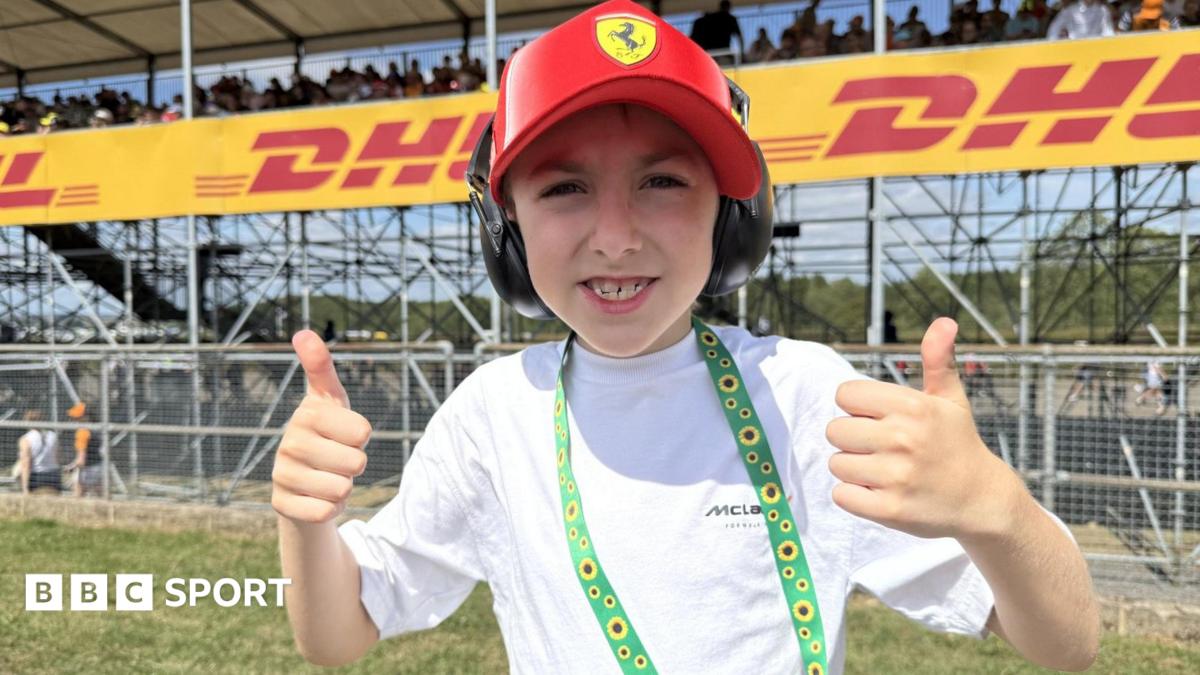
Silverstone Circuit has implemented sensory support measures and accessibility protocols to allow autistic fans to attend the British Grand Prix, according to official venue guidelines and attendee reports. These accommodations address the high-decibel environment of Formula 1 racing, which often presents a barrier for individuals with sensory processing sensitivities.
The initiative focuses on reducing the overwhelming sensory input associated with 20+ cars reaching speeds of over 200 mph. By providing specific tools and designated areas, the circuit aims to make the event viable for families who previously found the noise and crowds prohibitive. The move aligns with a broader trend in global sports to increase inclusivity for neurodivergent spectators.
For many parents, the ability to share a passion for motorsport with their children depends on these specific interventions. The British Grand Prix, held annually at the Silverstone Circuit in Northamptonshire, is one of the loudest events on the sporting calendar, making the implementation of sensory-friendly options a critical requirement for accessibility.
How does Silverstone support autistic fans?
Silverstone provides several key resources to mitigate sensory overload. According to the circuit’s accessibility information, the venue offers the use of noise-canceling headphones and ear defenders to manage the extreme volume of the hybrid V6 engines. These tools allow fans to experience the race without the risk of auditory distress.
The venue also utilizes “quiet zones” or designated calm areas where spectators can retreat from the crowd. These spaces are designed to provide a low-stimulation environment, allowing neurodivergent fans to regulate their sensory input before returning to the main event areas. Staff members are trained to recognize the needs of guests using accessibility passports or specific identification markers.
The availability of these services transforms the experience from an impossible challenge into a manageable outing. For a child with autism, the unpredictability of a crowd of 150,000 people can be daunting, but structured support and pre-arrival information help create a predictable environment.
Why is sensory accessibility critical for Formula 1?
Formula 1 is an assault on the senses. The combination of high-frequency engine noise, flashing lights, and dense crowds can trigger sensory meltdowns in autistic individuals. Without specific interventions, the environment is often physically painful or psychologically overwhelming for those with hypersensitivity.
The impact of these accommodations extends beyond the individual. When a venue makes an event “viable,” it allows parents to engage in shared hobbies that were previously restricted. This social inclusion is a primary goal of the National Autistic Society, which advocates for better accessibility in public spaces and sporting events across the UK.
By normalizing the use of ear defenders and providing quiet spaces, Silverstone reduces the stigma associated with neurodivergence in high-pressure environments. This creates a blueprint for other circuits on the F1 calendar to follow, potentially opening the sport to a wider demographic of fans worldwide.
What are the practical steps for attending with a neurodivergent child?
Families planning a visit to the British Grand Prix are encouraged to use the following verified strategies to ensure a successful trip:

- Pre-visit Planning: Reviewing maps of the circuit and identifying the nearest quiet zones relative to their seating area.
- Sensory Kits: Bringing a personalized kit including weighted blankets, fidget toys, or preferred headphones, even if the venue provides some.
- Official Documentation: Carrying an accessibility card or a “Sunflower” lanyard, which is a globally recognized symbol for hidden disabilities.
- Timing: Arriving early to acclimate to the environment before the peak noise of the qualifying and race sessions begins.
These steps, combined with the circuit’s official support, allow parents to focus on the spectacle of the race rather than the logistics of crisis management. The goal is to shift the experience from one of survival to one of enjoyment.
The next major checkpoint for accessibility updates at the circuit will be the release of the official 2025 event guide and ticketing accessibility portal. Families are encouraged to contact the Silverstone accessibility team directly via their official website to request specific accommodations for upcoming race weekends.
Do you have experience with sensory accessibility at major sporting events? Share your thoughts and stories in the comments below.