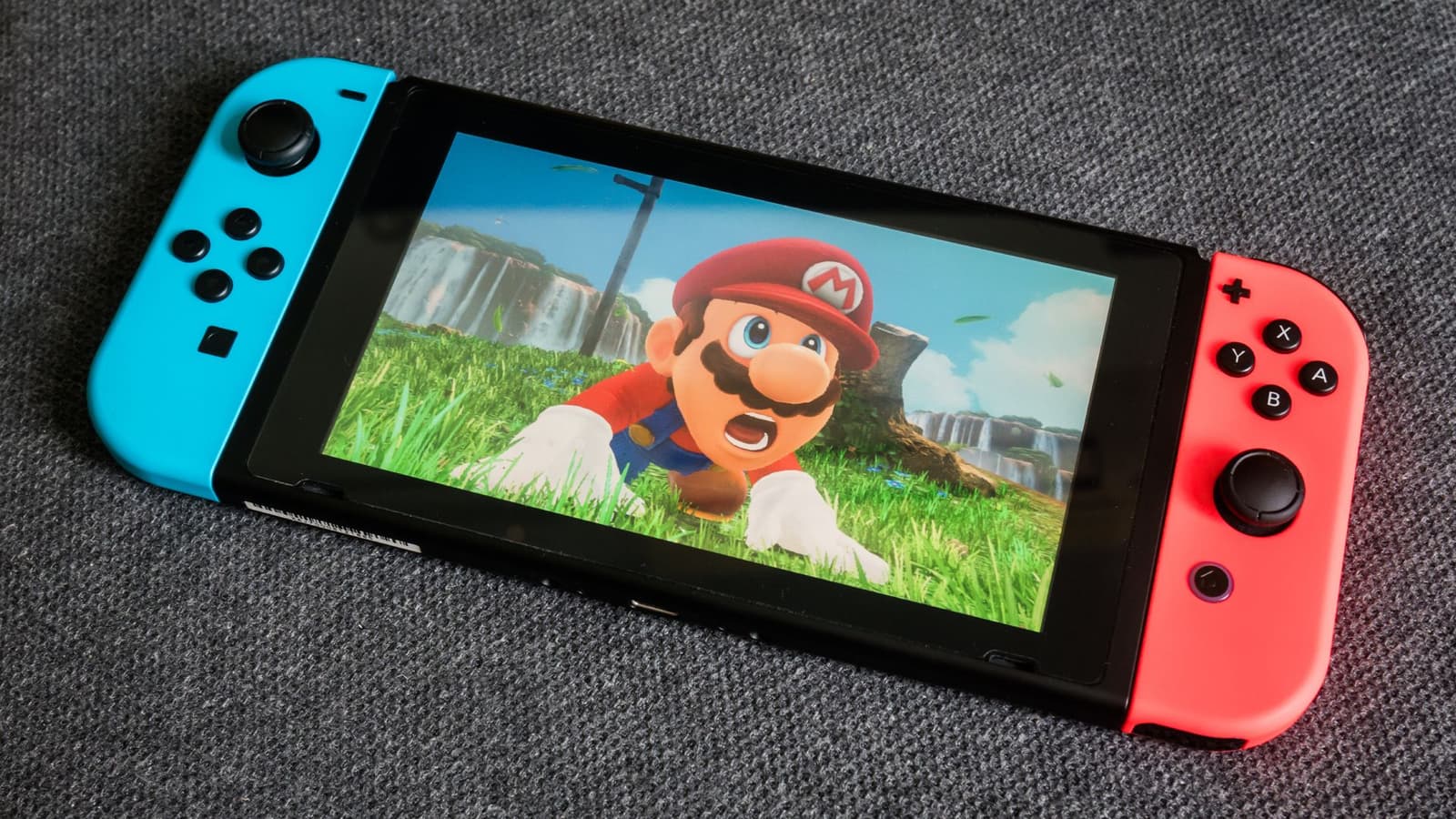
Nintendo has begun the process of phasing out its current console hardware lineup, as the company prepares to transition toward its next generation of gaming hardware. According to official corporate disclosures, the manufacturer is actively managing the production lifecycle of the Nintendo Switch, Nintendo Switch Lite, and Nintendo Switch OLED models to align with upcoming business objectives.
As of the most recent fiscal reports, Nintendo has confirmed that it is in the final stages of the current hardware cycle. While the company has not issued a hard “stop-sale” date for individual retail units, it has signaled to investors that the transition to a successor device—widely referred to in industry reports as the “Switch 2″—is the primary focus for the upcoming fiscal year. According to Nintendo’s official Investor Relations portal, the company intends to announce its new hardware platform within the current fiscal year, which concludes on March 31, 2025.
Understanding the Lifecycle Transition
The Nintendo Switch, which first launched in March 2017, has become one of the best-selling gaming consoles in history. However, after more than seven years on the market, the hardware is reaching a natural point of obsolescence. Industry analysts observe that Nintendo typically manages a “tapering” approach, where manufacturing volume is gradually reduced rather than halted abruptly, to avoid inventory gluts while maintaining availability for consumers until the new system is ready.

This strategy ensures that the company can focus its supply chain resources on the launch of its next platform. According to reports from Reuters, President Shuntaro Furukawa has maintained that the company remains committed to supporting the existing Switch ecosystem even as it prepares for the future. For consumers, this means that current models will remain on store shelves for the foreseeable future, though the secondary market and refurbished inventory may become more prominent as the transition nears.
What This Means for Current Owners
For those currently playing on the Switch, Switch Lite, or OLED models, the shift in production does not signal an immediate end to software support. Nintendo has a history of maintaining long-term service for its platforms, including the Nintendo eShop and online multiplayer services. According to data provided in Nintendo’s software sales documentation, the company continues to see high engagement levels, which suggests that the existing library of games will remain playable and relevant for years to come.
The primary impact of this transition will be felt in the hardware retail sector. As production slows, retailers may begin to clear out remaining stock, potentially leading to price fluctuations. However, Nintendo typically avoids aggressive discounting of its hardware, preferring to maintain price stability throughout the console’s lifespan.
Looking Toward the Successor
While details regarding the new hardware remain guarded, the industry consensus is that the next device will likely offer backward compatibility, a feature that would allow current Switch owners to carry over their digital libraries. This would be a significant shift from previous console generations, where transitions often required a complete reset of the user’s software collection.

The company has avoided providing specific technical specifications, but official statements confirm that the new system will be presented as a successor, rather than a mere iteration. Investors and fans alike are awaiting the formal unveiling, which is expected to occur in the coming months. Until such time as an official press event is scheduled, Nintendo has advised that all updates regarding hardware will be disseminated through their official communication channels.
The next major milestone for Nintendo is the conclusion of the current fiscal quarter, followed by the anticipated reveal of the new hardware platform before the end of March 2025. Readers are encouraged to monitor the official Nintendo newsroom for verified updates and to share their thoughts on the evolution of the platform in the comments below.