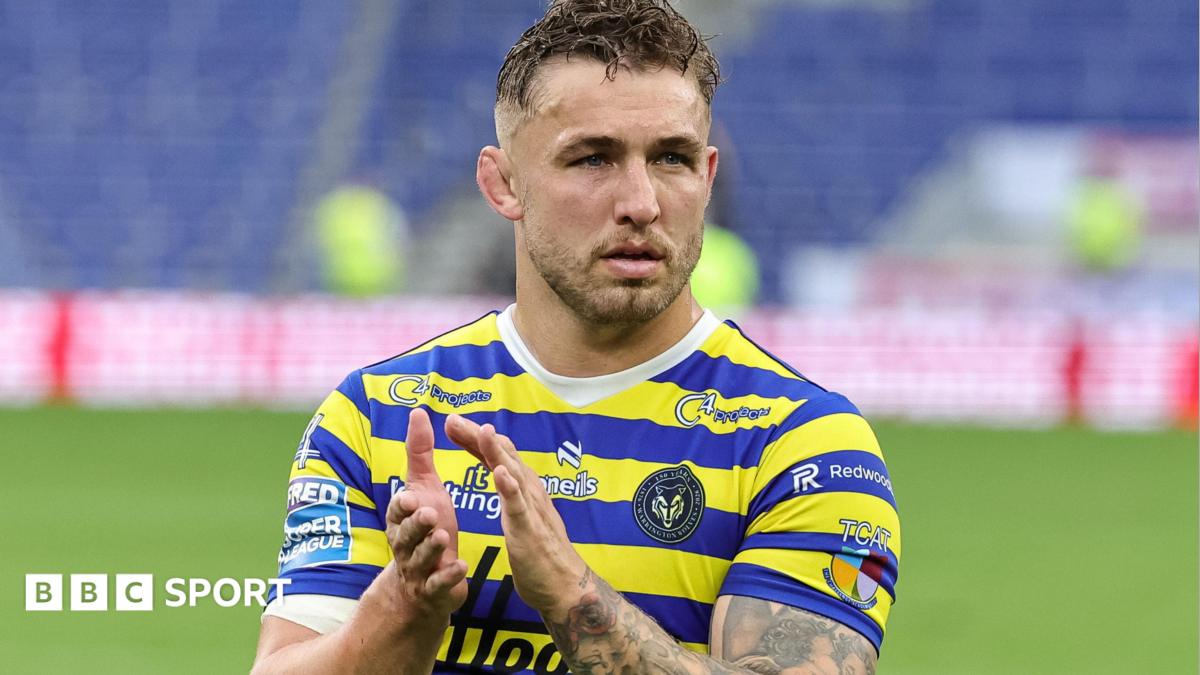
Warrington Wolves hooker Sam Powell will miss three matches following a Grade E charge of dangerous contact during a game against Leigh Leopards, according to the Rugby Football League (RFL). The suspension follows a disciplinary review of an incident that occurred during the defeat to the Leopards.
The RFL’s disciplinary process categorizes charges by grade, with Grade E representing a significant breach of safety protocols. Under current RFL operational rules, a Grade E charge carries a standard sanction that typically results in a multi-match ban unless the player successfully argues for a reduction in grading during a hearing.
Powell’s absence creates a tactical void at the hooker position for the Wolves, who must now shuffle their squad rotation to cover the missing playmaker. The three-match ban is effective immediately, meaning he is ineligible for selection in the club’s next three scheduled fixtures.
Why was Sam Powell given a Grade E charge?
The RFL issued the Grade E charge based on “dangerous contact,” a classification used when a player makes contact with an opponent in a manner that risks injury or violates the game’s safety guidelines. According to the RFL’s disciplinary records, Grade E charges are among the most severe non-violent conduct charges, often involving high-impact contact or poor technique in the tackle.

The incident took place during a match where Warrington suffered a loss to the Leigh Leopards. While the RFL does not typically release full internal hearing transcripts to the public, the “dangerous contact” label indicates that the match officials or the independent review panel determined Powell’s actions exceeded the acceptable limits of physical contest in rugby league.
How does the three-match ban impact Warrington?
The loss of Sam Powell for three games removes a primary distributor from the Warrington pack. As a hooker, Powell is responsible for directing the forwards and initiating attacking plays from the dummy-half position. His absence forces the coaching staff to either promote a reserve player or shift a versatile utility player into the number 9 shirt.
The timing of the suspension is particularly challenging given the competitive nature of the Super League standings. Missing a key specialist for three matches can disrupt the rhythm of the team’s offensive sets and put additional pressure on the remaining squad members to maintain the intensity of the ruck.
What are the RFL grading standards for dangerous contact?
The RFL utilizes a grading system from A to E to determine the severity of an offense. A Grade A charge is the least severe, often resulting in no suspension or a single match ban if the player has a poor record. A Grade E charge is the most severe, reflecting a high level of risk or a blatant disregard for player safety.

Players facing a Grade E charge have the option to accept the standard sanction or contest the grade at an independent disciplinary panel. If a player successfully argues that the contact was less severe, the charge can be downgraded (e.g., to a Grade D), which would reduce the number of matches missed. In Powell’s case, the resulting three-match ban confirms the finality of the disciplinary outcome.
For further updates on player availability and disciplinary rulings, fans and analysts can monitor the official RFL website.
The next confirmed checkpoint for Warrington will be the team sheet release for their upcoming fixture, which will confirm who will replace Powell in the starting lineup. Share your thoughts on how the Wolves should handle this gap in their roster in the comments below.