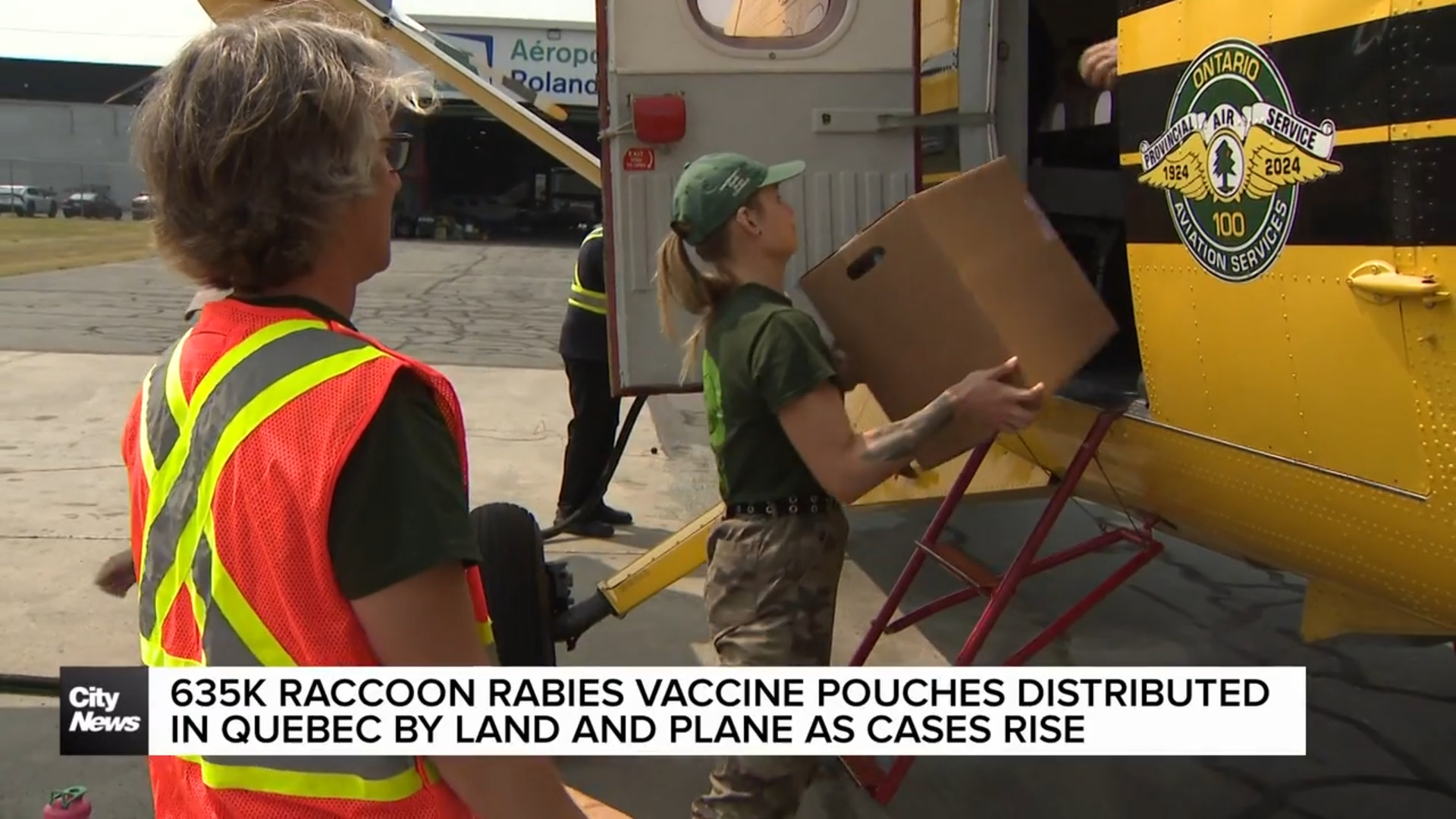
Health authorities in Quebec are maintaining heightened surveillance efforts following the detection of rabies in raccoon populations across the Montérégie region. The Ministry of Agriculture, Fisheries and Food (MAPAQ) has confirmed the presence of the raccoon rabies variant in several municipalities, prompting a coordinated response to prevent the spread of the virus to domestic animals and humans.
Rabies is a zoonotic disease, meaning it can be transmitted from animals to humans, and it remains fatal once clinical symptoms appear. While the risk to the general public remains managed through active intervention, residents in affected areas must understand the necessary precautions to minimize contact with wildlife.
The Current State of Rabies Surveillance in Quebec
The provincial government has intensified its monitoring and vaccination programs in response to confirmed cases. According to official data provided by the Government of Quebec, the strategy involves a combination of targeted trapping, oral vaccination campaigns, and public education. These efforts are designed to create a “vaccination barrier” that slows the movement of the virus through raccoon populations.

The Ministry has deployed field teams to capture and vaccinate raccoons in high-risk sectors. By distributing oral vaccine baits—which are specifically formulated to immunize raccoons upon consumption—officials aim to achieve herd immunity within the local wildlife population. This method has been a cornerstone of Quebec’s strategy since the first significant outbreaks of the raccoon rabies variant were identified in the province.
Why Raccoons Are the Primary Concern
Raccoons (Procyon lotor) are the primary reservoir for this specific strain of the rabies virus in this region. Because they are highly adaptable and often live in close proximity to human dwellings, the potential for interaction with pets and humans is elevated. The virus is transmitted primarily through the saliva of an infected animal, usually via a bite or a deep scratch.
If you observe a raccoon acting in a disoriented or paralyzed manner, it is critical to keep your distance and contact animal control services immediately. Do not attempt to capture or handle the animal yourself.
Protecting Your Household and Pets
The most effective way to protect your household is to ensure that your pets are up to date on their rabies vaccinations. Rabies vaccines are highly effective for dogs and cats and serve as the final line of defense should an encounter occur. If you suspect your pet has had contact with a raccoon or any wild animal showing signs of illness, contact your veterinarian immediately for guidance.
In addition to vaccination, residents should take these precautionary steps:
- Secure waste: Use animal-proof garbage containers to avoid attracting raccoons to your property.
- Eliminate food sources: Avoid leaving pet food or birdseed outdoors, as these attract wildlife.
- Maintain distance: Never feed or touch wild animals, even if they appear friendly or injured.
- Report sightings: Notify the Ministry of Agriculture, Fisheries and Food if you encounter a dead or clearly sick raccoon.
What Happens Next
The Ministry will continue its surveillance activities throughout the season to monitor the effectiveness of the current vaccination efforts. Public health officials are expected to release updated maps of affected municipalities as new testing results become available. Residents in the Montérégie and surrounding areas should remain alert and check official government channels for the most recent advisories regarding their specific municipality.

Public cooperation is vital to controlling this outbreak. By adhering to the guidance provided by provincial authorities and ensuring pets are vaccinated, the community can significantly lower the risk of transmission. Please share this information with neighbors and family members to ensure everyone is aware of the current precautions. If you have specific concerns about an animal interaction, reach out to your local health department or a licensed veterinarian for professional advice.