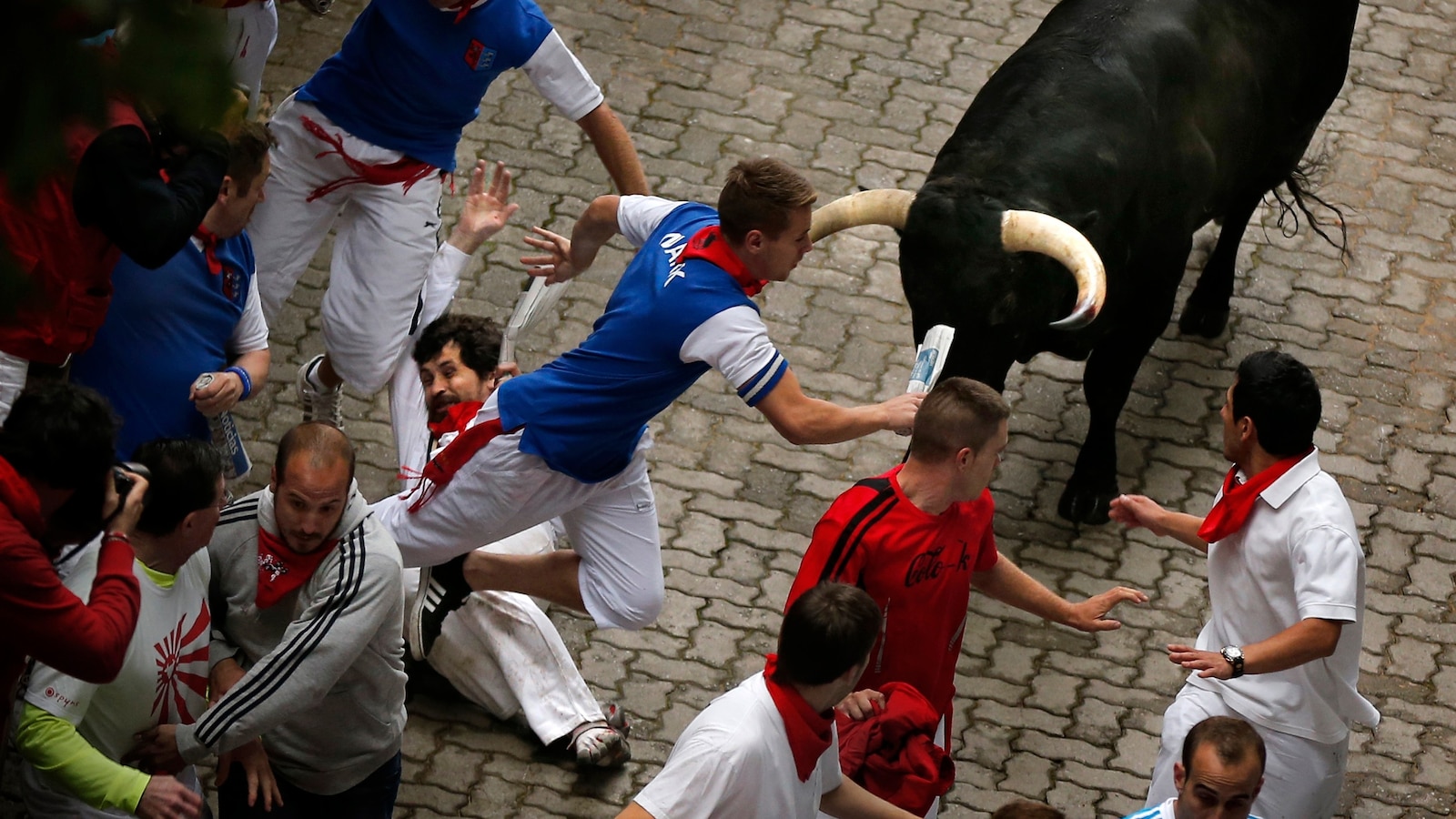
Ernest Hemingway’s 1926 novel The Sun Also Rises marks its centennial this year, a milestone that underscores the book’s enduring role in transforming the San Fermín festival in Pamplona, Spain, into a global cultural phenomenon. While the festival existed for centuries prior, Hemingway’s vivid prose introduced the visceral experience of the running of the bulls to an international audience, cementing the event as a staple of literary tourism.
The novel, published by Charles Scribner’s Sons on October 22, 1926, follows a group of American and British expatriates as they travel from Paris to Pamplona to witness the bullfights. According to the Ernest Hemingway Home and Museum, the work was the author’s first major novel and served to define the “Lost Generation.” By detailing the atmosphere of the festival—the tension, the danger, and the spectacle—Hemingway provided a narrative framework that has drawn millions of spectators to Navarre over the past century.
The Literary Impact on Pamplona
Before the publication of The Sun Also Rises, the San Fermín festival was primarily a regional celebration of religious and local significance. Hemingway first attended the festival in 1923, and his subsequent journalistic and fictional accounts shifted its status. As noted by the Encyclopaedia Britannica, the novel’s stark, minimalist style captured the intensity of the bullring, effectively exporting the Spanish tradition to the English-speaking world.
The influx of international tourism following the book’s release fundamentally altered the local economy and the scale of the festival. Modern estimates from the Pamplona City Council indicate that the annual festival now attracts hundreds of thousands of visitors, with the running of the bulls serving as the primary draw. The city maintains the Hemingway connection as a central pillar of its tourism strategy, with various markers and routes throughout the old town dedicated to the author’s footsteps.
The Running of the Bulls Today
The encierro, or the running of the bulls, remains a highly regulated event. According to the official San Fermín portal, the run occurs every morning from July 7 to July 14. Participants must adhere to strict safety protocols, including a minimum age requirement of 18 and prohibitions against carrying cameras or being under the influence of alcohol during the run.

The danger inherent in the event is a documented reality. The Spanish Red Cross provides emergency services throughout the festival, reporting that injuries—ranging from contusions and fractures to serious gorings—occur annually. Despite these risks, the event persists, balanced between its historical roots and the modern demands of global tourism management.
Hemingway’s Legacy in Modern Culture
The endurance of The Sun Also Rises is attributed to its exploration of themes that transcend the specific geography of Spain. The characters’ aimlessness and their struggle to find meaning in the post-World War I era resonate with contemporary readers. Scholars at the Hemingway Society suggest that the novel’s success lies in its ability to marry the specific, rugged reality of the bullring with the universal existential malaise of the early 20th century.
As the book enters its second century, the relationship between the literature and the landscape continues to evolve. The festival is now subject to intense scrutiny regarding animal welfare and public safety, debates that were largely absent in the 1920s. However, the literary foundation laid by Hemingway ensures that Pamplona remains synonymous with the pursuit of the “authentic” experience, a concept he explored with both fascination and detachment.
The Centennial and Future Updates
Commemorations for the centennial of the novel are expected throughout 2026, with literary institutions and cultural organizations in both the United States and Spain planning events to analyze the text’s influence. For those interested in the history of the festival, the Museum of Navarre provides archival documentation regarding the evolution of the event. Readers seeking to track the upcoming 2026 festival dates or official safety guidelines are encouraged to monitor the Pamplona municipal website for the most recent announcements as they are released by city authorities.
How has the intersection of literature and tourism affected your perspective on travel? Share your thoughts in the comments below.