Dallas Fort Worth International Airport (DFW) has been recognized for having the longest footpath among U.S. airports, with a 1.5-mile (2.4 km) walkway connecting gates in its Terminal E, according to the airport’s official website. This distance, which exceeds the average walking routes at major U.S. airports, has drawn attention from travelers and aviation experts alike. DFW, one of the busiest airports in the world, handles over 60 million passengers annually, according to 2023 reports from the Airports Council International.
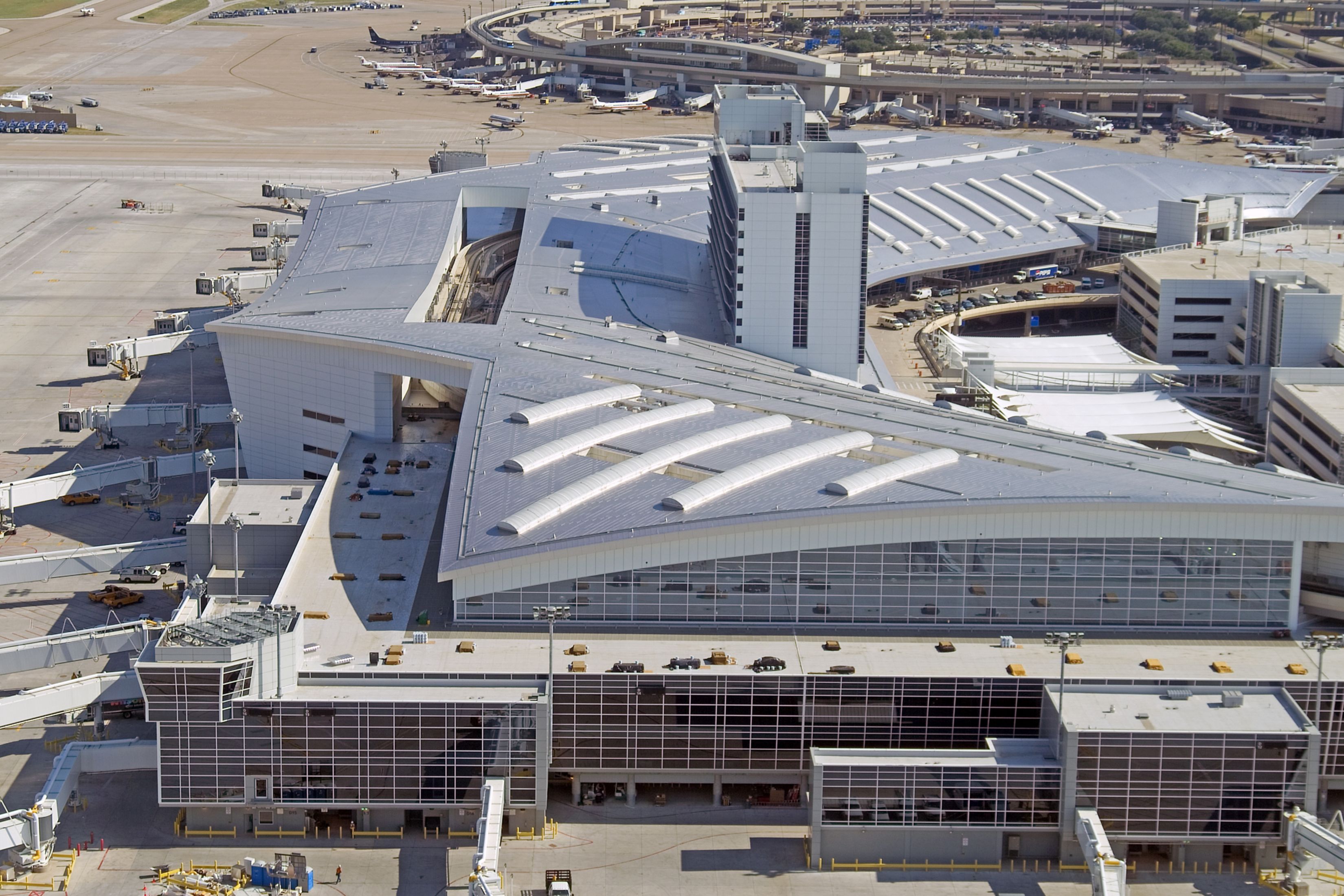
The Terminal E footpath, part of the airport’s 2005 expansion, was designed to accommodate the growing number of passengers and larger aircraft. The route, which spans between gates 11 and 28, is intended to streamline traffic and reduce congestion in the terminal. However, the length has occasionally posed challenges for travelers, particularly those with time constraints or mobility issues. A 2022 survey by the U.S. Department of Transportation found that 18% of passengers at DFW reported difficulty navigating the airport’s layout, though the airport has since implemented improved signage and wayfinding tools.
Context: DFW’s Role in U.S. Aviation
As the 10th-busiest airport globally, DFW serves as a critical hub for both domestic and international travel. The airport’s Terminal E, which opened in 2005, was one of the largest single-terminal projects in U.S. aviation history. Its design aimed to handle increased traffic from the expansion of American Airlines, which operates a significant portion of its flights from DFW. The terminal’s layout, including the extended footpath, was a response to the need for additional gate capacity and operational efficiency.

The footpath’s length has also been a topic of discussion in the context of airport design trends. While some experts argue that longer walkways can detract from the passenger experience, others view them as necessary for managing large volumes of traffic. A 2021 study by the Journal of Airport Management noted that airports with centralized terminals often face similar challenges, citing Chicago O’Hare and Atlanta Hartsfield-Jackson as examples of facilities with complex layouts.
Impact on Travelers and Airport Operations
For travelers, the Terminal E footpath can add up to 20 minutes to a journey, depending on the starting and ending points. The airport has introduced a free shuttle service between terminals to mitigate this, but passengers using only Terminal E may still face the full walking distance. In 2023, DFW reported that 72% of Terminal E users relied on the walkway, with 65% of those citing it as “acceptable” or “manageable.”
Airport officials emphasize that the footpath’s design aligns with broader operational goals. “The terminal’s layout was optimized to balance passenger flow with the need for expansion,” said a DFW spokesperson in a 2022 statement. The airport has also invested in automated systems, such as self-check-in kiosks and mobile boarding passes, to reduce wait times and improve overall efficiency.
Future Developments and Passenger Feedback
DFW has ongoing plans to enhance its infrastructure, including a $3 billion expansion project aimed at adding 10 new gates and modernizing existing facilities. While the Terminal E footpath remains a feature of the current design, the airport has not announced plans to shorten it. Instead, focus has shifted to improving amenities, such as the recent addition of 200 new seats and expanded food options in Terminal E.
Passenger feedback continues to shape the airport’s approach. A 2023 report by the National Association of Airports and Airports Authority highlighted that 83% of DFW travelers praised the airport’s cleanliness and security processes, though 42% expressed concerns about navigation. The airport has responded by installing interactive maps and increasing staff presence in high-traffic areas.
As DFW continues to evolve, the Terminal E footpath remains a distinctive aspect of its design. While it may not be the longest in the world—Gatwick Airport in the U.K. has a 1.2-mile (1.9 km) walkway between terminals—it underscores the challenges of balancing scale, efficiency, and passenger comfort in modern aviation.
Next confirmed checkpoint: DFW’s 202