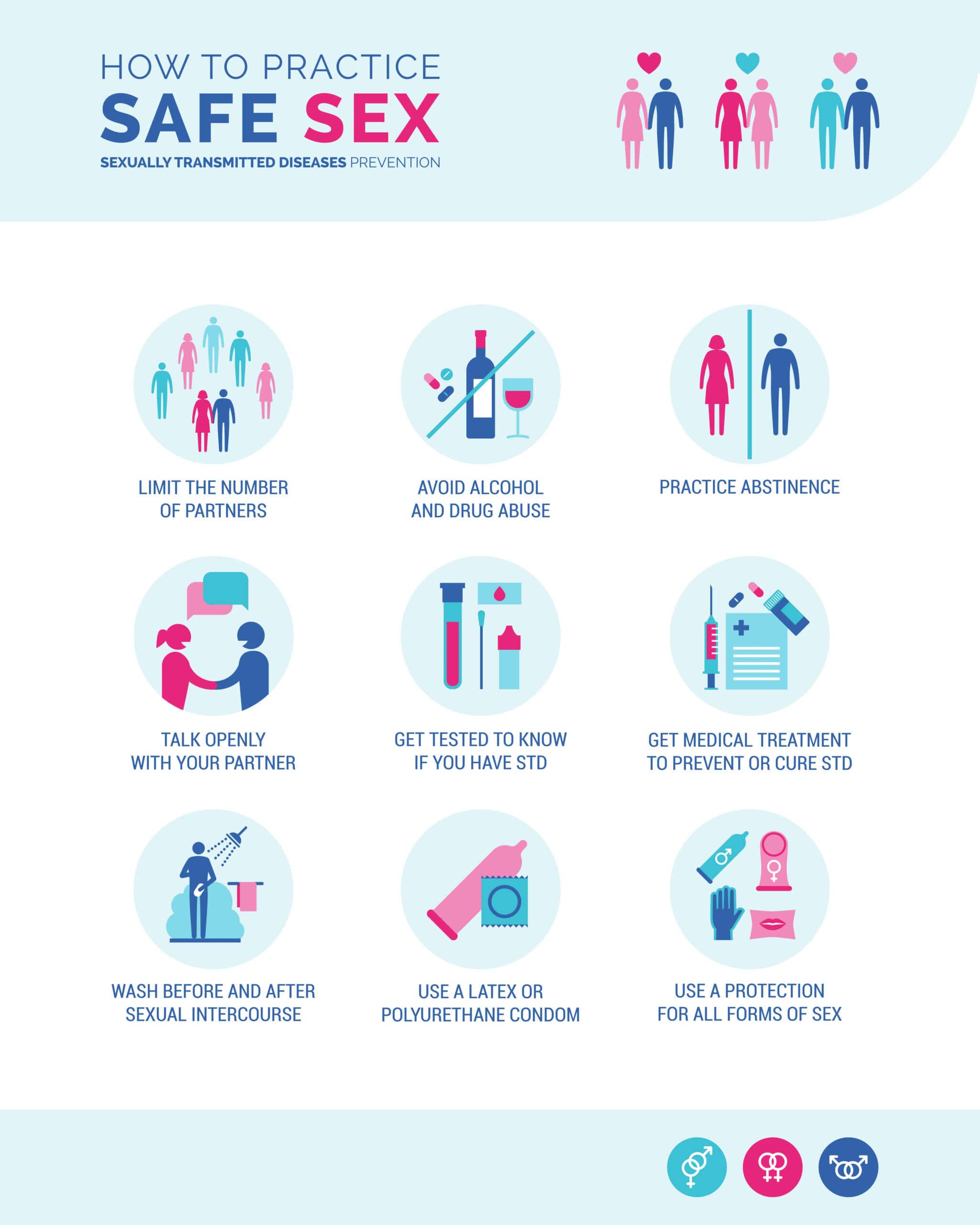
Sexually transmitted infections (STIs) are increasing globally, often appearing in populations and settings where individuals do not expect them, according to data from the World Health Organization (WHO). Effective prevention requires consistent barrier method use and regular screening, as many infections remain asymptomatic while continuing to spread through sexual contact.
Public health initiatives, such as those promoted by regional health authorities in Spain, emphasize that STIs do not discriminate based on age, gender, or perceived risk level. The World Health Organization reports that more than 1 million STIs are acquired every day worldwide, with the most common being chlamydia, gonorrhea, and trichomoniasis WHO Fact Sheet on STIs.
Medical professionals warn that the “invisible” nature of these infections—where a person feels healthy and shows no symptoms—contributes to the rising transmission rates. This lack of visible markers often leads to a false sense of security, making proactive testing the only reliable method for confirmation.
Why are STI rates rising in unexpected populations?
The rise in infections among groups who previously considered themselves “low risk” is linked to a decrease in consistent condom use and a gap in routine screening. According to the Centers for Disease Control and Prevention (CDC), the prevalence of certain STIs has increased as the perceived urgency of prevention shifted after the peak of other global health crises CDC STD Overview.

Health experts identify several factors driving this trend:
- Increased use of dating applications, which can facilitate a higher number of sexual partners in shorter timeframes.
- A decline in comprehensive sexual health education in some regions, leading to misconceptions about how infections are transmitted.
- The asymptomatic nature of many STIs, allowing individuals to unknowingly pass infections to partners.
In Spain, regional campaigns like those seen in Asturias highlight that “STIs are where you least expect them,” urging the public to move away from stereotyping who “gets” an infection and instead focus on universal protection.
How to protect yourself and partners effectively
The most effective way to reduce the risk of STIs is the consistent and correct use of condoms. While not a total guarantee against skin-to-skin infections like HPV or Herpes, they significantly reduce the transmission of fluid-borne pathogens such as HIV, gonorrhea, and chlamydia.
Beyond barrier methods, health authorities recommend a “test and treat” strategy. This involves regular screenings even in the absence of symptoms. For many, this means an annual check-up or testing after every new partner. Early detection prevents long-term complications, such as pelvic inflammatory disease (PID) in women, which can lead to infertility if left untreated.
Vaccination also serves as a critical pillar of prevention. The HPV vaccine, for example, is recommended for adolescents and young adults to prevent several types of cancer. According to the WHO, widespread HPV vaccination is the most effective tool for the eventual elimination of cervical cancer.
What are the most common asymptomatic STIs?
Many STIs do not present immediate physical signs, which is why they are often termed “silent” infections. Chlamydia is one of the most frequent examples; many infected individuals experience no symptoms at all, yet the bacteria can cause permanent damage to the reproductive system.
Gonorrhea can also remain undetected, particularly in women, where it may be mistaken for a bladder or vaginal infection. Trichomoniasis, caused by a parasite, often goes unnoticed but can increase susceptibility to other STIs, including HIV, by causing inflammation in the genital tract.
Syphilis, while having distinct stages, can have a primary sore (chancre) that is painless and hidden, leading the person to believe the infection has cleared when it has actually moved into a latent stage, potentially affecting the heart and brain years later.
Where to find reliable testing and support
Individuals seeking testing should visit licensed healthcare providers, public health clinics, or specialized sexual health centers. In Spain, the public health system provides access to screening and treatment through primary care centers and hospitals.

When visiting a clinic, it is important to be transparent about sexual history and the types of contact had, as this allows clinicians to order the specific tests needed. Not all standard “STI panels” cover every possible infection; some require specific swabs or blood tests based on the site of exposure.
Treatment for most bacterial STIs is straightforward and involves a course of antibiotics. However, these medications must be completed fully, and partners must be treated simultaneously to prevent “ping-pong” reinfection, where the infection is passed back and forth between partners.
The next major global checkpoint for STI management is the WHO’s ongoing effort to eliminate mother-to-child transmission of syphilis and reduce the global burden of STIs through increased access to diagnostics in underserved regions. Public health departments continue to update their guidelines based on the latest antibiotic resistance data for gonorrhea.
If you found this health update useful, please share it with your network to help promote sexual health awareness. We welcome your comments and questions below.