European nations are facing increased pressure to assume a leading role in NATO’s collective defense as the United States signals a shift toward reducing its military footprint and financial contributions. This transition centers on the concept of “strategic autonomy,” where EU members increase defense spending and operational capabilities to reduce reliance on U.S. security guarantees.
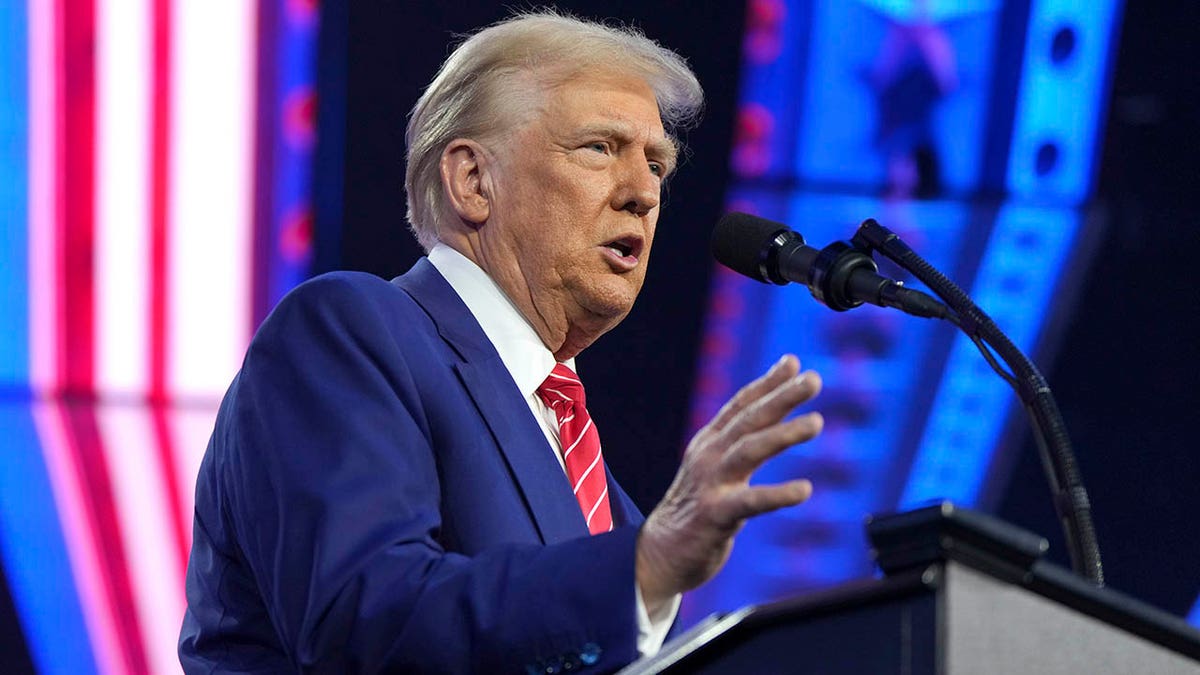
The debate over NATO’s next act intensified following repeated demands from former U.S. President Donald Trump for member states to meet the agreed-upon spending target of 2% of GDP on defense. According to official NATO data, while an increasing number of allies have reached this threshold, a significant gap remains in the actual operational capacity of European forces to lead large-scale missions without American logistics and intelligence support.
Current geopolitical tensions, particularly the ongoing conflict in Ukraine, have accelerated the timeline for this shift. European leaders are now weighing whether the alliance can survive a fundamental restructuring of the “burden-sharing” model or if the U.S. will pivot permanently toward the Indo-Pacific region, leaving Europe as the primary guarantor of its own security.
Why is Europe struggling to lead NATO’s next phase?
The primary obstacle to European leadership within NATO is the lack of integrated military infrastructure. While individual nations like France and Germany possess significant firepower, they lack the unified command-and-control systems that the U.S. provides. According to reports from the European Union’s defense initiatives, the fragmentation of the European arms market—where dozens of different national standards for ammunition and equipment exist—hinders the ability to deploy a cohesive European force.


Financial constraints also play a role. Despite the 2% GDP target, many EU nations have struggled to translate budget increases into “combat-ready” capabilities. The U.S. Department of Defense has historically provided the “backbone” of NATO, including heavy airlift, satellite intelligence, and refueling tankers. Without these assets, European leadership remains largely theoretical for high-intensity conflicts.
Political divergence further complicates the effort. France has long advocated for “strategic autonomy,” suggesting that Europe should have its own defense pillar independent of NATO. Conversely, nations in Eastern Europe, such as Poland and the Baltic states, argue that the U.S. security umbrella is the only credible deterrent against Russian aggression and view any move toward a purely European defense model as a dangerous gamble.
How does the U.S. push for ‘burden-sharing’ change the alliance?
The U.S. approach to NATO has shifted from a provider of security to a demanding partner. This shift is characterized by a “transactional” view of the alliance, where security guarantees are tied directly to financial contributions. This puts pressure on European economies to divert funds from social services to military procurement.
If the U.S. continues to push for a reduced role, NATO may evolve into a “hub-and-spoke” system where the U.S. provides high-end technology and strategic oversight, while Europe manages the bulk of the frontline troop deployments and regional policing. This would effectively move the “leading role” of day-to-day operations to Brussels, though the U.S. would likely retain the nuclear deterrent.
The impact on the global economy is also significant. As European nations increase defense spending, there is a surge in demand for domestic defense industries. This shift is altering trade dynamics within the EU, as countries move away from purchasing American-made hardware in favor of European alternatives to bolster sovereign capabilities.
What happens next for the NATO model?
The future of the alliance depends on the outcome of upcoming summits and the ability of EU members to synchronize their defense procurement. A key checkpoint will be the implementation of the European Defence Industrial Strategy, which aims to streamline the production of munitions and equipment across the bloc.

Analysts suggest the next phase will likely involve a “hybrid” leadership model. In this scenario, Europe takes the lead on regional stability and counter-terrorism in North Africa and the Middle East, while the U.S. maintains a specialized role in deterring peer competitors like Russia and China. This would allow the U.S. to pivot resources toward the Pacific while ensuring Europe is no longer a “security consumer” but a “security provider.”
The stability of this new model will be tested by the next round of NATO budget reviews and the continued evolution of the European Peace Facility, which provides the funding necessary to support military aid to non-member states.
For the latest official updates on alliance spending and strategic shifts, readers can monitor the official NATO press center and the European Council’s defense briefings.
Do you believe Europe can realistically secure its own borders without U.S. leadership? Share your thoughts in the comments below and share this analysis with your network.