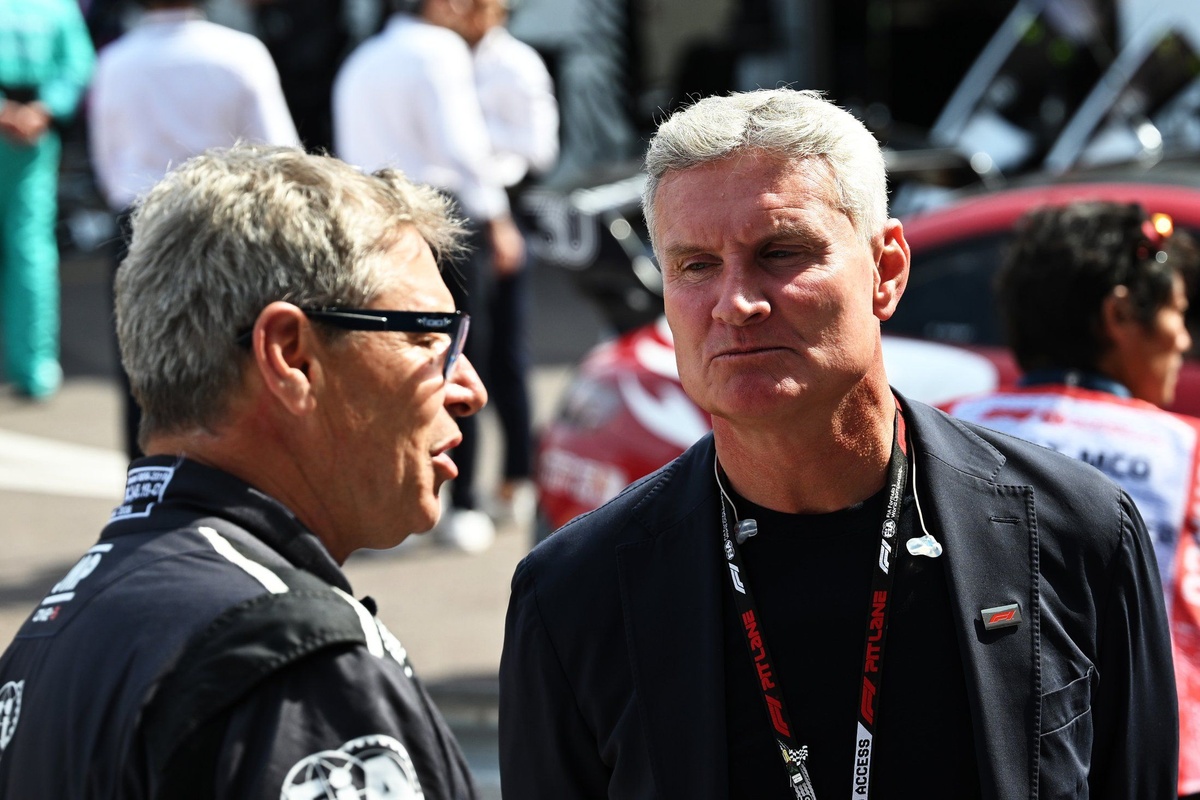
Former Formula 1 driver David Coulthard has called on the Fédération Internationale de l’Automobile (FIA) to prioritize entertainment and spectacle following a perceived lack of excitement during the closing stages of the British Grand Prix. Coulthard argued that the governing body must balance strict regulatory adherence with the need to provide a compelling show for global audiences, according to reports from FormulaRapida.
The critique follows a race weekend at Silverstone where the tension of the final laps failed to meet the expectations of some analysts and fans. Coulthard, a veteran of the sport and current analyst, suggested that the current approach to race management can sometimes stifle the natural drama of the competition.
This tension between sporting integrity and “entertainment” has become a central theme in the modern era of F1, as the sport expands its footprint in the United States and seeks to attract younger demographics through high-action broadcasting.
Why is David Coulthard calling for more entertainment in F1?
Coulthard’s comments stem from a belief that the FIA’s current officiating and regulatory framework can lead to anticlimactic finishes. According to FormulaRapida, the former driver expressed disappointment with the conclusion of the British Grand Prix, noting that the spectacle suffered when the thrill of the race was mitigated by the way the event was managed.

The “entertainment” factor in Formula 1 often refers to the frequency of overtakes, the unpredictability of the podium, and the drama surrounding penalty decisions. When a race ends in a predictable fashion or is interrupted by lengthy administrative delays, critics like Coulthard argue that the sport loses viewers.
For context, the Fédération Internationale de l’Automobile (FIA) is responsible for the rules and regulations of the sport, while Formula One Management (FOM) handles the commercial side. The friction occurs when the FIA’s mandate for safety and rule enforcement clashes with FOM’s goal of maximizing viewership and engagement.
How does the FIA balance rules versus spectacle?
The FIA maintains that the integrity of the sport relies on the consistent application of the Sporting Code. However, the introduction of “Sprint” races and changing points systems in recent years show an institutional shift toward increasing the number of competitive moments per weekend.

Critics often point to the use of Virtual Safety Cars (VSC) and full Safety Cars as tools that can either create a thrilling finish or “freeze” a race, preventing the leaders from fighting for the win. Coulthard’s appeal highlights a desire for a framework that encourages closer racing and more decisive on-track action.
The impact of these decisions is felt most by the fans in the grandstands and the millions watching via broadcast. If the governing body is perceived as too rigid, the sport risks being viewed as a procession rather than a race, which can diminish the value of broadcasting rights and ticket sales.
What are the implications for future Grand Prix events?
If the FIA adopts a more “entertainment-focused” approach, it could lead to changes in how penalties are applied or how race restarts are managed. There is a constant debate among drivers and stewards regarding “letting them race,” a philosophy that favors minimal interference even if a minor rule is breached.
This discussion is particularly relevant as F1 continues its growth in North America, where the “show” aspect of sports is highly prioritized. The challenge for the FIA is to evolve without compromising the safety standards that have defined the sport since its inception in 1950.

Stakeholders, including team principals and drivers, frequently weigh in on these matters. While some prefer the strict adherence to the rulebook to ensure fairness, others agree with Coulthard that the sport must evolve to keep the audience engaged in an increasingly competitive media landscape.
The next major checkpoint for the sport’s regulatory direction will be the ongoing discussions regarding the 2026 technical regulations, which aim to further enhance overtaking and sustainability. Fans and analysts will be watching to see if the “entertainment” plea results in tangible changes to race direction in the coming seasons.
Do you think the FIA should prioritize the “show” over strict rule enforcement? Share your thoughts in the comments below.