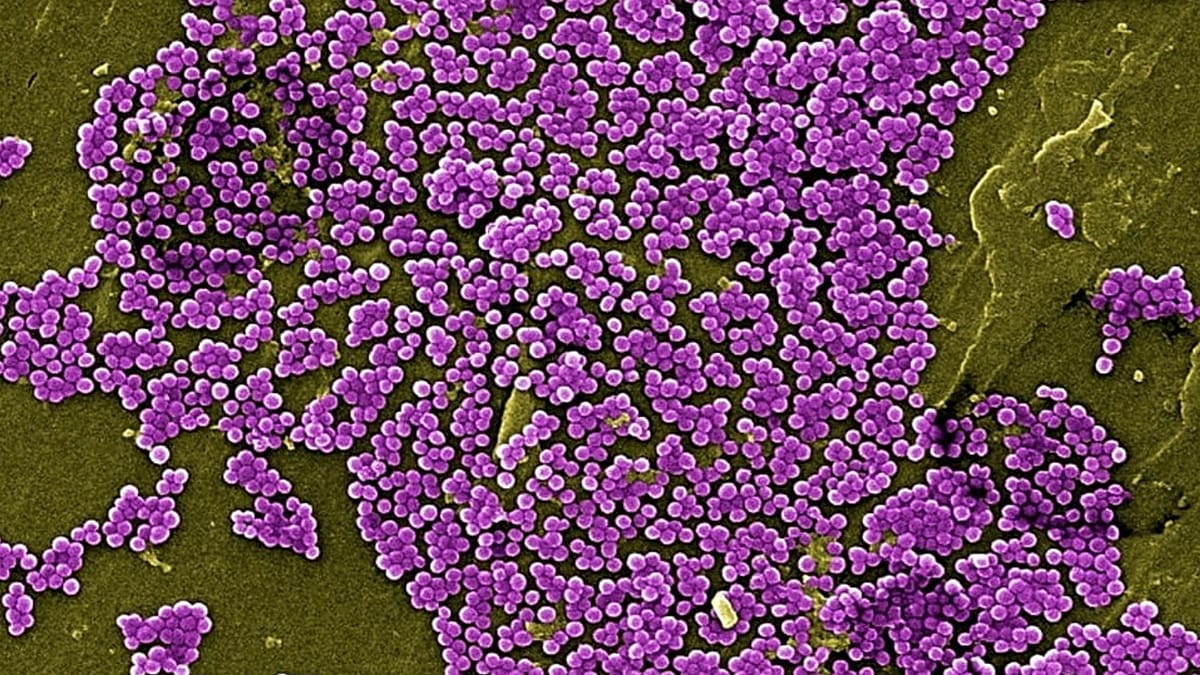
Researchers at Pompeu Fabra University in Barcelona have identified a novel mechanism that potentially renders antibiotic-resistant bacteria vulnerable by stripping away their protective barriers. This discovery, published in the journal Nature Communications, offers a new approach to addressing the growing global health crisis of antimicrobial resistance (AMR), which the World Health Organization currently ranks as one of the top ten public health threats facing humanity.
The study, led by researchers at the university’s Department of Medicine and Life Sciences, focuses on the structural integrity of bacterial cell envelopes. By targeting specific proteins responsible for maintaining the outer shell of Gram-negative bacteria, the team successfully demonstrated in laboratory settings that these pathogens lose their primary defense mechanism, making them significantly more susceptible to existing antibiotic treatments.
Understanding the Mechanism of Bacterial Defense
Gram-negative bacteria are notoriously difficult to treat because they possess a dual-membrane structure that acts as a formidable barrier against many conventional drugs. According to the World Health Organization, this inherent resistance contributes to the rising difficulty in treating common infections such as pneumonia, urinary tract infections, and bloodstream infections. The Pompeu Fabra team identified a molecular pathway that regulates the assembly of these protective membranes.

In the laboratory, the researchers disrupted the function of specific chaperones—proteins that assist in the transport and folding of other proteins—within the bacterial cell. By inhibiting these chaperones, the bacteria were unable to properly assemble their outer membrane. Without this structural protection, the internal components of the bacteria become exposed, effectively neutralizing the cell’s natural resilience to chemical agents.
The Global Implications of Antibiotic Resistance
The urgency of this research is underscored by the scale of the AMR crisis. A comprehensive study published in The Lancet estimated that bacterial antimicrobial resistance was directly responsible for 1.27 million deaths globally in 2019, and associated with approximately 4.95 million deaths. These figures highlight the necessity for new therapeutic strategies that move beyond traditional antibiotic development, which has slowed significantly in recent decades.

Current medical protocols rely heavily on a shrinking arsenal of effective drugs. The mechanism identified by the Barcelona-based team does not act as a traditional antibiotic itself; rather, it functions as a “sensitizer.” By degrading the protective wall of the bacteria, it allows previously ineffective antibiotics to penetrate the cell and eliminate the pathogen. This strategy could potentially rejuvenate older, abandoned antibiotics that are no longer effective on their own.
Next Steps in Clinical Research
While the results in controlled laboratory environments are promising, the transition to clinical application remains a complex process. The researchers noted that further studies are required to ensure that this protein-targeting mechanism can be safely utilized in humans without causing off-target effects on healthy cells. The specificity of the target is critical to avoiding toxicity.
Development in this field is strictly regulated by international standards for drug discovery. According to the European Medicines Agency, any new therapeutic candidate must undergo rigorous preclinical safety testing followed by multi-phase clinical trials to establish efficacy and dosage safety. The Pompeu Fabra group is currently moving toward the next phase of research, which involves testing the mechanism in more complex biological models to verify its viability for eventual human treatment.
Future Outlook
The scientific community continues to monitor developments in AMR research as part of the broader Global Action Plan on Antimicrobial Resistance. As institutions like Pompeu Fabra University publish their findings, the data is integrated into existing databases to help researchers worldwide coordinate their efforts against multi-drug resistant organisms.

The next confirmed checkpoint for this research will involve peer-reviewed follow-up studies regarding the long-term stability of these protein-disrupting compounds. For those interested in tracking the broader progress of international AMR policies and scientific breakthroughs, official updates are regularly published through the Centers for Disease Control and Prevention and similar global health monitoring bodies. We encourage our readers to share their thoughts on these developments in the comments section below.