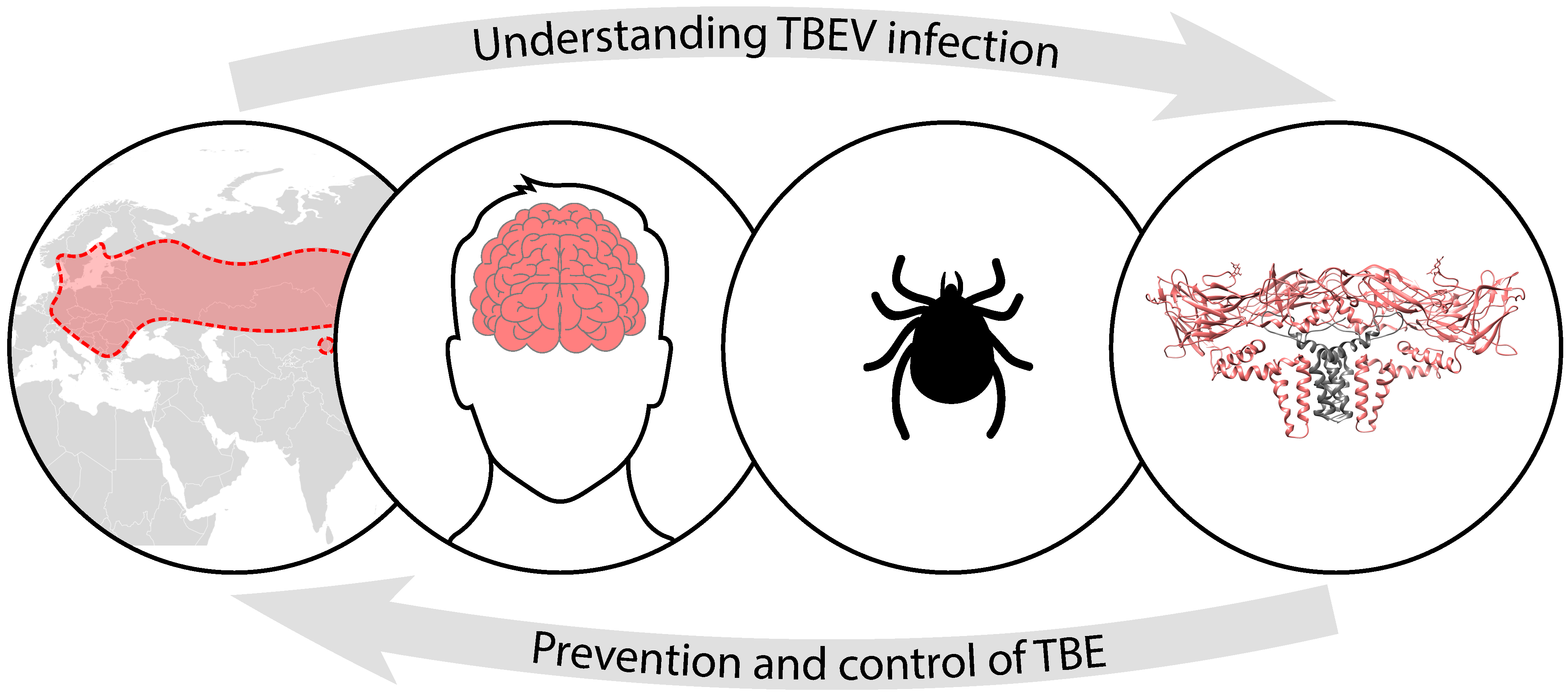
Tick bites, while often dismissed as minor outdoor annoyances, can lead to severe, life-altering medical conditions in rare instances. Recent medical reports highlight the potential for rapid transmission of pathogens, with some experts noting that certain tick-borne viruses can be transferred to a human host within 15 minutes of attachment. Public health officials emphasize that while not all ticks carry infectious diseases, the risk of transmission increases the longer an insect remains attached to the skin.
I have observed that the primary danger associated with tick bites is not merely the initial puncture, but the pathogens—such as bacteria, parasites, or viruses—that these arachnids may harbor. Understanding the mechanics of tick attachment and the importance of prompt removal is critical for public health, particularly for those who frequent wooded areas or tall grass with pets.
Understanding Tick-Borne Pathogen Transmission
The speed at which a pathogen enters the bloodstream varies significantly depending on the specific disease. However, other illnesses, particularly viral infections, can be transmitted much faster.
The “15-minute” window often cited in clinical discussions refers to the rapid transfer of specific viruses that may reside in the tick’s salivary glands. When a tick bites, it injects a small amount of saliva that contains anesthetic and anticoagulant properties to facilitate feeding. If the tick is already infected with a high viral load, these pathogens can move into the host almost immediately upon the commencement of feeding.
Recognizing Symptoms and Seeking Medical Care
The early detection of a tick bite is the most effective way to prevent the onset of serious illness. Following an outdoor excursion, individuals should perform a thorough “tick check” on their body, paying close attention to hidden areas such as the scalp, behind the ears, armpits, and the groin. If a tick is discovered, it must be removed correctly using fine-tipped tweezers by grasping the tick as close to the skin’s surface as possible and pulling upward with steady, even pressure.

Clinical symptoms of a tick-borne illness often mimic common flu-like conditions. Early signs to monitor include:
- Unexplained fever or chills
- Aches and pains in muscles or joints
- Persistent fatigue
- Headaches
- A characteristic “bullseye” rash
If you develop a fever or rash within a few weeks of removing a tick, it is essential to consult a healthcare provider immediately. Be prepared to inform the physician about the recent tick bite and the location where the exposure likely occurred, as this information is vital for diagnostic accuracy.
Preventive Measures for Outdoor Enthusiasts
Prevention remains the cornerstone of managing the risks associated with tick exposure. For those who enjoy hiking or walking dogs in rural or suburban areas, the following strategies can significantly reduce the likelihood of a bite:
- Wear Protective Clothing: Opt for long-sleeved shirts and long pants tucked into socks. Light-colored clothing makes it easier to spot crawling ticks.
- Use Repellents: Products containing DEET, picaridin, or IR3535 are effective when applied to skin or clothing according to the manufacturer’s instructions.
- Treat Gear: Permethrin-treated clothing and outdoor gear provide an additional layer of protection that lasts through several washings.
- Pet Safety: Pets are frequent carriers of ticks into the home environment. Consult a veterinarian about year-round tick prevention treatments for animals.
The Clinical Reality of Severe Outcomes
While the majority of tick bites do not result in severe or permanent disability, the potential for neurological complications exists. In rare cases, viruses transmitted by ticks can cause encephalitis (inflammation of the brain). These conditions can lead to long-term cognitive or physical impairments if not addressed promptly.
The medical community continues to track the geographic expansion of various tick species due to changing climate patterns and environmental factors. As these populations shift, the regions where specific tick-borne diseases are endemic also change. Staying informed through local health department updates and recognizing that tick activity is not limited to mid-summer months are essential habits for maintaining personal safety.
Public health agencies regularly update their surveillance data regarding tick-borne disease hotspots. Residents in high-risk areas are encouraged to check official government health portals for seasonal advisories and guidance on local prevention. Readers are invited to share their experiences or questions in the comments section below, and I encourage you to share this information with friends and family who spend time outdoors.