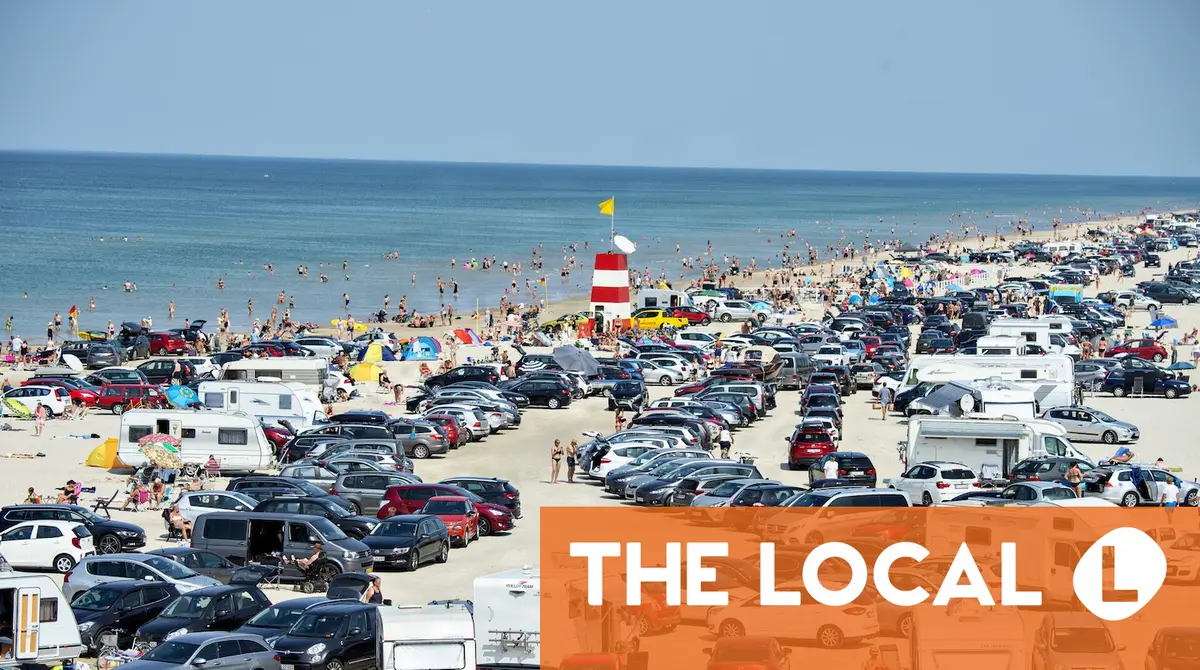
Lifeguards from Trygfonden are urging parents to maintain constant supervision of their children this summer following a surge in lost children during recent heatwaves. The organization reports that lifeguards have spent significant time reuniting children with their parents as high temperatures drive larger crowds to Danish beaches and swimming areas.
The warning comes as part of a broader effort to prevent accidents and distress during the peak vacation season. According to Trygfonden, the increased volume of visitors during heatwaves often leads to lapses in supervision, resulting in children wandering away from their families in crowded coastal environments.
The initiative emphasizes that while lifeguards are present to manage water safety and emergencies, the responsibility for child supervision remains with the guardians. The frequency of “lost child” incidents has become a notable operational burden for beach safety teams during periods of extreme weather.
Heatwaves Increase Risk of Lost Children at Beaches
Extreme heat typically triggers a spike in beach attendance across Denmark. According to Trygfonden, this influx of people creates a challenging environment for parents to keep track of children, especially in areas where the shoreline is crowded or where there are multiple distractions.
Lifeguards report that the process of reuniting children with parents can divert critical resources away from active water surveillance. When a child goes missing, lifeguards must often coordinate searches and manage the distressed child, which can impact the overall safety monitoring of the swimming area.
The organization notes that heat-induced fatigue can also play a role, as both parents and children may become lethargic or distracted by the need to stay cool, leading to a decrease in situational awareness.
Safety Guidelines for Parents and Guardians
To reduce the number of missing children reports, safety experts recommend several preventative measures. Trygfonden suggests that parents establish a clear “meeting point” with their children as soon as they arrive at the beach, ensuring the child knows exactly where to go if they become separated.

Other recommended strategies include:
- Using wristbands or temporary markers on a child’s arm with a parent’s phone number.
- Taking frequent “head counts” and maintaining a physical proximity limit.
- Instructing children to look for the lifeguard towers—which are easily identifiable markers—if they cannot find their parents.
These measures are designed to shorten the time it takes to reunite families and reduce the anxiety associated with a child going missing in a public space.
The Role of Trygfonden in Danish Water Safety
Trygfonden is a major philanthropic organization in Denmark that funds various safety initiatives, including the deployment and training of lifeguards. Their focus is on reducing preventable accidents and improving the quality of life through safety-driven grants and programs.

The presence of certified lifeguards is critical not only for rescuing swimmers in distress but also for managing the logistics of crowded public beaches. By issuing these warnings, Trygfonden aims to shift the burden of supervision back to the parents, ensuring that lifeguards can focus on preventing drownings and other life-threatening emergencies.
The organization continues to monitor beach trends and weather patterns to deploy resources effectively across Denmark’s coastline during the summer months.
Parents are encouraged to stay updated on local weather alerts and beach safety advisories provided by municipal authorities and the Danish Meteorological Institute. For the most current safety guidelines, visitors should consult the official signage posted at designated bathing beaches.
Please share this safety warning with other parents and leave your thoughts on beach safety in the comments below.