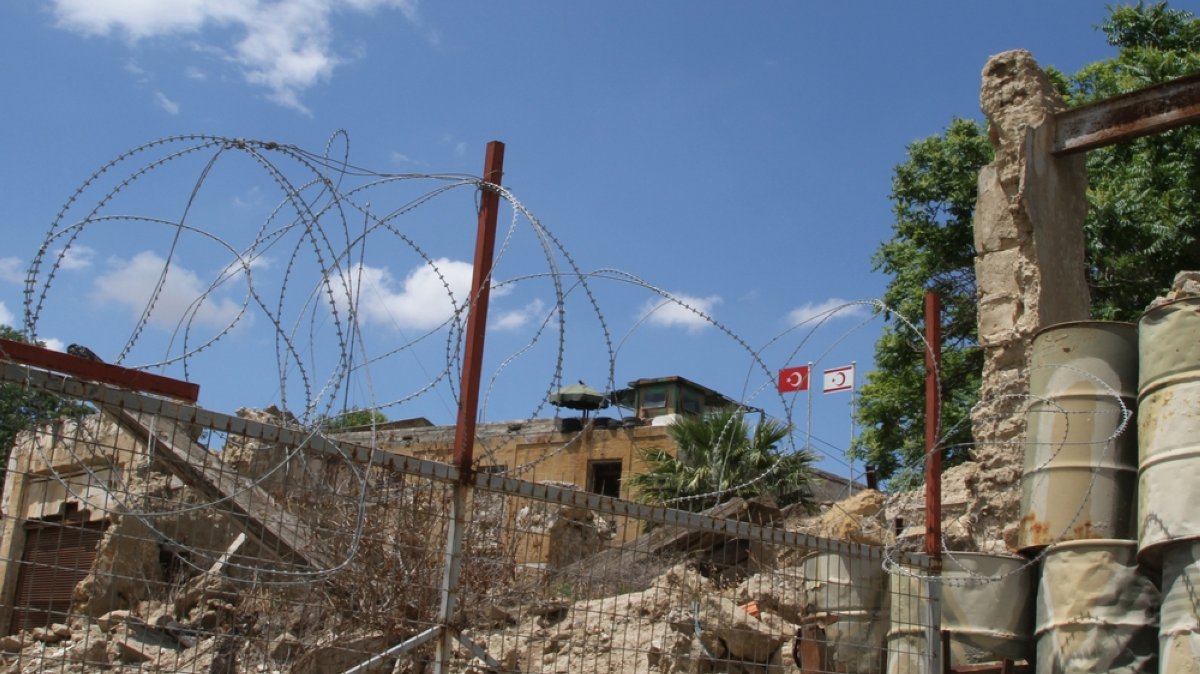
United Nations efforts to reunify Cyprus remain at a stalemate as the international community navigates the latest iteration of diplomatic outreach. The search for a resolution to the island’s decades-long division continues to face fundamental disagreements between the Greek Cypriot and Turkish Cypriot communities regarding the structure of a potential federal state and the extent of sovereign equality. While the UN continues to facilitate discussions, the lack of consensus on the core constitutional framework has left stakeholders questioning the viability of the current diplomatic path.
The island of Cyprus has been divided since 1974, when a Greek Cypriot coup aimed at union with Greece prompted a Turkish military intervention that resulted in the partition of the territory. The Republic of Cyprus, an EU member state, exercises control over the southern two-thirds of the island, while the Turkish Republic of Northern Cyprus—recognized only by Turkey—occupies the north. According to United Nations Peacekeeping Force in Cyprus (UNFICYP) records, the buffer zone remains one of the longest-running peacekeeping operations in the world, underscoring the protracted nature of the conflict.
The Structural Challenges of Federal Negotiations
Negotiations for a settlement have historically centered on the concept of a bi-zonal, bi-communal federation. However, the definition of this framework remains the primary point of contention. The Greek Cypriot side advocates for a federal model that maintains the continuity of the existing Republic of Cyprus, emphasizing a single sovereignty and a single international personality. Conversely, the Turkish Cypriot leadership, supported by Ankara, has increasingly shifted its position toward a “two-state solution,” arguing that the failure of past federal models proves that a new approach is necessary to recognize the sovereign equality of both communities.

This impasse was most notably highlighted during the 2004 referendum on the Annan Plan. The plan, named after the then-UN Secretary-General Kofi Annan, proposed a comprehensive settlement to reunify the island under a new federal structure. While 65% of Turkish Cypriots voted in favor of the proposal, 76% of Greek Cypriots rejected it, citing concerns over security guarantees and the presence of Turkish troops. Since that vote, the UN has struggled to find a compromise that satisfies the security requirements of both sides while addressing the political status of the two communities.
Diplomatic Stagnation and the Role of Envoys
The United Nations has frequently appointed personal envoys to explore the possibility of restarting formal negotiations. In early 2024, Secretary-General António Guterres appointed María Angela Holguín Cuéllar as his Personal Envoy on Cyprus to assess whether common ground exists for a return to the negotiating table. Her mandate involves engaging with both sides to determine if a breakthrough is possible, given the hardening positions of the leadership in Nicosia and the north.

As reported by the United Nations and international news agencies, the envoy’s efforts have underscored the difficulty of bridging the gap between the demand for a sovereign two-state solution and the international consensus, which remains tied to a federal model. The lack of movement has led to concerns that the “constructive ambiguity” often employed in UN diplomacy may no longer be sufficient to mask the deep structural differences between the two parties.
Security Concerns and External Influences
The Cyprus issue is further complicated by the involvement of regional powers, particularly Greece and Turkey. Turkey maintains approximately 30,000 troops in the north, a presence that the Greek Cypriot government views as an illegal occupation. Turkey argues that its military presence is necessary to protect the Turkish Cypriot minority from potential marginalization. This security dilemma has been a recurring theme in every major peace attempt, including the 2017 Crans-Montana talks, which ended without a definitive agreement on the future of these guarantees.
The European Council has repeatedly emphasized that a settlement must be based on a bi-zonal, bi-communal federation with political equality, in accordance with relevant UN Security Council resolutions. This position places the EU in direct conflict with the Turkish Cypriot push for a two-state model, effectively limiting the room for diplomatic maneuvering by the UN envoy. Without a shift in the fundamental requirements for security and political governance, observers suggest that new diplomatic blueprints are unlikely to succeed where previous attempts have faltered.
Next Steps in the Diplomatic Process
The diplomatic process currently remains in a period of assessment. The UN envoy is expected to continue her consultations with the leaders of both communities and the guarantor powers—Greece, Turkey, and the United Kingdom—to determine the next phase of engagement. No date has been set for a formal return to comprehensive, high-level negotiations. Interested parties can monitor official updates on the status of the envoy’s mission through the UN Secretary-General’s official statements and press briefings.

The path forward remains uncertain, as both sides continue to reiterate their established positions. Whether the current diplomatic efforts can produce a departure from the historical cycle of failure will depend on the willingness of the parties to engage in substantive concessions that have remained elusive for nearly five decades.