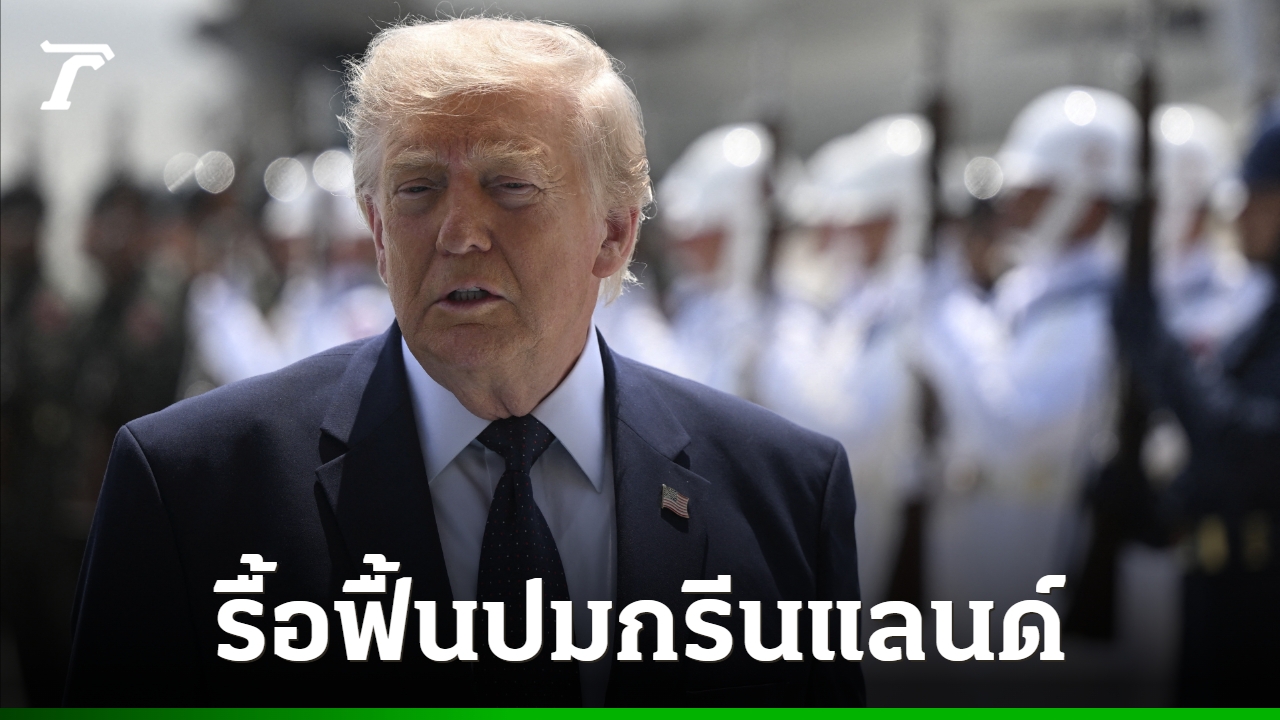
Donald Trump has reignited discussions regarding the potential purchase of Greenland and threatened to withdraw U.S. troops from Europe, according to recent reports. These statements come as Trump prepares for engagements with NATO allies, where he continues to pressure European nations to increase their national defense spending to meet or exceed alliance targets.
This shift occurs as the war in Ukraine remains a catalyst for European security anxieties.
The NATO Secretary General has urged member states to provide concrete plans to reach defense investment goals, with some discussions suggesting a target of 5% of GDP for certain nations to ensure readiness.
Trump’s Greenland Interests and NATO Strategic Shifts
Donald Trump expressed interest in purchasing Greenland.
The revival of this discourse coincides with Trump's pressure on NATO members.
Defense Spending Targets and the 5% GDP Proposal
The NATO Secretary General has called for member nations to present concrete, transparent plans to boost their defense budgets. Some reports indicate a push toward a 5% GDP target for specific capabilities or nations to address the urgent needs of the Ukrainian conflict and the broader threat from Russia.

The Impact of Ukraine and the NATO Defense Industrial Base
The ongoing war in Ukraine has forced NATO to pivot. To address this, allies have launched joint initiatives focused on defense materials and critical technologies.
Trump’s presence at NATO meetings in Turkey adds a layer of unpredictability.
Comparison of NATO Spending Perspectives
| Perspective | Primary Goal | Proposed Mechanism | View on U.S. Troops |
|---|---|---|---|
| Traditionalist | Collective Deterrence | Increase to 2%+ GDP | Essential for security |
| Transactional (Trump) | U.S. Cost Reduction | Aggressive targets (up to 5% GDP) | Leverage for financial concessions |
What Happens Next for the Alliance
The immediate focus for NATO members is the formulation of the "concrete plans" requested by the Secretary General.
We invite our readers to share their perspectives on whether a transactional approach to alliances strengthens or weakens global security in the comments below.