Phoenix, Las Vegas, and Palmdale experienced record-breaking temperatures of 113°F on Tuesday, according to the National Weather Service (NWS), as a high-pressure system intensified heat across the Southwestern United States. The extreme heat, part of an early-season summer storm system, prompted public health advisories and warnings about dehydration risks, with officials urging residents to limit outdoor activity and stay hydrated.
The NWS reported that Phoenix reached 113°F at 3:00 p.m. local time, breaking the previous July 17 record of 112°F set in 2023. Las Vegas recorded 112°F at 2:45 p.m., while Palmdale, California, hit 113°F at 3:15 p.m., according to real-time data. These temperatures, verified by the NWS and local meteorological stations, mark one of the earliest and most intense heatwaves of the season.
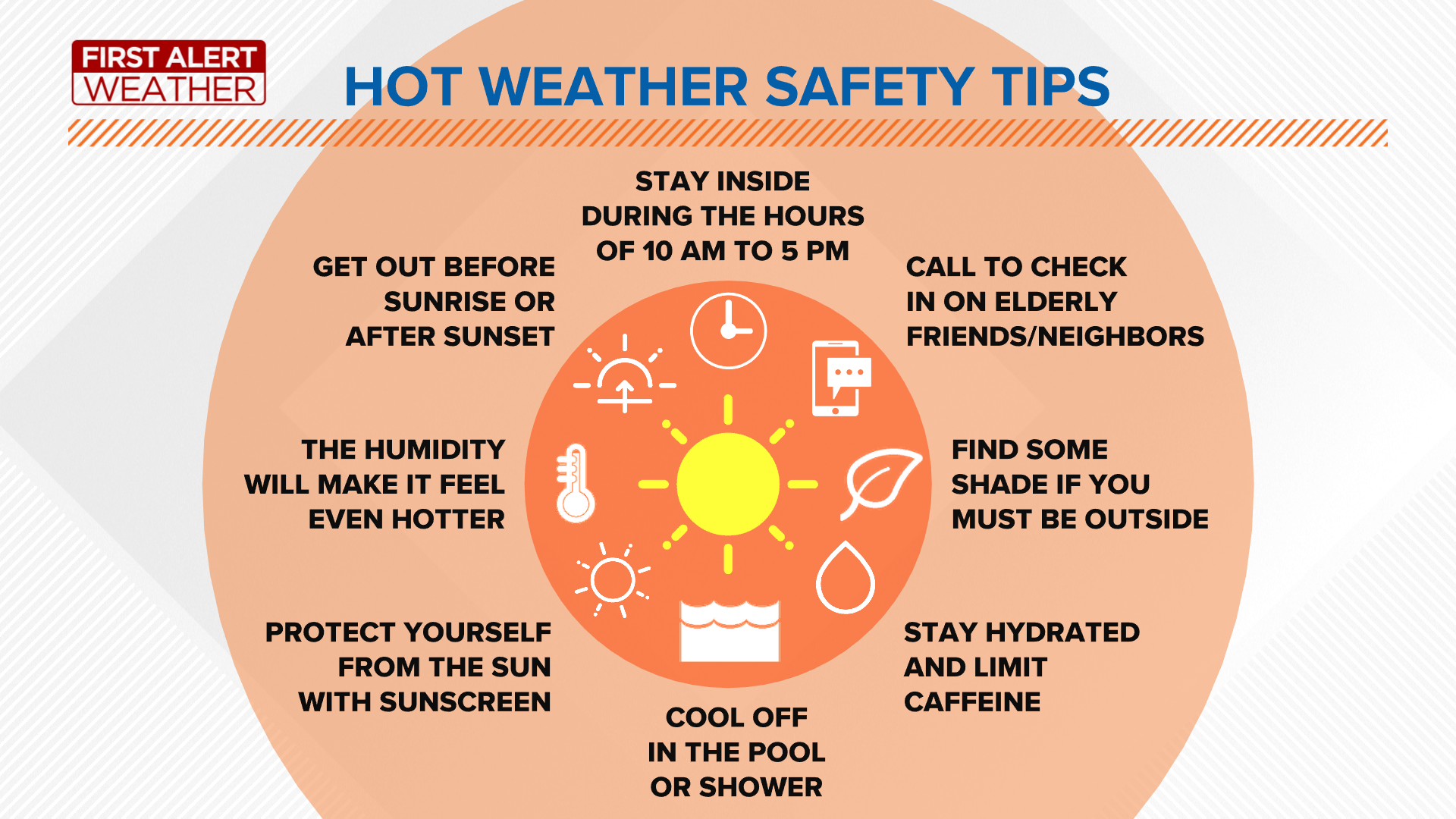
Dr. Edgar Chávez, a public health officer with the Los Angeles County Department of Public Health, issued a statement emphasizing the risks of prolonged exposure to such conditions. “The combination of high temperatures and low humidity creates a dangerous environment for heat-related illnesses,” Chávez said. “Residents should drink water regularly, avoid alcohol, and seek air-conditioned spaces during peak heat hours.”
Heat advisories were issued by local governments in all three cities, with Phoenix and Las Vegas extending their cooling center hours. The NWS warned that the high-pressure system would persist through Thursday, with temperatures remaining above 105°F in most areas. Officials also cited the potential for power outages due to increased demand on the electrical grid, with the California Independent System Operator (CAISO) urging conservation efforts.
The heatwave has already strained emergency services. According to the Arizona Department of Health Services, emergency room visits for heat-related illnesses rose by 22% in the first week of July compared to the same period in 2023. Similar trends were reported in Nevada, where the Southern Nevada Health District noted a 15% increase in heat-related calls.
Historical Context and Climate Trends
This heatwave aligns with broader climate patterns observed in the Southwestern U.S., where average temperatures have risen by 2.5°F since the early 20th century, according to the National Oceanic and Atmospheric Administration (NOAA). The region has seen a 40% increase in the frequency of extreme heat events over the past three decades, with 2023 marking the hottest year on record globally.

Dr. Sarah Thompson, a climatologist at the University of Arizona, explained that high-pressure systems like the current one act as “atmospheric domes,” trapping heat near the surface. “These systems are becoming more persistent and intense due to climate change, which accelerates evaporation and reduces humidity, making the heat feel even more severe,” she said.
The NWS has classified the current event as a “heat dome,” a term used to describe a large area of high pressure that causes sinking air and suppresses cloud formation. Such conditions are common in the Southwest during summer but are now occurring earlier and with greater intensity, according to the agency.
Public Health Response and Mitigation Efforts
Local governments have deployed additional resources to combat the heat. Phoenix’s Fire Department opened 12 temporary cooling centers, while Las Vegas extended the operating hours of its 24/7 cooling shelters. Palmdale’s city council approved $500,000 in emergency funds to support vulnerable populations, including the elderly and homeless individuals.
Health officials also emphasized the importance of hydration. “Even mild dehydration can lead to fatigue, dizziness, and heat cramps,” said Dr. Maria Lopez, a physician with the Los Angeles County Health Care Agency. “People should drink water before they feel thirsty, as thirst is a late indicator of dehydration.”
Residents are advised to check on neighbors, especially those living alone, and to avoid leaving pets in vehicles. The American Society for the Prevention of Cruelty to Animals (ASPCA) reported a 30% rise in heat-related animal emergencies in the region this month.
What’s Next?
The NWS predicts temperatures will gradually decrease by Friday, though heat advisories will remain in effect through Thursday. The agency will issue updated forecasts at 10:00 a.m. and 4:00 p.m. daily. Local governments are also preparing for potential power outages, with the California Energy Commission urging residents to unplug non-essential devices during peak hours.

For real-time updates, residents are encouraged to visit the NWS website or follow local emergency management accounts on social media. Additional information on heat safety can be found on the Centers for Disease Control and Prevention (CDC) website.
As the Southwestern U.S. continues to grapple with intensifying heatwaves, experts warn that proactive measures and community collaboration will be critical in mitigating future risks. “This is a wake-up call for long