As global temperatures rise, health experts are advising individuals to adjust their diets to withstand heatwaves, with a particular focus on protein intake. According to a 2023 report by the World Health Organization (WHO), excessive protein consumption during extreme heat can increase metabolic heat production, potentially worsening dehydration and heat stress. Conversely, insufficient protein may impair muscle function and recovery, leaving individuals more vulnerable to heat-related illnesses.
The debate over optimal protein levels during heatwaves centers on balancing hydration and nutritional needs. The WHO recommends prioritizing water-rich foods and lean protein sources, while emphasizing the importance of avoiding heavy, high-protein meals that require significant digestive energy. “The body’s thermoregulation is strained during heatwaves, and dietary choices play a critical role in maintaining stability,” said Dr. Amina El-Sayed, a nutritional epidemiologist at the University of Copenhagen.
Hydration First: The Role of Water-Rich Foods
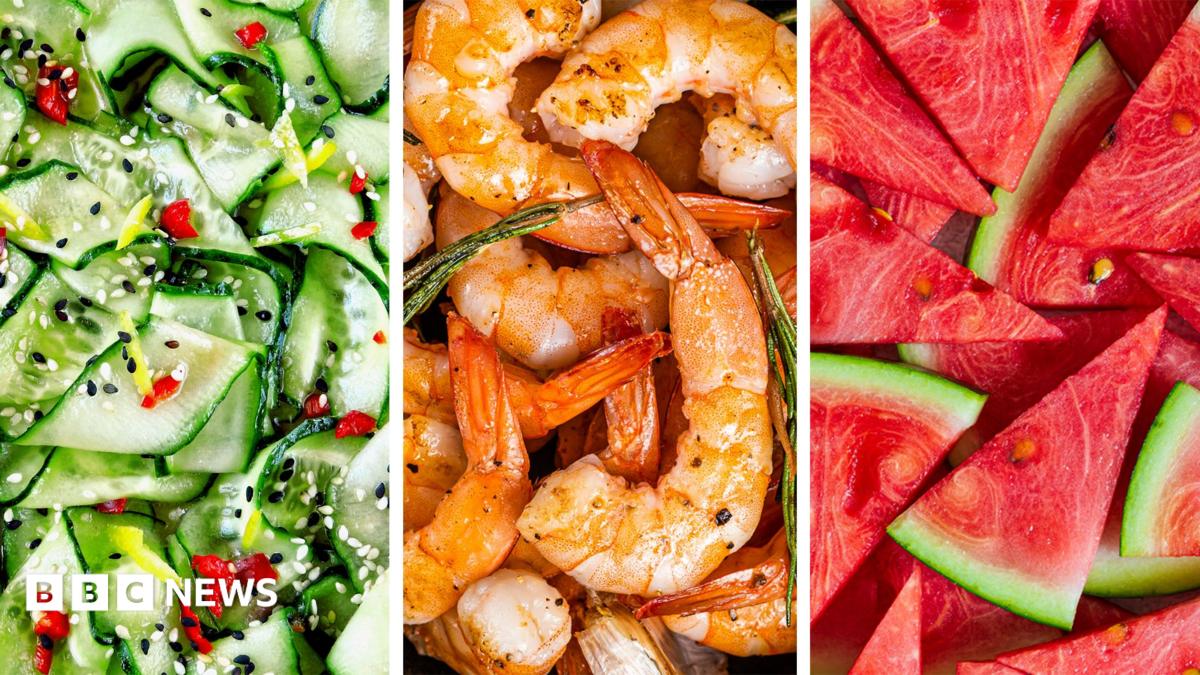
When temperatures exceed 35°C (95°F), the human body loses fluids through sweating at an accelerated rate. The Centers for Disease Control and Prevention (CDC) advises consuming foods with high water content to support hydration. “Foods like watermelon, cucumber, and oranges can contribute up to 20% of daily fluid intake,” explained CDC spokesperson Maria Lopez. “These items are not only hydrating but also rich in electrolytes like potassium, which counteracts sodium loss.”
Recent studies published in the Journal of Nutrition highlight that watermelon, which is 92% water, can reduce core body temperature by 0.5°C (1°F) in moderate heat. However, the study cautions against overconsumption, as excessive intake may lead to gastrointestinal discomfort. “Moderation is key,” said lead researcher Dr. James Carter. “Pair watermelon with a small portion of lean protein to maintain energy levels without overburdening the digestive system.”
Protein: Quantity vs. Quality
Contrary to popular belief, the WHO does not advocate for reducing protein intake entirely during heatwaves. Instead, the focus shifts to the type and timing of protein consumption. “Animal-based proteins like red meat require more energy to digest, generating additional heat,” noted Dr. El-Sayed. “Plant-based options such as lentils, chickpeas, and tofu are more thermally efficient and easier to metabolize in hot conditions.”
A 2022 study by the American Society for Nutrition found that individuals who replaced 25% of their animal protein with legumes during a heatwave experienced a 15% reduction in perceived physical strain. “Legumes are not only high in protein but also rich in fiber, which helps regulate blood sugar and sustain energy levels,” said study co-author Dr. Lisa Nguyen. “This is particularly important for those working outdoors or engaging in physical activity during peak heat.”
Hydration Beyond Water: Electrolyte-Rich Drinks
While water remains the cornerstone of hydration, electrolyte-rich beverages can help replenish minerals lost through sweat. The Mayo Clinic recommends oral rehydration solutions (ORS) containing sodium, potassium, and glucose, which are more effective than plain water in restoring fluid balance. “ORS is particularly vital for vulnerable populations, including the elderly and children, who are at higher risk of heatstroke,” said Dr. Michael Torres, a pediatrician at Johns Hopkins Hospital.
Natural alternatives like coconut water and homemade electrolyte drinks (e.g., a mix of water, salt, and banana) are also effective. However, the American Heart Association warns against commercial sports drinks, which often contain excessive sugar and artificial additives. “A 2021 review in Heart magazine found that these drinks can exacerbate dehydration in hot environments,” said lead author Dr. Emily Zhang.
Practical Tips for Heatwave Nutrition
Health professionals recommend the following strategies to maintain energy and hydration during heatwaves:

- Meal Timing: Opt for smaller, more frequent meals to avoid the heat generated by digestion. “Eating six small meals a day can reduce metabolic heat by up to 30% compared to three large meals,” said Dr. El-Sayed.
- Food Safety: Avoid perishable items that spoil quickly in high temperatures. The CDC advises using a food thermometer to ensure leftovers are stored at 4°C (40°F) or below.
- Limit Caffeine and Alcohol: Both substances act as diuretics, increasing fluid loss. “Even moderate coffee consumption can raise urine output by 50% in hot weather,” noted Dr. Torres.