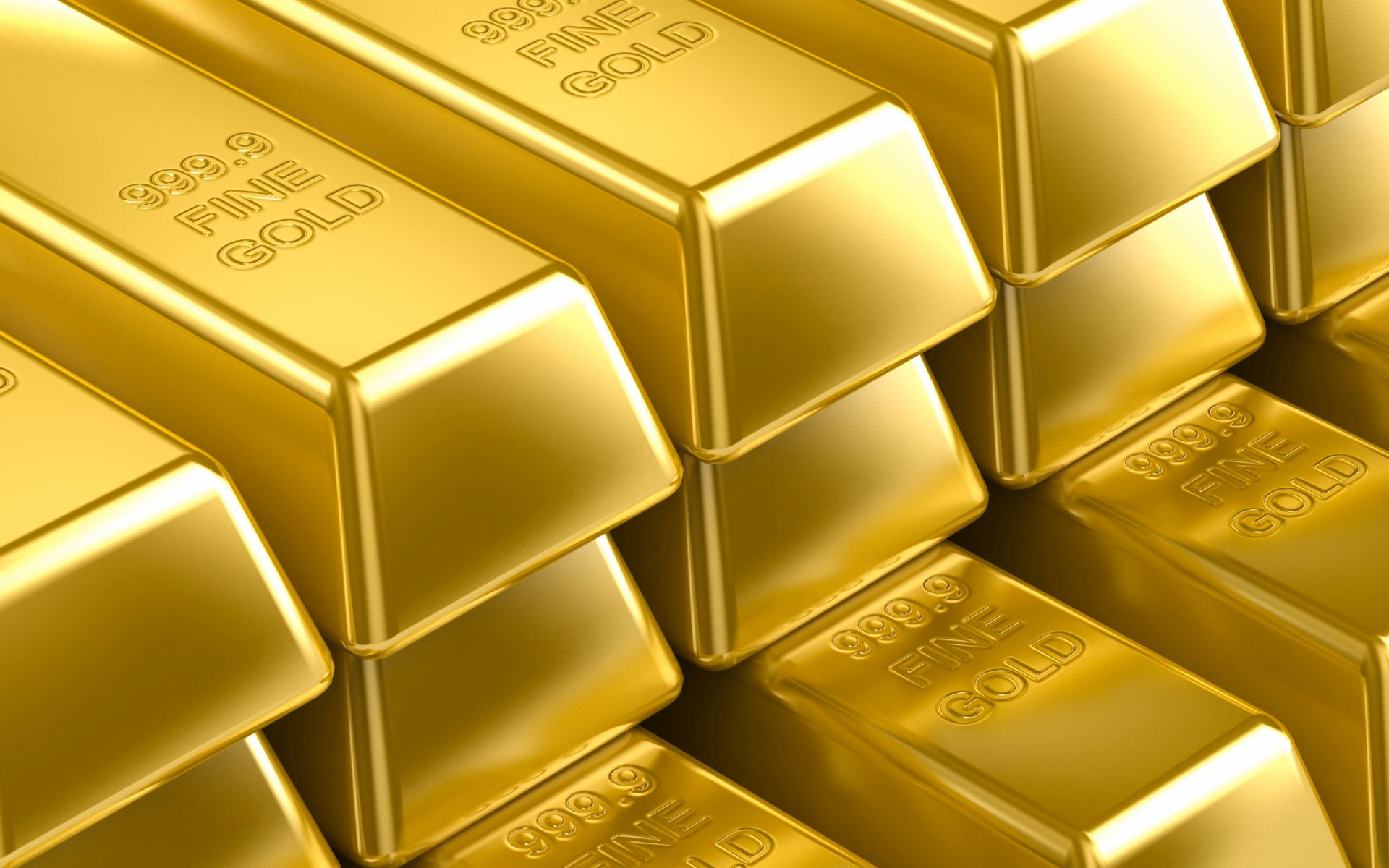
Gold prices have stabilized following a period of decline as investors weigh renewed geopolitical tensions in the Strait of Hormuz against the U.S. Federal Reserve’s projected interest rate path. The precious metal is currently acting as a hedge against regional instability in the Middle East, though its upward momentum is being countered by a strengthening U.S. dollar and anticipation surrounding upcoming central bank communications.
Market volatility reflects a tug-of-war between “safe-haven” demand and macroeconomic pressures. According to reports from Bloomberg Asharq and Al Arabiya, traders are closely monitoring military developments in the Hormuz region—a critical chokepoint for global energy supplies—while simultaneously analyzing the Federal Reserve’s stance on inflation and borrowing costs. This duality has led to a fluctuating price environment where gold gains from political risk are offset by the opportunity cost of holding non-yielding assets when U.S. Treasury yields remain elevated.
The current stability comes after a dip in prices, which analysts attribute to a market recalibration. Investors are shifting their focus toward the release of the Federal Reserve’s meeting minutes, which often provide clues about the timing and scale of future rate cuts. A higher-for-longer interest rate environment generally supports the U.S. dollar and puts downward pressure on gold, as the cost of carrying the metal increases relative to interest-bearing assets.
Geopolitical Risk and the Hormuz Strait Influence
The Strait of Hormuz remains a primary driver for gold’s volatility. As a narrow waterway through which a significant portion of the world’s oil passes, any escalation in military tension or threats to maritime security triggers an immediate flight to safety. According to Al Arabiya, investors have been assessing the implications of U.S. military actions and Iranian responses, which historically drive gold prices higher as a protective asset during periods of conflict.

When tensions spike, gold typically decouples from its traditional relationship with the U.S. dollar, rising even if the dollar is strong. However, the recent stabilization suggests that the market has partially priced in the current level of friction, or that the fear of a wider regional war is being balanced by the reality of U.S. monetary policy. The impact of these tensions is often felt most acutely in the spot price of gold, which reacts in real-time to breaking news from the Gulf region.
Federal Reserve Policy and the U.S. Dollar Correlation
The inverse relationship between gold and the U.S. dollar is currently a dominant theme. According to data analyzed by Bloomberg Asharq and Maaloumat Mubashira, the gold market is in a state of “wait-and-see” regarding the Federal Reserve’s next moves. When the dollar strengthens, gold becomes more expensive for buyers using other currencies, which typically suppresses demand.

The focus is specifically on the Federal Open Market Committee (FOMC) minutes. These documents reveal the internal deliberations of the Fed, providing a window into whether officials are leaning toward a “hawkish” (higher rates) or “dovish” (lower rates) posture. If the minutes suggest that inflation remains stubborn and rate cuts will be delayed, gold may face further headwinds. Conversely, any hint of an imminent pivot toward easing would likely catalyze a rally in bullion prices.
Market Analysis: Divergent Drivers
The current price action demonstrates a conflict between two distinct market forces: geopolitical hedging and monetary valuation. To understand the current trajectory, it is helpful to look at how these factors interact.
| Driver | Impact on Gold | Current Status |
|---|---|---|
| Hormuz Tensions | Bullish (Positive) | Active/Increasing |
| U.S. Dollar Strength | Bearish (Negative) | Rising |
| Fed Interest Rates | Bearish (Negative) | Awaiting Minutes |
This balance explains why prices have “stabilized” rather than continuing a steep climb or crash. The “safe-haven” bid created by the Middle East crisis is effectively canceling out the “monetary drag” created by the Federal Reserve. For global investors, this means gold is currently trading in a range, reflecting a high degree of uncertainty across both political and economic fronts.
Impact on Global Investors and Retail Markets
The volatility is not limited to institutional trading. Retail markets, including those in Egypt and other emerging economies, have seen a reflection of these global trends. Reports from Al-Masry Al-Youm indicate a global downward trend in prices on specific trading days, which trickles down to local jewelry and bullion markets. In these regions, gold is often used not just as an investment but as a primary store of value against local currency devaluation.

For the global investor, the current environment requires a nuanced approach. While the long-term thesis for gold often rests on inflation and currency instability, the short-term price is being dictated by the “news cycle.” The speed at which information travels regarding military movements in the Strait of Hormuz can cause rapid price swings that may wipe out gains made from long-term positioning if the investor is trading on leverage.
The broader implication is that gold is currently serving as a barometer for global anxiety. When the world perceives a risk to the flow of oil or a risk of systemic financial instability due to aggressive monetary tightening, gold becomes the primary destination for capital. The current stability suggests a temporary equilibrium where the market believes the risks are managed but not eliminated.
The next critical checkpoint for the market will be the official release of the Federal Reserve’s meeting minutes. This scheduled update will likely break the current stability, pushing gold either toward a new peak if a dovish tone is adopted, or toward a further decline if the Fed signals a prolonged period of high interest rates. Investors are advised to monitor official Federal Reserve communications for definitive guidance on the U.S. monetary path.
We invite our readers to share their perspectives on how geopolitical tensions are affecting their investment strategies in the comments below.