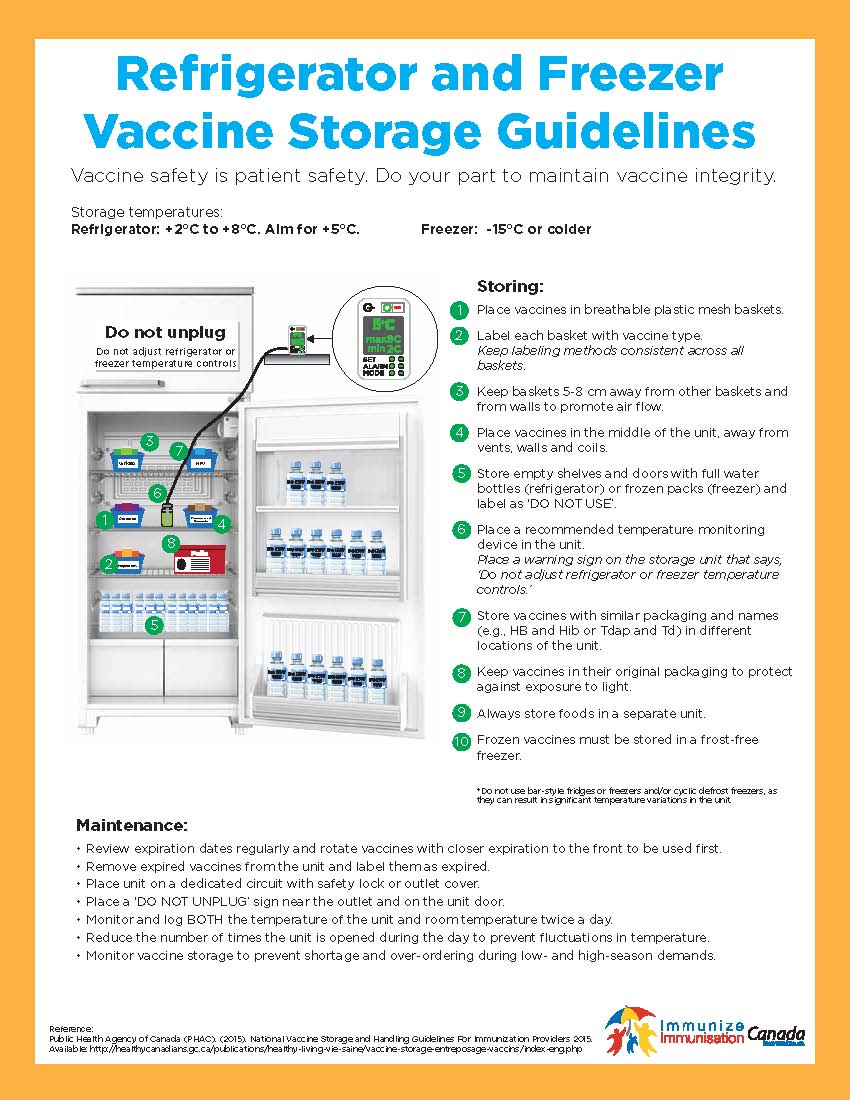
Healthcare professionals in France are navigating a shifting regulatory landscape regarding influenza vaccination, as authorities move to allow doctors, midwives, and nurses to stock vaccines directly in their practices.
Expanding Vaccination Access in Clinical Settings
Recent administrative shifts in France have expanded the role of primary care providers in the influenza vaccination cycle. Physicians, midwives, and nurses are now permitted to store vaccine stocks directly within their medical offices, a change designed to simplify the patient experience by removing the intermediary step of visiting a pharmacy.

The regulatory framework governing this storage is strict, requiring practitioners to adhere to precise cold-chain management standards to ensure vaccine efficacy. For many, this represents a significant shift in operational responsibility. While the policy provides the same rights and obligations across these medical disciplines, professional unions have raised concerns about the practical implementation of these mandates.
Professional Training Versus Mandatory Vaccination
A central point of contention among healthcare stakeholders is whether the emphasis should remain on mandatory vaccination policies or shift toward intensive professional education. Critics of compulsory measures argue that the primary barrier to higher vaccination rates among the public is not a lack of access, but a need for better-informed communication from healthcare providers. By improving the quality of training for medical staff regarding the specific risks of the flu and the benefits of immunization, proponents argue that providers will be better equipped to address patient hesitation.
This perspective suggests that a well-trained, confident medical workforce is more effective at driving public health compliance than top-down mandates. Educational initiatives focused on vaccine literacy allow clinicians to engage in more nuanced discussions with patients, potentially addressing the underlying causes of vaccine skepticism.
Addressing Operational Challenges
The transition toward in-office storage has not been without friction. Reports from medical professional groups highlight four primary areas of concern: the administrative burden of tracking inventory, the financial risk associated with expired stock, the logistical requirements of temperature-controlled storage units, and the potential for increased liability. These concerns are echoed by various practitioner organizations that represent the interests of pharmacists and physicians, who have historically occupied different roles in the vaccine supply chain.

The French Ministry of Health and Prevention continues to refine these protocols, with updates often provided through official circulars distributed to health professionals. These documents outline the specific requirements for temperature monitoring and the legal obligations of practitioners who choose to maintain their own vaccine inventory. Practitioners are encouraged to consult their regional health agencies (Agences Régionales de Santé) for the most current guidance on compliance and the reimbursement process for vaccines administered in-office.
Future Developments and Official Guidance
As the healthcare sector prepares for the upcoming flu season, practitioners should monitor official bulletins for any changes to eligibility criteria or updated safety protocols.
For those interested in the evolving standards of care, further information regarding vaccination schedules and professional requirements can be found on the Vaccination Info Service, the official portal for public health information in France. We invite our readers to share their perspectives on this shift in the comments section below, as the dialogue between policy makers and frontline health workers remains essential to shaping effective public health outcomes.