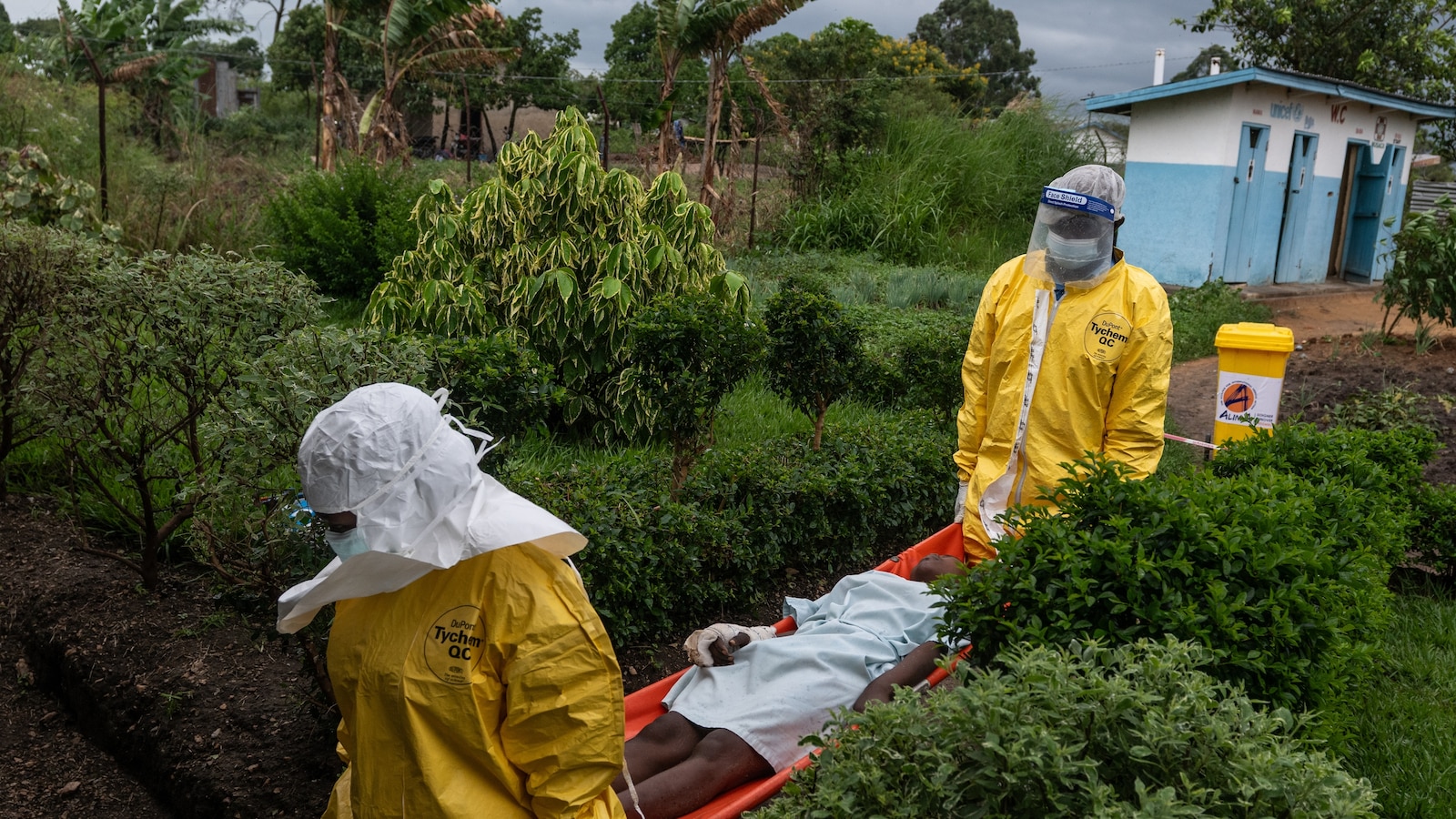
Healthcare workers responding to the ongoing Ebola outbreak in the Democratic Republic of the Congo have initiated a strike to protest long-standing delays in their salary payments. The labor action comes as the national death toll from the virus approaches 600, according to data monitored by international health organizations and the World Health Organization (WHO). The strike has caused significant concern among aid agencies, as the walkout threatens to disrupt critical containment efforts in high-risk zones.
The protest centers on the failure to distribute hazard pay and regular wages to the frontline staff—including nurses, burial teams, and surveillance officers—who are tasked with managing the highly infectious disease. Many of these workers have reported that they have gone months without receiving their promised stipends, leading to widespread frustration and financial instability for those working in the most volatile areas of North Kivu and Ituri provinces (Reuters). These provinces remain the primary focus of the government’s response efforts, which are complicated by ongoing regional instability and limited access to rural communities.
The Impact of Labor Disputes on Ebola Containment
The disruption of healthcare services during an epidemic creates an immediate risk for both the workers and the general population. When surveillance teams and vaccination clinics cease operations, the ability to trace contacts and isolate new cases is severely diminished. The WHO has consistently identified rapid detection and safe burial practices as the cornerstones of controlling Ebola transmission (Centers for Disease Control and Prevention). Without these services, the risk of community-level spread increases significantly.

According to local reports, the striking staff are demanding transparency regarding the funding provided by international donors and the Congolese government. While the government has historically received millions in emergency aid to combat the outbreak, the flow of these funds to the actual point of service has been a recurring point of contention. The inability to ensure consistent pay has historically served as a catalyst for industrial action in the region’s public health sector, often forcing international NGOs to mediate between the state and the labor unions.
Historical Context and Financial Oversight
This is not the first instance of labor unrest impacting public health initiatives in the Democratic Republic of the Congo. Financial mismanagement and bureaucratic hurdles have frequently hampered humanitarian responses in the region. The complexity of the funding landscape, which involves multiple UN agencies, private donors, and state-run health ministries, often leads to delays in payroll processing for local contractors and temporary staff.
International observers have previously noted that the logistical challenges of operating in Eastern Congo are compounded by the lack of secure banking infrastructure in remote zones. However, the workers argue that the delays are as much about administrative negligence as they are about logistics. The current strike highlights the human cost of these systemic failures, as those on the front lines of the epidemic are forced to choose between continuing their life-saving work and providing for their own families.
Next Steps for Public Health Stability
The Congolese Ministry of Health is expected to engage in further negotiations with health worker unions to resolve the payment disputes and resume full-scale operations. International agencies, including the WHO and UNICEF, are monitoring the situation closely to determine if emergency intervention is required to stabilize the workforce.

For updates on the status of healthcare operations in affected provinces, residents and observers are encouraged to consult the official bulletins issued by the World Health Organization’s Disease Outbreak News portal. As the situation evolves, the primary focus remains on restoring the chain of command for clinical care and ensuring that the financial support intended for frontline responders is distributed without further obstruction. We will continue to track these negotiations and provide updates as official statements are released by the involved parties.
Have you been affected by these service disruptions or do you have information regarding the situation on the ground? Share your insights and join the conversation in the comments below.