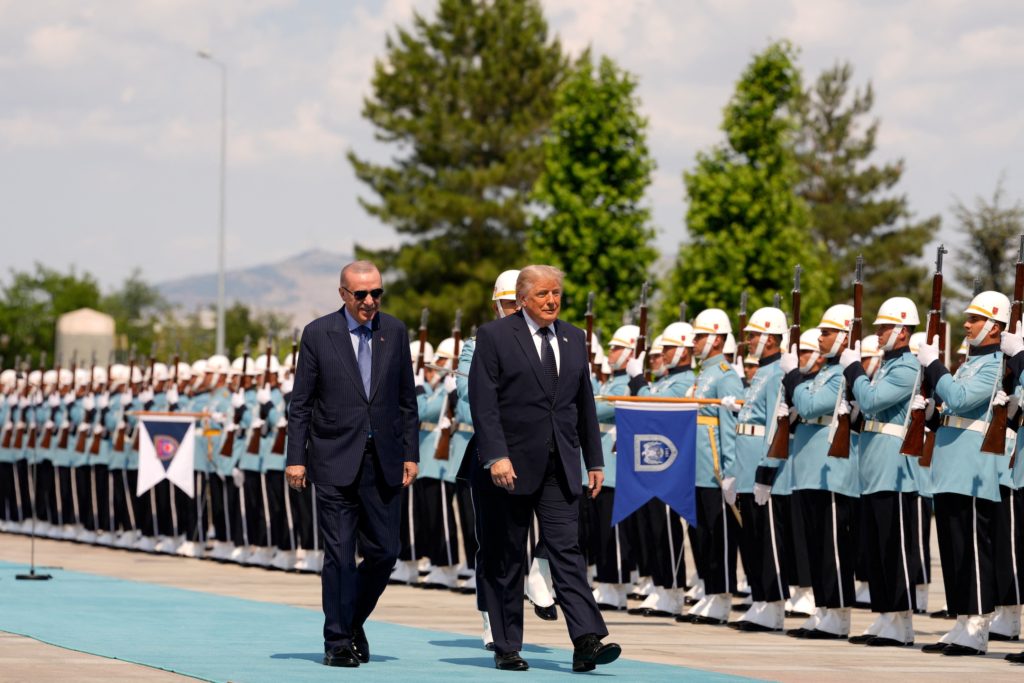
NATO leaders are convening this week to address a complex security agenda, balancing the urgent need for collective European defense with renewed diplomatic friction regarding military spending and geopolitical priorities. The summit, hosted in Turkey, serves as a flashpoint for long-standing tensions within the alliance, particularly as the United States continues to exert pressure on member states to increase their national defense budgets and align more closely with American strategic objectives in the Middle East.
The alliance currently faces internal debates that challenge the cohesion of its member nations.
Defense Spending and the 2% Mandate
The core of the current dispute remains defense spending. Despite consecutive years of growth in defense spending across the alliance, some member nations continue to fall short of benchmarks, prompting criticism from the United States.
Geopolitical Friction and Middle East Policy
Beyond fiscal policy, the summit is underscored by the conflict in the Middle East. The divergence between the U.S. position on Iran and the varying approaches taken by European NATO members has created a notable diplomatic rift. While the U.S. has pursued a policy of direct pressure, including recent military strikes, many European allies have advocated for diplomatic engagement to maintain regional stability.
The refusal of several key European allies to support the U. S. and Israeli war in Iran has been met with frustration from President Trump.
Strategic Implications for the Alliance
The current situation remains fluid. For stakeholders and global observers, the key indicator to watch will be the formal commitments made by member nations during the plenary sessions.
We will continue to monitor the official briefings and post-summit declarations to provide further analysis on how these discussions impact global market stability and international security policy. Readers are encouraged to follow our coverage for updates on these developments as they emerge from the summit proceedings.