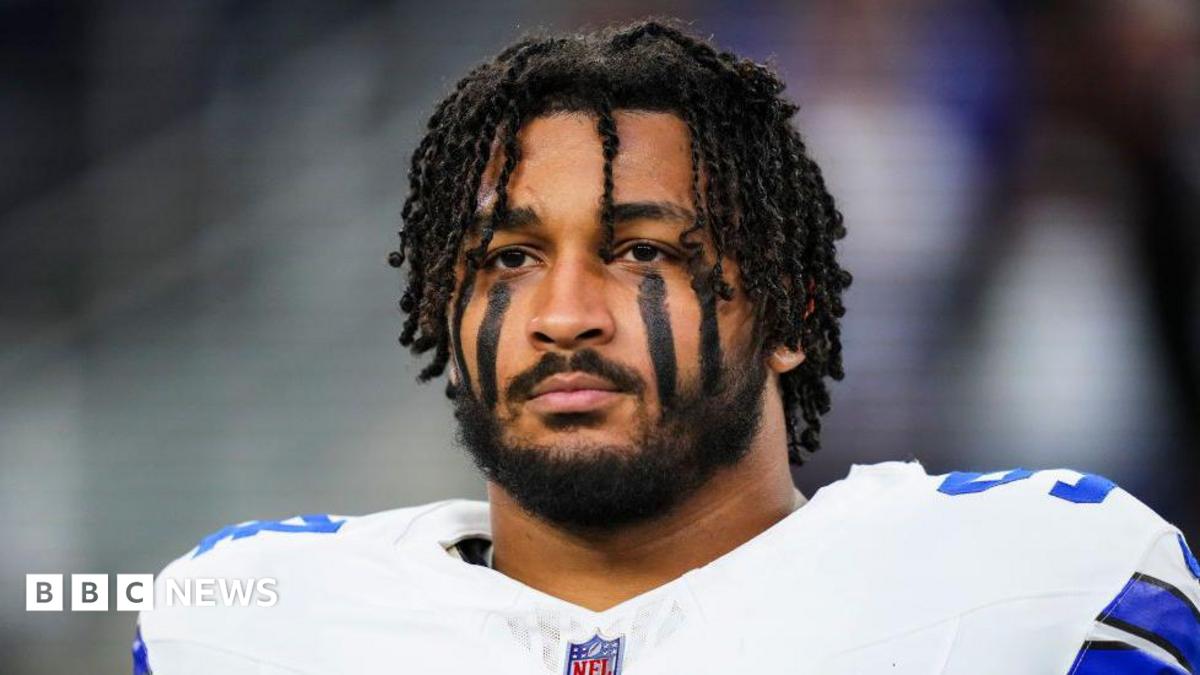
The post-mortem diagnosis of chronic traumatic encephalopathy (CTE) in former professional football players continues to be a central focus of sports medicine and athlete welfare research. Recent findings regarding the brain health of former Dallas Cowboys players who died by suicide have underscored the long-term neurological risks associated with repetitive head impacts in the National Football League (NFL).
CTE is a degenerative brain disease characterized by the buildup of an abnormal protein called tau, which kills brain cells. According to the Boston University CTE Center, the condition can only be definitively diagnosed after death through an examination of brain tissue. The disease has been identified in hundreds of former NFL players, sparking ongoing debate regarding league safety protocols, equipment standards, and the long-term physiological toll of professional contact sports.
Clinical Understanding of CTE in Professional Athletes
Chronic traumatic encephalopathy is distinct from other neurodegenerative conditions like Alzheimer’s disease. While the primary cause is repetitive head trauma—including both concussions and sub-concussive hits that do not result in immediate symptoms—the clinical presentation can vary significantly. Symptoms often reported by families of deceased players include mood swings, depression, memory loss, and impulse control issues. The National Institute of Neurological Disorders and Stroke notes that these symptoms often emerge years or even decades after an athlete has retired from contact sports.

The prevalence of the disease among former players has been documented in several high-profile studies. A landmark study published in the Journal of the American Medical Association (JAMA) in 2017 analyzed the brains of 202 deceased football players and found that 177 of them, or 87%, had evidence of CTE. Among the subgroup of 111 former NFL players, 110 were found to have the disease. This data provided a quantitative basis for the widespread concern regarding the long-term neurological health of those who participate in high-impact professional football.
League Response and Safety Measures
In response to the growing body of evidence linking football to neurodegenerative disease, the NFL has implemented several changes to its game-day operations and practice structures over the past decade. These measures include the adoption of the Concussion Protocol, which mandates independent neurological assessments for players who show signs of head injury. Additionally, the league has moved to ban specific high-risk tackling techniques, such as the “hip-drop” tackle, and has invested in the development of position-specific helmets designed to better mitigate rotational forces during impact.
Despite these efforts, the league faces continued scrutiny from player advocacy groups and families of deceased athletes. Legal settlements, such as the NFL Concussion Settlement Program, have provided financial compensation to thousands of former players suffering from neurocognitive impairments. However, the discovery of CTE in younger, shorter-tenured players continues to challenge the assumption that the risks are limited to those with extensive, multi-decade careers.
The Path Forward for Athlete Health
The medical community is currently focused on developing methods to identify CTE in living patients. Currently, there is no FDA-approved test to diagnose the disease during life, though research into biomarkers—proteins or other substances in the blood or spinal fluid—is ongoing. Organizations like the Concussion Legacy Foundation continue to advocate for increased transparency and funding for research that could lead to early intervention strategies for current players.

For families impacted by these diagnoses, the journey often involves navigating complex mental health challenges that are frequently exacerbated by the underlying physical damage to the brain. The intersection of mental health crises and neurodegenerative disease remains a difficult, yet critical, area of public health. As research continues to refine our understanding of how sub-concussive hits contribute to long-term pathology, the sports world faces a persistent need to balance the entertainment value of the game with the fundamental protection of its participants.
The next major checkpoint for league-wide safety policy will arrive during the upcoming NFL Competition Committee meetings, where officials are expected to review the effectiveness of current tackling rules and injury-prevention technology. Updates regarding these policy reviews will be posted on official NFL league communications as they become available. We encourage our readers to share their thoughts on the evolution of player safety in the comments section below.