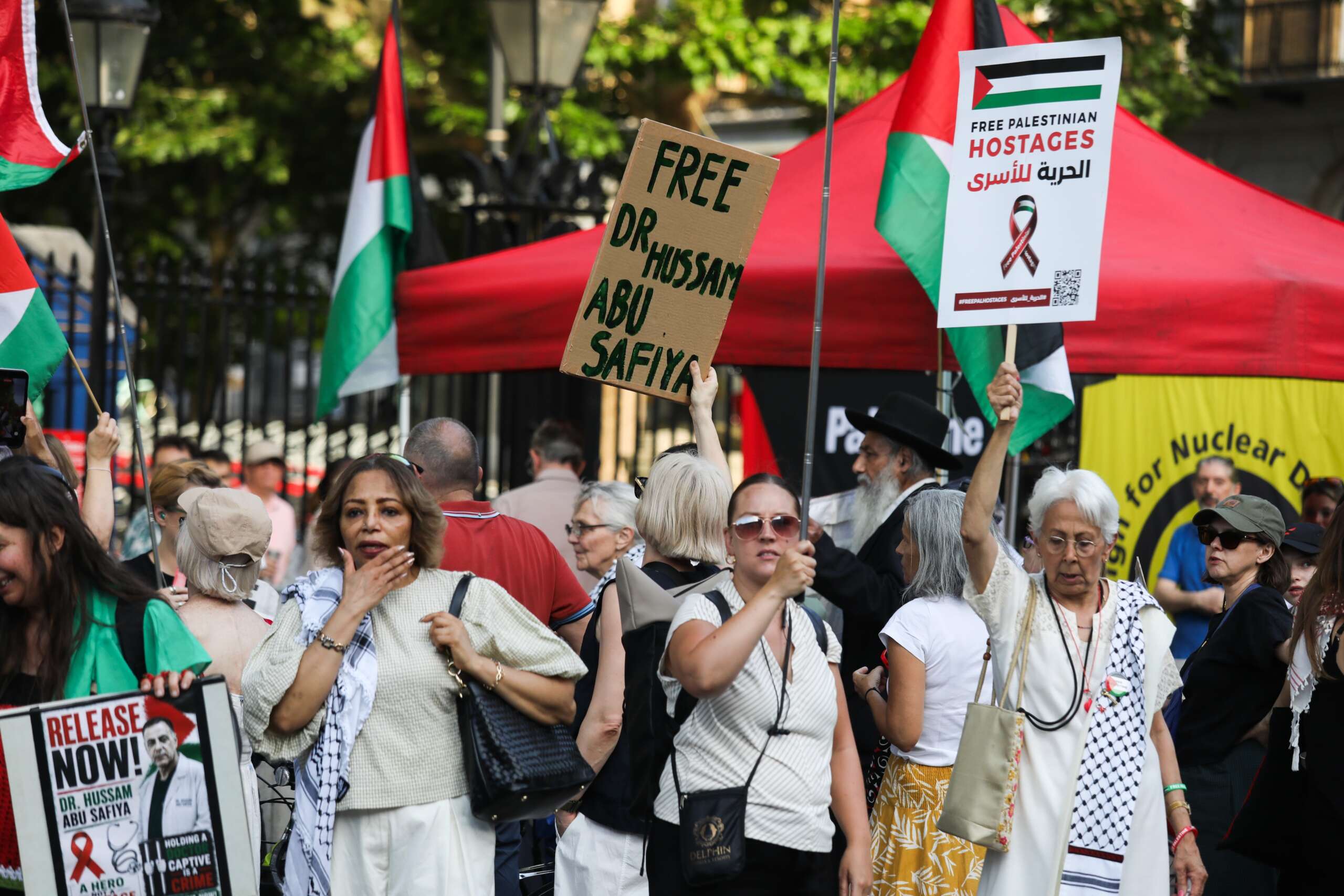
Dr. Hussam Abu Safiya, the director of Kamal Adwan Hospital in northern Gaza, appeared via video link before the Israeli Supreme Court on June 10, 2024, appearing visibly emaciated with his hands and feet bound. Former detainees released from Israeli custody have since reported seeing the physician subjected to torture during his detention, according to reports from human rights advocates and legal representatives.
Abu Safiya has been held by Israeli forces since November 2023, when he was detained during military operations in northern Gaza. He remains in custody without formal charges, a status that has prompted a legal challenge filed by his attorneys to the Israeli high court seeking his release or a clear explanation of his legal standing.
The case highlights the broader detention of medical personnel in Gaza. According to the World Health Organization (WHO), numerous healthcare workers have been detained during the conflict, with international bodies repeatedly calling for their immediate release and the protection of medical facilities under international humanitarian law.
June 10 Supreme Court Appearance and Physical Condition
During the June 10 hearing, the Israeli Supreme Court viewed Dr. Abu Safiya via a video feed. Those observing the proceedings described the doctor as gaunt and severely underweight. Reports indicate his limbs were bound during the appearance, a detail that his legal team has cited as evidence of inhumane treatment and unnecessary restraint.

The petition brought before the court argues that Abu Safiya is being held in “administrative detention,” a practice where the Israeli military can hold suspects without charge or trial based on secret evidence. His lawyers contend that there is no legal justification for his continued detention and that his physical deterioration is a direct result of the conditions in which he is being held.
The Israeli military has not provided a public detailed response to the specific allegations regarding Abu Safiya’s physical state, though it generally maintains that detainees are treated according to law and security protocols. The court’s review of the case focuses on whether the security justifications for his detention outweigh the humanitarian concerns raised by his defense.
Testimonies of Torture from Released Detainees
Information regarding the treatment of Dr. Abu Safiya has emerged primarily through the testimonies of Palestinian detainees who were released from the same facility. These individuals have reported witnessing the hospital director being subjected to physical abuse and psychological pressure.
According to reports cited by human rights monitors, released prisoners described seeing Abu Safiya in states of distress, alleging that he was forced into stress positions and subjected to beatings. These accounts align with broader reports from organizations such as Human Rights Watch, which has documented systemic abuse and torture of Palestinian detainees in Israeli facilities during the current conflict.
The reports from former detainees suggest that the abuse was not isolated but part of an interrogation process aimed at extracting information regarding the administration of Kamal Adwan Hospital and the movement of personnel in northern Gaza. These claims have been integrated into the legal arguments presented to the Supreme Court to illustrate a pattern of mistreatment.
Impact on Kamal Adwan Hospital and Northern Gaza Healthcare
The detention of Dr. Abu Safiya occurred amidst a systemic collapse of the healthcare infrastructure in northern Gaza. As the director of Kamal Adwan Hospital, Abu Safiya managed one of the few remaining functional medical centers in the region during intense military activity.

Kamal Adwan Hospital has been the site of multiple raids by the Israel Defense Forces (IDF). According to the World Health Organization, the hospital has faced severe shortages of fuel, medicine, and staff, with military operations frequently disrupting the delivery of critical care to thousands of civilians in the north.
The removal of the hospital’s director and other senior medical staff has left the facility under immense operational strain. Health officials in Gaza report that the loss of leadership at Kamal Adwan has hindered the coordination of emergency services and the management of mass casualty events, further exacerbating the humanitarian crisis in the enclave.
Legal Status and International Humanitarian Law
The detention of medical personnel during armed conflict is governed by the Geneva Conventions, which mandate that medical staff be respected and protected. The lack of formal charges against Dr. Abu Safiya places his case within the contentious framework of administrative detention.

Under Israeli law, administrative detention allows the state to hold individuals for renewable six-month periods without trial. Human rights organizations argue that this mechanism is frequently misused to bypass due process. In the case of Abu Safiya, the absence of a trial means the evidence against him remains classified, preventing his defense from effectively challenging the claims.
The International Committee of the Red Cross (ICRC) typically seeks access to all detainees to monitor their treatment and facilitate communication with families. However, access to many Gazan detainees has been restricted or inconsistent, complicating the verification of the health status of prisoners like Abu Safiya.
The case is now awaiting a further ruling from the Israeli Supreme Court. The court must decide whether to order the military to reveal the evidence justifying the detention or to mandate Abu Safiya’s release based on his deteriorating health and the lack of a formal indictment.
The next scheduled update on this case is expected following the court’s review of the military’s response to the petition regarding his physical condition and the legality of his continued detention.