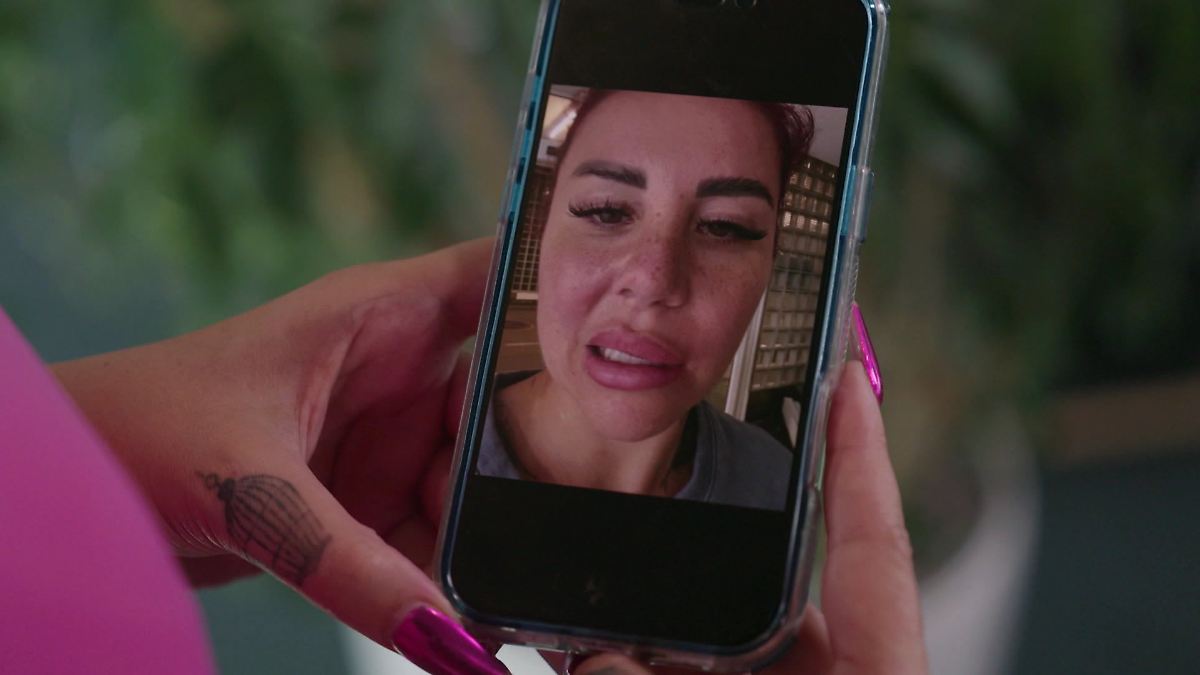
TV personality Kater Merlan has reported sudden facial paralysis following exposure to strong drafts and air conditioning at a festival. While her treating physician suspects the temperature drop and airflow triggered the condition, medical consensus generally attributes such paralysis, known as Bell’s palsy, to viral inflammation of the seventh cranial nerve.
Merlan shared the experience via social media, describing how one side of her face became immobile. The incident occurred after she was exposed to intense “Zugluft”—a German term for cold drafts—during a festival event. According to reports on the incident, a physician indicated that the air conditioning may have played a role in the onset of the paralysis.
The condition, which causes sudden weakness or paralysis of the muscles on one side of the face, often mimics a stroke but is distinct in its pathology. For patients like Merlan, the sudden loss of muscle control can affect the ability to close an eye, smile, or speak clearly. Medical professionals categorize this as an acute peripheral facial nerve palsy.
The Medical Mechanism of Bell’s Palsy
Bell’s palsy occurs when the seventh cranial nerve, which controls the muscles of the face, becomes inflamed and compressed. According to the Mayo Clinic, this inflammation causes the nerve to swell within its narrow bony canal, blocking the signals from the brain to the facial muscles.
While the exact cause is often idiopathic—meaning it arises without a known cause—most clinicians link the inflammation to a reactivation of dormant viruses. Common culprits include the herpes simplex virus (which causes cold sores) or the varicella-zoster virus (which causes chickenpox and shingles). When these viruses reactivate, they can attack the nerve sheath, leading to the characteristic drooping of the face.
The timing of Merlan’s symptoms following exposure to air conditioning aligns with a common clinical observation: illness or physical stress can trigger the viral reactivation. In this context, extreme temperature shifts or cold drafts may act as a physiological stressor rather than the primary cause of the nerve damage.
Cold Drafts vs. Viral Triggers: The Science of ‘Zugluft’
The belief that “Zugluft” or direct cold air can cause facial paralysis is a long-standing cultural perception in several European regions. However, current medical literature does not support the idea that cold air alone can paralyze a facial nerve in a healthy individual.
According to the NHS, the primary drivers are viral infections. The correlation between cold weather and Bell’s palsy is often attributed to the fact that viral infections are more prevalent during colder months, or that cold exposure weakens the local immune response, allowing a latent virus to emerge.
In Merlan’s case, the physician’s suspicion of air conditioning reflects a common diagnostic pathway where environmental triggers are noted, even if the underlying mechanism is viral. For the patient, the experience remains the same: a sudden loss of symmetry and function that requires immediate medical intervention to ensure the best possible recovery outcome.
Diagnosis and Standard Treatment Protocols
Diagnosis for facial paralysis typically involves a physical examination and a review of medical history to rule out other causes, such as a stroke or Lyme disease. Because stroke symptoms usually involve other neurological deficits—such as weakness in the arm or leg—the isolation of symptoms to the facial muscles often points toward Bell’s palsy.
Treatment generally follows a standardized timeline to reduce nerve inflammation as quickly as possible:
- Corticosteroids: Doctors often prescribe oral steroids (such as prednisone) within the first 72 hours of symptom onset to reduce swelling of the facial nerve.
- Antiviral Medications: In some cases, antivirals are prescribed alongside steroids if a viral cause is strongly suspected.
- Eye Protection: Because the eyelid may not close fully, patients are advised to use lubricating eye drops and patches to prevent the cornea from drying out.
- Physical Therapy: Facial exercises and physiotherapy are used to maintain muscle tone and prevent permanent contractures during the healing process.
Recovery Timelines and Long-term Outlook
The prognosis for Bell’s palsy is generally positive. A majority of patients experience a full recovery, although the timeline varies significantly based on the severity of the nerve inflammation. Some individuals notice improvement within a few weeks, while others may take several months for the nerve to regenerate.
In some instances, incomplete recovery can lead to synkinesis. This occurs when the nerve fibers regrow incorrectly, causing “miswired” muscle movements—for example, the eye may close involuntarily when the person tries to smile. This is why early intervention with steroids and subsequent physical therapy is critical to guide the nerve’s regeneration.
For public figures like Merlan, the visibility of the condition adds a layer of psychological stress to the physical recovery. However, the medical community emphasizes that with prompt treatment, the functional restoration of the face is highly likely.
Medical professionals continue to monitor cases of acute facial palsy to better understand the interaction between environmental stressors and viral triggers. Those experiencing sudden facial drooping are urged to seek emergency medical care immediately to differentiate between Bell’s palsy and more critical neurological events.
Further updates on Kater Merlan’s recovery are expected as she continues her treatment and physiotherapy. Readers are encouraged to share their experiences with recovery or ask questions in the comments below.