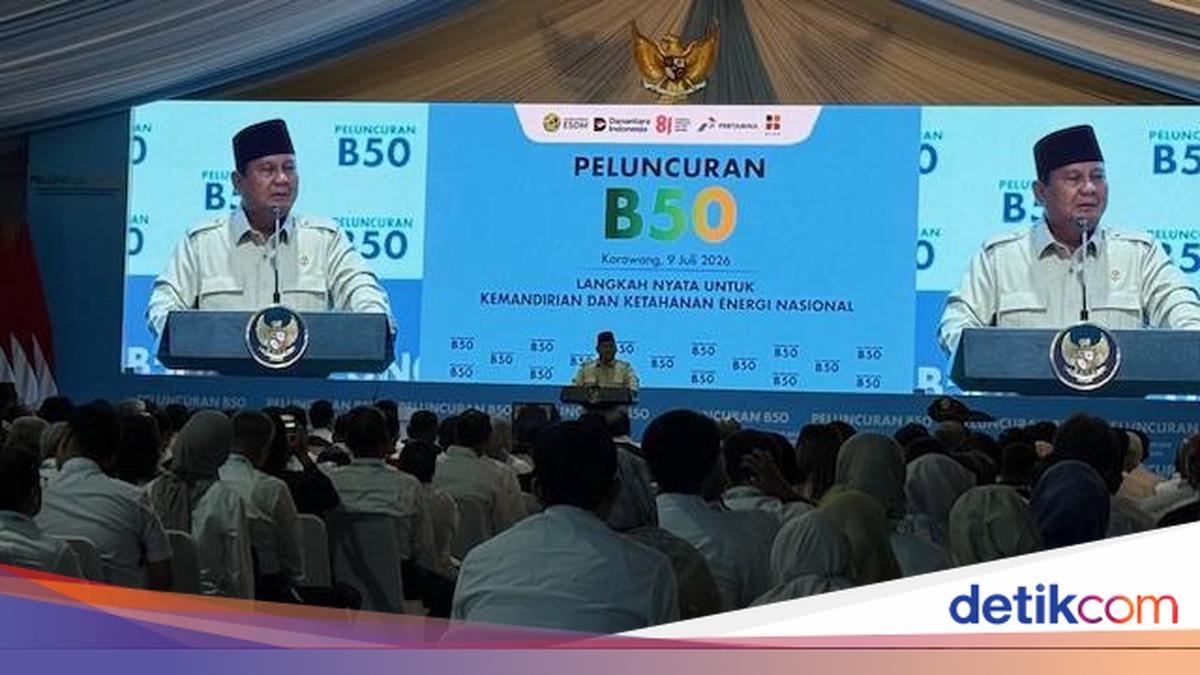
Indonesia has officially launched its B50 biodiesel program, a fuel blend consisting of biodiesel derived from palm oil and diesel. President Prabowo Subianto announced the initiative, positioning Indonesia as the first country globally to implement such a high-blend mandate. The move is designed to reduce the nation’s reliance on imported fossil fuels and strengthen domestic energy independence by leveraging the country’s extensive palm oil production capabilities.
The transition to B50 represents a significant scaling of Indonesia’s existing biofuel roadmap. Previously, the government had successfully implemented the B35 program, which mandated a palm oil blend. The increase to B50 is framed by the current administration as a cornerstone of national economic policy, aimed at decreasing the trade deficit caused by crude oil imports and supporting local agricultural sectors. According to official government statements regarding the energy transition, the state-owned energy company Pertamina has been tasked with managing the technical rollout and distribution infrastructure necessary to support the higher-blend fuel across the archipelago.
Strategic Drivers for Energy Independence
The shift to B50 is part of a broader push to insulate the Indonesian economy from global oil price volatility. By increasing the mandatory palm oil content in diesel, the government intends to circulate domestic capital within the domestic palm oil supply chain rather than sending foreign exchange reserves abroad for fuel imports. The Ministry of Energy and Mineral Resources (ESDM) has highlighted that this policy is technically feasible given the nation’s current production capacity for palm oil derivatives.

Technical readiness remains a primary focus for the rollout. Automotive industry stakeholders and engine manufacturers have been engaged in testing the compatibility of vehicle fleets with higher concentrations of biodiesel. While the B35 program encountered initial concerns regarding fuel filter clogging and engine performance in older diesel models, the government reports that improvements in fuel quality standards—specifically regarding water content and impurities—are being strictly enforced to accommodate the B50 standard. The Ministry of Energy and Mineral Resources maintains regular updates on technical specifications and fleet compatibility via their official ESDM portal.
Economic Impact and Agricultural Integration
Beyond energy security, the B50 program serves as a price-stabilization mechanism for the palm oil industry. By creating a guaranteed domestic demand for crude palm oil (CPO), the government aims to protect smallholder farmers from the fluctuations of the international commodity market. Analysts note that this effectively creates a floor for CPO prices, ensuring that a significant portion of the harvest is absorbed by the domestic energy sector.

The program also carries implications for the national budget. By substituting imported diesel with domestically produced biofuel, the government expects a reduction in fuel subsidies—an area that has historically strained the national fiscal balance. However, the exact fiscal impact depends on the spread between the international price of crude oil and the domestic production cost of biodiesel. The government’s fiscal planning is outlined in the Ministry of Finance’s annual budget reports, which track the subsidy burden associated with energy consumption.
Infrastructure and Distribution Logistics
The physical integration of B50 into the market requires significant upgrades to terminal storage and blending facilities. Pertamina has been upgrading its fuel terminals to ensure that the blending process remains consistent across different regions. This logistics challenge is complicated by the geographic distribution of Indonesia, necessitating a robust supply chain that connects palm oil refineries in Sumatra and Kalimantan to fuel depots serving the rest of the country.
The government has emphasized that the implementation will be phased to ensure that fuel supplies remain stable during the transition period. Stakeholders are encouraged to monitor the latest regulatory updates through the Pertamina corporate communications channel, which provides information on fuel availability and technical specifications for commercial and industrial consumers.
Next Steps in the Energy Transition
Following the official launch, the government is expected to monitor the B50 performance in the field before considering further increases in the blend ratio. The next major checkpoint will be the release of quarterly performance data by the Ministry of Energy and Mineral Resources, which will assess the volume of diesel imports avoided and the stability of the fuel supply. Industry participants and the public should look for official announcements regarding the expansion of distribution points and any updated guidelines for vehicle maintenance for diesel engines using the new blend. We welcome your insights and perspectives on the economic implications of this energy policy in the comments section below.
