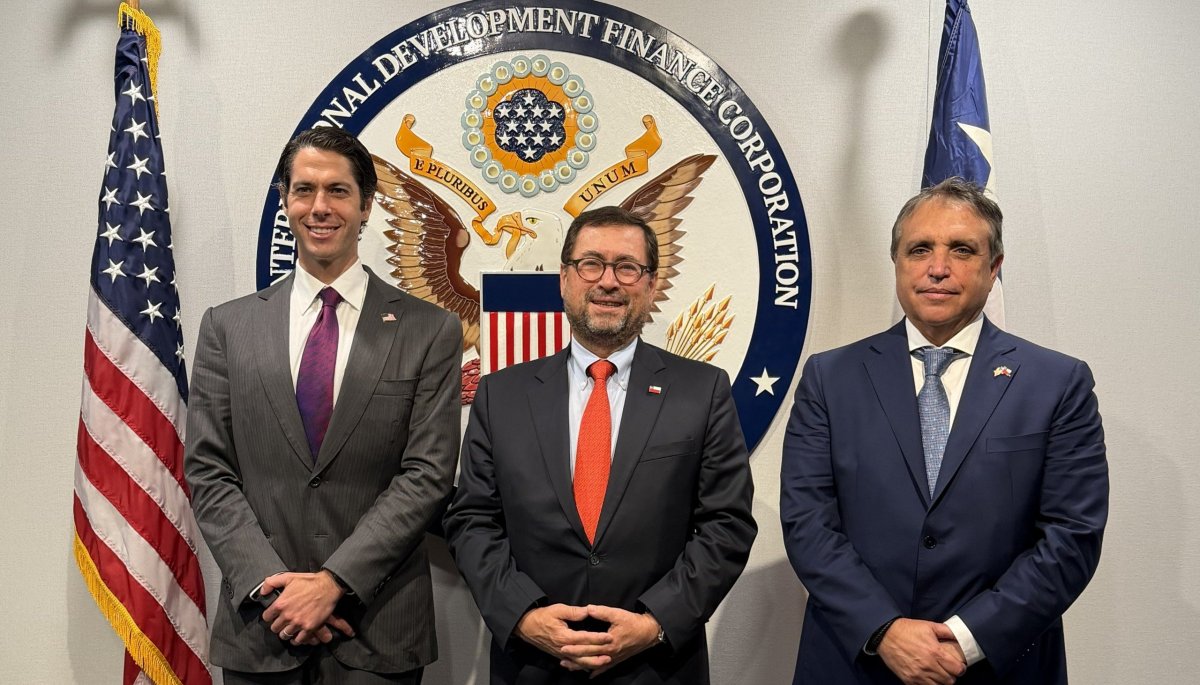
Chilean officials are intensifying efforts to attract foreign capital by engaging directly with the U.S. International Development Finance Corporation (DFC), a federal agency tasked with financing private sector projects in developing markets. The diplomatic push aims to deepen bilateral economic ties and secure support for infrastructure and energy initiatives that align with U.S. development goals in Latin America.
The U.S. International Development Finance Corporation (DFC) operates as the primary development finance institution for the United States government. According to the agency’s official mandate, it provides debt financing, equity investments, political risk insurance, and technical assistance to support projects that advance U.S. foreign policy and national security interests while fostering economic growth in emerging economies. In the context of Chile, this partnership focuses on mobilizing private capital to address critical gaps in sustainable development, energy transition, and infrastructure modernization.
Strategic Alignment with U.S. Development Finance
The recent engagement between Chilean representatives and DFC leadership highlights a strategic shift toward leveraging U.S. institutional support for large-scale domestic projects. The DFC, which replaced the Overseas Private Investment Corporation (OPIC) in 2019 following the passage of the BUILD Act, has increasingly prioritized investments in the Americas to counter regional economic instability and influence. For Chile, securing DFC involvement provides a mechanism to de-risk projects, making them more attractive to private institutional investors.
The agency’s investment criteria require that projects demonstrate both developmental impact and financial viability. For Chilean stakeholders, the focus remains on sectors where the DFC has historically shown interest: renewable energy infrastructure, digital connectivity, and supply chain diversification. By aligning local development objectives with the DFC’s thematic priorities—which emphasize climate resilience and inclusive growth—Chile seeks to broaden its access to international credit markets.
Economic Context and Investment Climate
Chile’s economy, while historically resilient, continues to navigate the challenges of global price volatility and the need for significant capital expenditure in the green energy sector. The government’s outreach to the DFC is part of a broader strategy to diversify its sources of foreign direct investment (FDI). According to data from the Chilean Ministry of Foreign Affairs, strengthening institutional relationships with U.S. agencies is a priority for stabilizing long-term investment flows and ensuring that public-private partnerships remain competitive.

The DFC’s role is distinct from traditional aid; it functions as a commercial-grade financier. Its involvement often acts as a catalyst for other private sector lenders, providing a “stamp of approval” that can lower the cost of capital for complex infrastructure projects. As Chile pushes to meet its ambitious 2050 carbon neutrality goals, the influx of international development finance is expected to play a critical role in funding the necessary transition of the energy grid and the expansion of mineral processing facilities.
Operational Framework for Future Projects
Moving forward, the success of these diplomatic engagements will be measured by the formal submission and approval of specific project pipelines. The DFC typically evaluates proposals based on their ability to generate measurable development outcomes, such as job creation, infrastructure improvement, or the advancement of democratic governance. For Chilean firms and state agencies, the process involves rigorous due diligence and alignment with U.S. transparency standards.

Stakeholders monitoring these developments should look for updates from the official DFC project tracker, which lists active and approved investments globally. Future progress will likely hinge on the ability of both nations to harmonize regulatory frameworks, particularly in the energy and technology sectors. As discussions continue, official updates regarding potential project milestones or bilateral agreements will be released through the respective foreign affairs and trade offices of both governments.
This engagement remains in the preliminary stages of diplomatic coordination. Interested parties can monitor the official progress of these initiatives through the U.S. International Development Finance Corporation’s public disclosure portal. We invite our readers to share their perspectives on the role of international development agencies in shaping national economic policy in the comments section below.