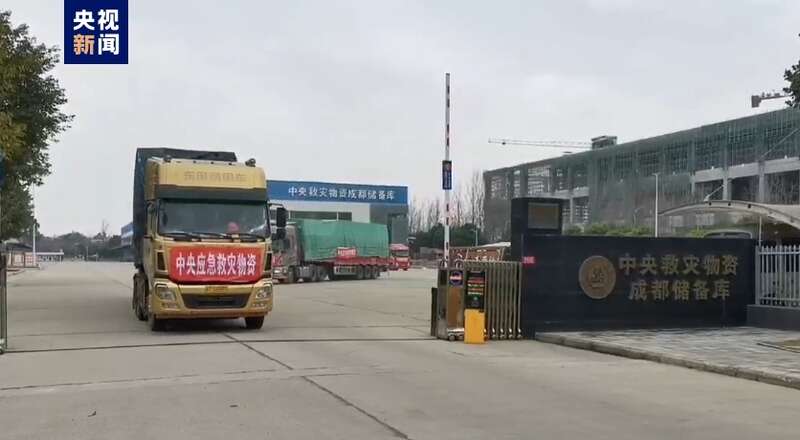
Chinese government agencies have mobilized 50,000 units of emergency relief supplies to support provinces in the path of recent severe weather, specifically targeting the relocation and temporary housing of residents in Zhejiang and Fujian. The deployment, coordinated by central authorities, aims to bolster local disaster response efforts as coastal regions face significant risks from heavy rainfall and potential flooding.
According to the Ministry of Emergency Management, the allocation includes essential items such as folding beds, quilts, and emergency lighting equipment intended to ensure the basic living needs of displaced populations. These supplies are being drawn from central reserves to supplement provincial inventories, which are often stretched during peak typhoon and monsoon periods.
The decision to dispatch these resources follows a multi-departmental assessment of the meteorological conditions affecting the southeastern coast. Officials emphasize that the primary objective is the proactive relocation of individuals from high-risk zones, including low-lying areas, mountainous regions susceptible to landslides, and older residential structures that may not withstand intense wind and water pressure.
Logistics and Deployment of Emergency Supplies
The emergency relief package is part of a broader national framework for disaster mitigation and response. By providing 50,000 units of equipment, the central government aims to reduce the logistical burden on local governments, allowing provincial authorities in Zhejiang and Fujian to focus resources on civil engineering safety, such as dam monitoring and levee reinforcement. This logistical support is governed by the national Law of the People’s Republic of China on Emergency Response, which mandates coordination between different levels of government during natural disasters.
The supplies were dispatched to regional centers capable of rapid distribution to the most affected counties and townships. In Fujian, provincial authorities have initiated “level-two” emergency response protocols, which trigger strict requirements for the evacuation of vessels and the closure of coastal tourism sites. Zhejiang, similarly, has activated its disaster risk management systems to monitor reservoir water levels and soil moisture content.
Supporting Vulnerable Populations in Coastal Provinces
The displacement of residents is a critical component of China’s “pre-disaster prevention” strategy. Rather than waiting for infrastructure failure, provincial governments prioritize the movement of elderly residents and those living in makeshift housing to designated shelters, such as schools, public community centers, or government-managed emergency hubs. These facilities are required to provide clean water, food, and medical oversight.
According to data released by the China Meteorological Administration, the atmospheric conditions in the region have been characterized by high humidity and sustained precipitation, increasing the probability of geological disasters. The relief supplies are specifically selected for their durability and ease of transport in rugged terrain, which is vital for reaching remote villages where road access may be compromised by mudslides.
Coordination Between National and Local Agencies
The operation is being managed by the Ministry of Emergency Management in conjunction with the National Food and Strategic Reserves Administration. This inter-agency model ensures that supplies are not just stored, but are actively tracked and replenished based on real-time disaster demand. By centralizing the procurement and distribution of these 50,000 items, the state ensures a standardized quality of care for displaced citizens, preventing disparities in support between different municipalities.
The effectiveness of these deployments is reviewed after each major weather event. Following the conclusion of the immediate threat, local governments are responsible for the systematic return of residents to their homes once safety inspections have been conducted by local construction and civil engineering authorities. This process involves verifying that electrical lines are safe and that water sources have not been contaminated by flood runoff.
Next Steps for Disaster Response and Monitoring
The current situation remains dynamic. The China Meteorological Administration continues to issue updated warnings regarding regional precipitation trends. Provincial authorities in Zhejiang and Fujian are scheduled to hold daily briefings to evaluate the status of relocated residents and the structural integrity of emergency shelters. Monitoring of river basins will continue until the precipitation levels fall below the established threshold for flood risk.
Citizens in the affected provinces are encouraged to follow official channels for updates and to adhere to evacuation orders issued by local community committees. Further information on disaster preparedness and safety guidelines can be found through the official portal of the Ministry of Emergency Management. As the situation develops, we will continue to monitor the status of recovery efforts and provide updates on the impact of these relief measures.
Have you been affected by recent weather developments in East China? Share your observations or experiences in the comments section below to contribute to our ongoing coverage of regional disaster management.